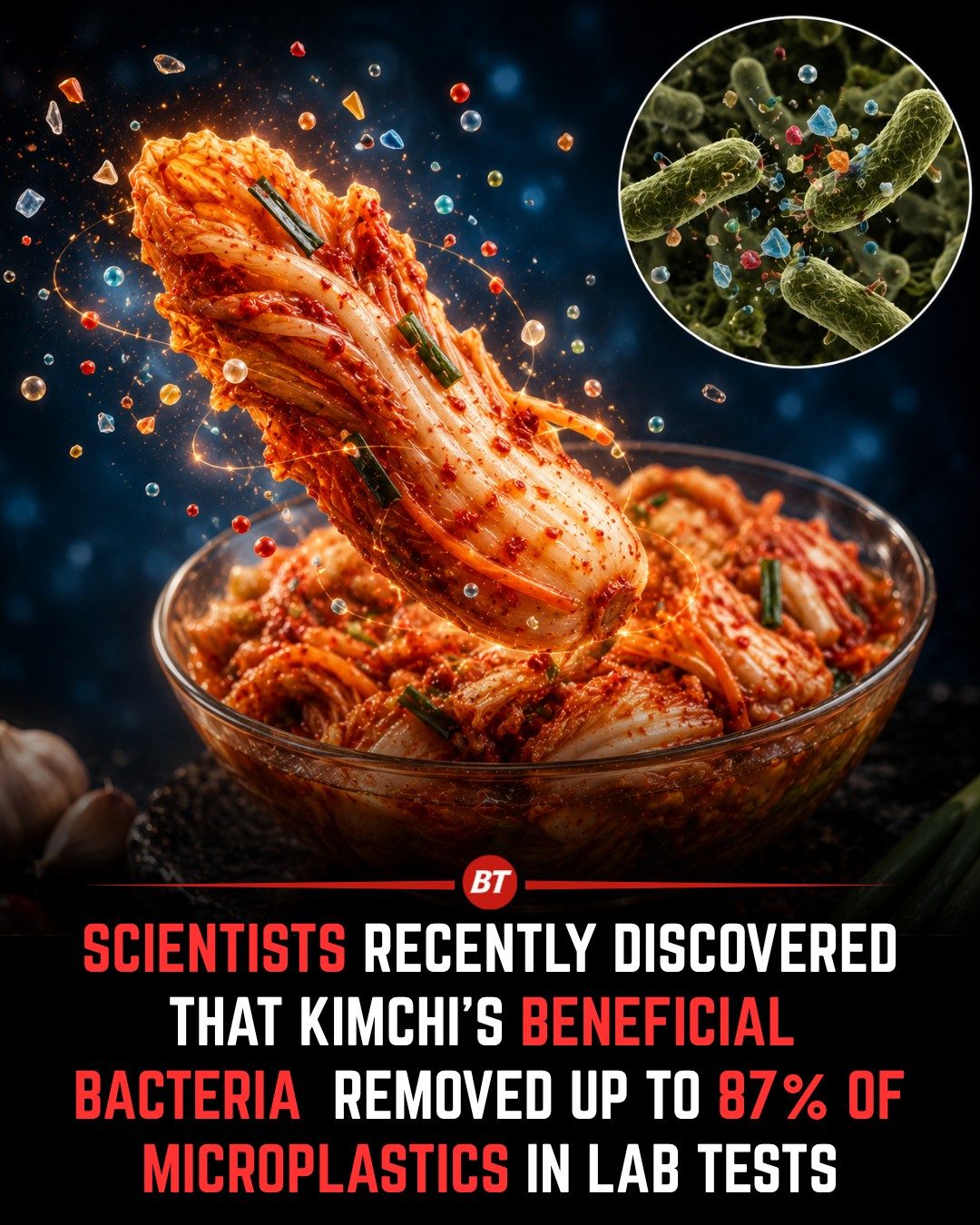
Kimchi and Microplastics
Kimchi, a traditional Korean dish, is famous for its health benefits due to its high concentration of probiotics. Recent research now adds another dimension to its benefits: the ability to remove microplastics.
Context / Why this matters
Microplastics, tiny plastic particles less than 5 millimeters in size, are a growing environmental and health concern. They are found in various food sources, including seafood, tap water, and even the air we breathe. These microscopic pollutants can accumulate in the human body, potentially causing harm. Understanding how to mitigate their presence is crucial for maintaining overall health.
Main discussion
The Science Behind Kimchi and Microplastics
Scientists recently discovered that certain beneficial bacteria commonly found in kimchi can remove up to 87% of microplastic particles in laboratory experiments. The study highlights a key aspect of kimchi's probiotic properties: its ability to bind to and help remove microplastics.
Kimchi is naturally fermented by lactic acid bacteria, including species of Lactobacillus and Leuconostoc. These bacteria have long been studied for their role in supporting gut health, digestion, and immune function. The new research opens an exciting area of investigation into how our gut microbes may interact with these tiny plastic contaminants.
In laboratory studies, some strains of these bacteria attached to microplastic particles, reducing the amount of free plastic in the test environment. Scientists believe the bacteria may trap the particles on their cell surfaces, making them easier to separate. However, it's important to note that these experiments were conducted in a controlled lab setting, not inside the human digestive tract.
The Role of Probiotics
The beneficial microbes in kimchi, specifically the probiotics, play a crucial role in this process. Probiotics are live microorganisms that, when administered in adequate amounts, confer a health benefit on the host. In the context of microplastics, these microbes have shown the potential to bind to and remove plastic particles from the environment.
The Process of Microplastic Removal
The ability of kimchi bacteria to remove microplastics involves a few key steps. First, the bacteria attach to the microplastic particles. This attachment is likely due to the adhesive properties of the bacterial cell surfaces. Once attached, the bacteria can trap the particles, making it easier to separate them from the surrounding environment. This process could potentially reduce the amount of microplastics in the digestive system, though more research is needed to confirm this effect in humans.
Practical tips
Here are some practical tips on how to incorporate kimchi into your diet for potential health benefits:
- Add Kimchi to Your Meals: Try adding a few spoonfuls of kimchi to rice bowls, eggs, grilled meats, soups, or salads. The tangy flavor can enhance the taste of various dishes.
- Check for Live Cultures: Choose unpasteurized kimchi with live active cultures whenever possible. Heat treatment after fermentation can reduce the number of beneficial bacteria, so opt for products that are labeled as containing live cultures.
- Variety in Fermented Foods: While kimchi is a great source of probiotics, consider incorporating other fermented foods into your diet as well. Examples include sauerkraut, kefir, and tempeh. Each of these foods offers a unique blend of beneficial bacteria.
Important takeaways
The discovery of kimchi's ability to remove microplastics is a promising area of research. While the findings are based on laboratory experiments, they suggest that the beneficial bacteria in kimchi may have a role in mitigating the effects of microplastics. However, it's important to approach this information with caution. More research, particularly larger human studies, is needed to determine whether regularly eating fermented foods meaningfully reduces microplastic exposure in people.
Conclusion
Kimchi is a nutritious fermented food that provides beneficial probiotics, fiber, vitamins, and antioxidant plant compounds. Its potential to remove microplastics adds another layer to its health benefits. Whether or not this newfound ability translates to human health benefits remains to be seen, but there's no doubt that incorporating kimchi into your diet can contribute to a balanced and healthy lifestyle.
Watch the Reel
Questions readers ask
How does kimchi help in fighting microplastics in the gut?
Kimchi contains probiotics, which are beneficial bacteria. These bacteria may help to remove microplastics from the gut by breaking them down or preventing them from accumulating. This process could help maintain a healthier gut environment.
What are microplastics and why are they a concern?
Microplastics are tiny plastic particles smaller than 5 millimeters. They are found in various food sources, including seafood, tap water, and even the air. Microplastics can accumulate in the human body and potentially cause harm, making them a significant health concern.
What are the benefits of consuming fermented foods like kimchi?
Fermented foods like kimchi are rich in beneficial bacteria that support gut health. These bacteria can improve digestion, boost the immune system, and may even help in removing harmful substances like microplastics. Regular consumption of fermented foods can contribute to a healthier gut microbiome.
Can other fermented foods also help in fighting microplastics?
While kimchi has shown promising results in fighting microplastics, other fermented foods with similar probiotic profiles, such as sauerkraut, kefir, or yogurt, might also offer benefits. However, more research is needed to confirm the exact effects of these foods on microplastic removal.
How do microplastics enter the human body?
Microplastics enter the human body through various pathways, including the consumption of contaminated food and water, inhalation of airborne particles, and even through the use of certain personal care products. Their ubiquitous presence makes it challenging to avoid them entirely.
Related deep dives
Similar reads based on topic and creator.




Recent articles
Fresh deep dives from the latest Reels we unpacked.




Comments
Be the first to comment.