Kimchi and Gut Health
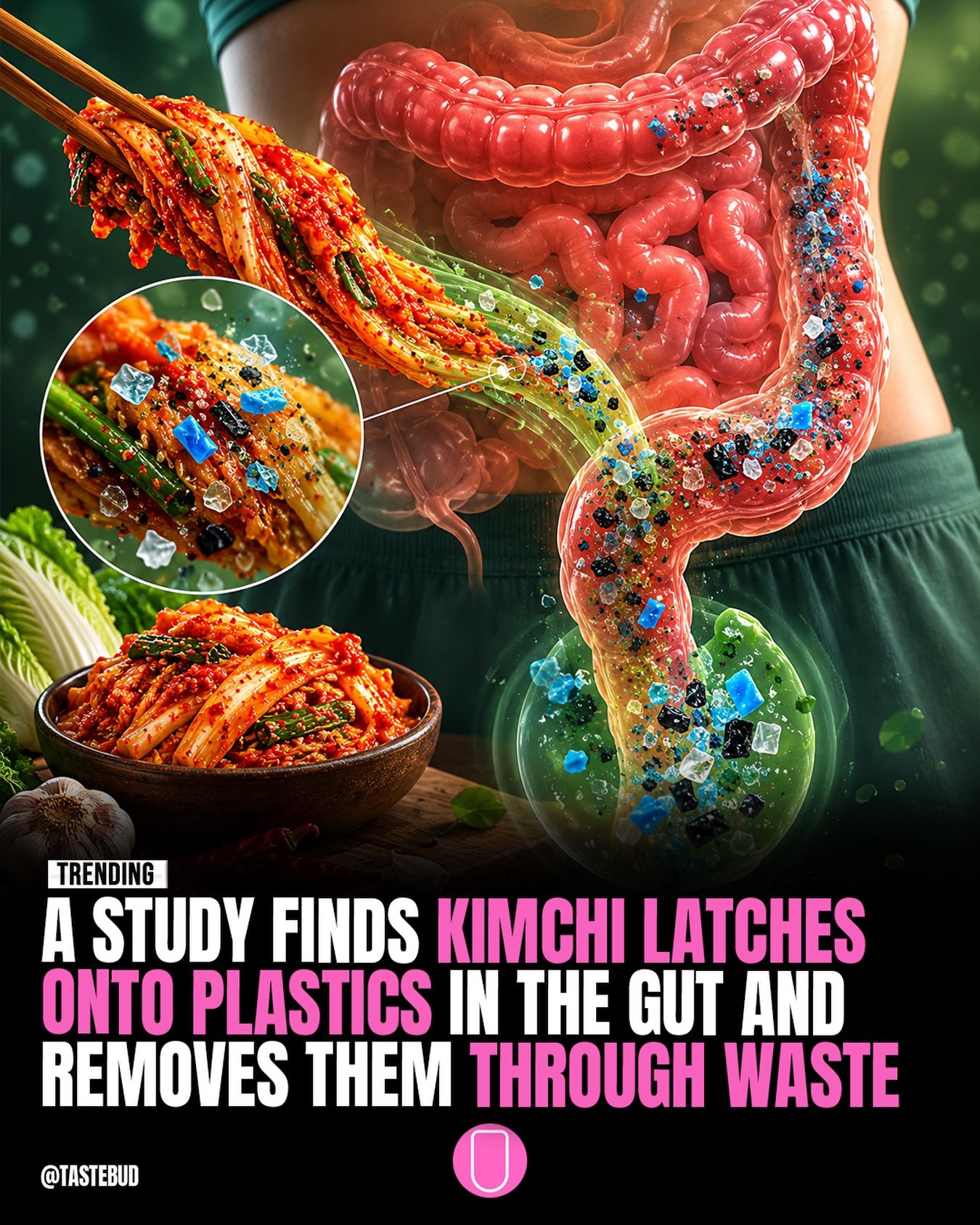
Most people are familiar with kimchi as a staple in Korean cuisine, but recent research has uncovered a surprising potential benefit: certain bacteria found in kimchi may help mitigate the presence of nanoplastics in the digestive system. This discovery opens up new avenues for understanding how our diet might influence our interaction with environmental pollutants.
Why This Matters
Plastic pollution is a growing concern, and nanoplastics—tiny particles of plastic—pose a significant risk due to their ability to enter the food chain and accumulate in the human body. These particles are so small that they can easily pass through biological barriers, making them a potential threat to health. Understanding how to reduce their absorption and increase their excretion could have broad implications for public health.
The Science Behind Kimchi and Nanoplastics
The recent study that garnered attention involves a strain of lactic acid bacteria found in kimchi. In controlled lab settings, this strain showed a strong ability to bind to nanoplastics in simulated digestive environments. The study further explored this phenomenon in animal testing, where the probiotic helped increase the excretion of these particles, reducing the amount that remained in the body.
The Role of Lactic Acid Bacteria
Lactic acid bacteria are a common component in fermented foods, and kimchi is one of the richest sources. These bacteria are known for their probiotic properties, which means they can promote a healthy gut microbiome. The specific strain identified in the study has an additional benefit: it can bind to nanoplastics, effectively "latching onto" them and preventing them from being absorbed into the body.
Laboratory and Animal Testing
The study's findings are based on both in vitro (lab) and in vivo (animal) testing. In the lab, researchers simulated digestive conditions to observe how the bacteria interacted with nanoplastics. They found that the lactic acid bacteria could bind to these particles, making them easier to expel from the body. The animal testing further corroborated these findings, showing that the probiotic helped increase the excretion of nanoplastics.
Human Application
However, it's important to note that while the results are promising, they have only been observed in lab and animal studies so far. There is no confirmed evidence that eating regular kimchi provides the same effect in humans. The conditions in lab settings and animal models are carefully controlled and may not directly translate to human physiology. Further research is needed to understand how kimchi might impact nanoplastics in the human gut.
The Practical Implications
While the direct application of these findings to human health remains unconfirmed, the potential implications are significant. If future research validates these results, it could lead to new dietary recommendations or probiotic supplements designed to help the body deal with nanoplastics. Understanding how certain foods and bacteria interact with environmental pollutants could revolutionize our approach to diet and health.
Practical Tips
Although more research is needed, there are practical steps you can take based on current knowledge:
Incorporate Fermented Foods
Incorporating fermented foods like kimchi into your diet can promote a healthy gut microbiome. While the specific benefits related to nanoplastics are not yet confirmed, the overall health benefits of probiotics are well-documented.
Stay Informed
Keep an eye on developing research in this area. As more studies are conducted, we may gain a clearer understanding of how diet can influence our exposure to environmental pollutants.
Important Takeaways
- Certain bacteria in kimchi may help bind to nanoplastics in the digestive system, reducing their absorption.
- Lactic acid bacteria in kimchi show a strong binding ability to nanoplastics in controlled lab settings and animal testing.
- More research is needed to confirm these effects in humans.
- Incorporating fermented foods like kimchi into your diet can promote overall gut health.
Conclusion
Kimchi's potential to help mitigate the presence of nanoplastics in the digestive system is an exciting development. While more research is needed to confirm these effects in humans, the initial findings offer a promising avenue for understanding how our diet might influence our interaction with environmental pollutants. Regardless of the specific benefits related to nanoplastics, incorporating fermented foods like kimchi into your diet can support overall gut health.
Watch the Reel
Questions readers ask
What specific bacteria in kimchi is associated with reducing nanoplastics in the gut?
The specific strain of bacteria in kimchi that has shown potential in mitigating nanoplastics is a type of lactic acid bacteria, particularly Leuc. Lactis. These bacteria are commonly found in fermented foods like kimchi and have been studied for their beneficial effects on gut health.
How do nanoplastics enter the digestive system and accumulate in the body?
Nanoplastics can enter the digestive system through the ingestion of contaminated food and water. Their small size allows them to pass through biological barriers and accumulate in the human body, potentially leading to health issues. This is a growing concern as plastic pollution increases in the environment.
What makes kimchi a potential tool for addressing plastic pollution in human health?
Kimchi's unique bacterial composition, particularly the presence of lactic acid bacteria, may help break down or limit the absorption of nanoplastics in the digestive system. This could offer a dietary approach to mitigating the health risks associated with plastic pollution.
Can consuming kimchi help with the excretion of nanoplastics from the body?
Research suggests that the beneficial bacteria in kimchi may enhance the body's ability to excrete nanoplastics. By promoting a healthy gut environment, these bacteria could potentially reduce the accumulation of nanoplastics, thereby improving overall digestive health.
What are the benefits of including kimchi in a diet focused on gut health?
Including kimchi in your diet can support gut health by promoting the growth of beneficial bacteria. These bacteria not only aid in digestion but may also help to mitigate the presence of harmful substances, such as nanoplastics, in the digestive system.
How does the fermentation process in kimchi contribute to its potential benefits against nanoplastics?
The fermentation process in kimchi is crucial as it cultivates specific strains of bacteria, notably lactic acid bacteria. These bacteria are thought to play a key role in breaking down or limiting the absorption of nanoplastics, thereby reducing their impact on the digestive system.
What makes nanoplastics a significant concern for human health?
Nanoplastics are a significant concern because of their ability to enter the food chain and accumulate in the human body. Their small size allows them to pass through biological barriers, potentially causing harm to various organs and systems. Understanding how to reduce their absorption and increase their excretion is crucial for addressing the health risks they pose.
Related deep dives
Similar reads based on topic and creator.



Recent articles
Fresh deep dives from the latest Reels we unpacked.




Comments
Be the first to comment.