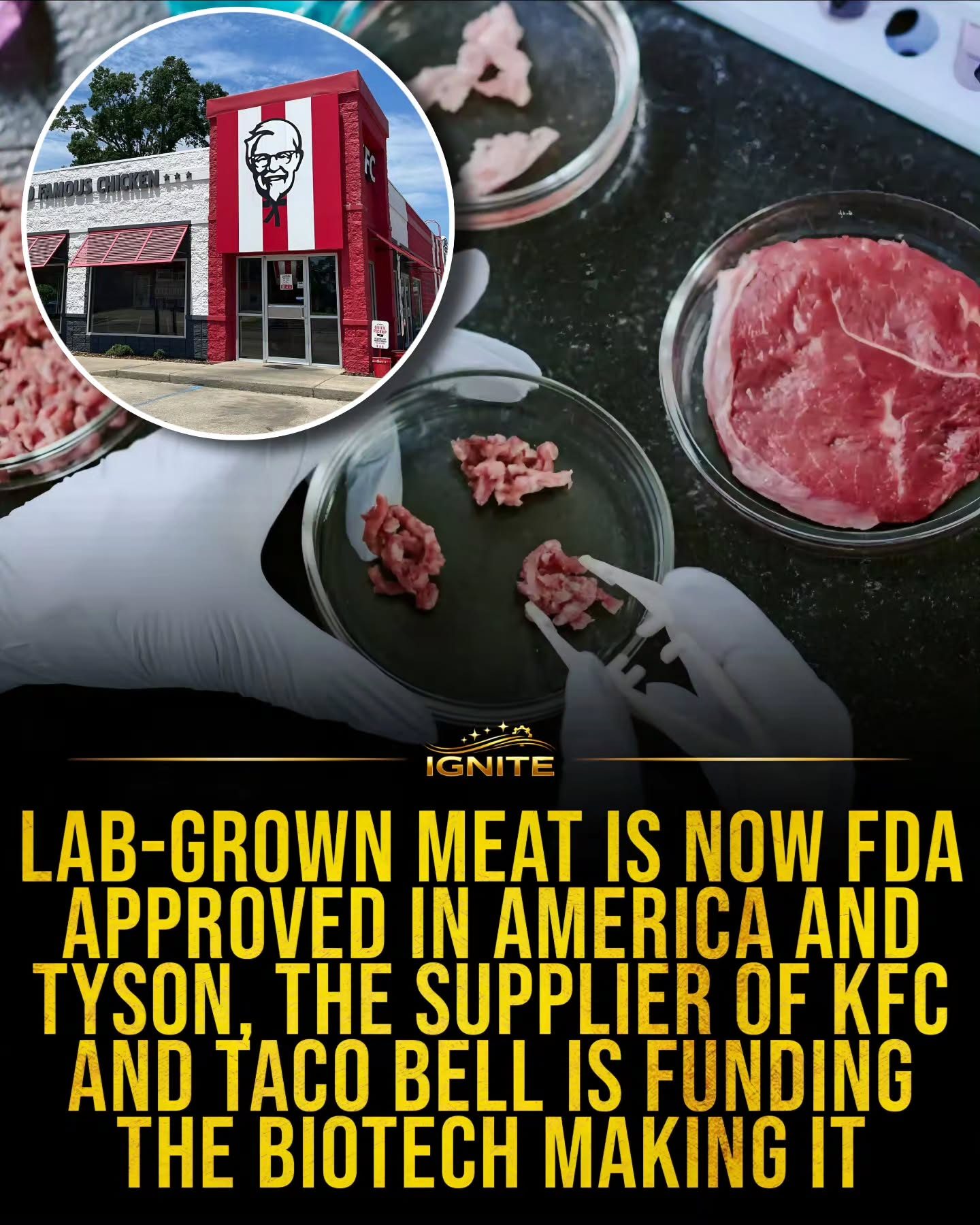
Lab-Grown Meat and Its FDA Approval in America
Lab-grown meat has recently made a significant leap forward with its FDA approval in America. This breakthrough marks a pivotal moment in the food industry, especially with major players like KFC and their supplier, Tyson, investing in the biotechnology behind this innovative product.
Context
Lab-grown meat, also known as cultured meat, is produced by in vitro cultivation of animal cells, rather than from slaughtered animals. This process involves taking muscle cells from a living animal and growing them in a nutrient-rich environment. The result is meat that is biologically identical to conventionally produced meat but without the ethical and environmental concerns associated with traditional farming.
The FDA Approval
The FDA approval of lab-grown meat in America is a landmark decision. It signifies that the regulatory bodies have deemed this product safe for consumption. This approval opens the door for broader acceptance and adoption of lab-grown meat in the food industry.
The Role of Tyson and KFC
Tyson, a major supplier for KFC and Taco Bell, is one of the key players funding the biotechnology behind lab-grown meat. This investment underscores the potential of lab-grown meat to revolutionize the food industry. Tyson, KFC and Taco Bell are known for their significant influence in the fast-food sector, making their involvement in lab-grown meat a game-changer. With Tyson's backing, the technology has a solid foundation to grow and thrive.
The Benefits of Lab-Grown Meat
Environmental Impact
One of the most significant benefits of lab-grown meat is its reduced environmental impact. Traditional livestock farming contributes to greenhouse gas emissions, deforestation, and water pollution. Lab-grown meat, on the other hand, requires significantly less land, water, and energy to produce. This makes it a more sustainable option for the future.
Ethical Considerations
Lab-grown meat addresses many ethical concerns surrounding traditional meat production. The process eliminates the need for animal slaughter, which is a significant ethical issue for many consumers. This makes lab-grown meat an appealing choice for those who follow a plant-based or flexitarian diet.
Nutritional Value
Lab-grown meat is designed to be nutritionally equivalent to conventionally produced meat. It contains the same proteins, fats, and other nutrients, making it a viable alternative for those who want to maintain a meat-based diet without the ethical and environmental drawbacks.
Practical Tips for Trying Lab-Grown Meat
If you're interested in trying lab-grown meat, here are some practical tips to help you get started:
Research Brands
Start by researching different brands and producers of lab-grown meat. Look for companies that are transparent about their processes and ingredients. The FDA approval gives you confidence that these products are safe, but it's still good to be informed.
Visit Participating Restaurants
While lab-grown meat is still in its early stages, some restaurants are already offering it on their menus. Check if any participating restaurants in your area are serving lab-grown meat. This is a great way to try it in a controlled environment and see how it compares to traditional meat.
Try It at Home
If you prefer to cook at home, look for lab-grown meat products that are available for purchase. Many companies offer delivery services, making it convenient to try lab-grown meat in your own kitchen. Follow the cooking instructions carefully to ensure you get the best results.
Important Takeaways
As we move forward, lab-grown meat has the potential to reshape the way we think about food. With backing from major players like Tyson and KFC, the future of lab-grown meat looks promising. It offers a sustainable, ethical, and nutritious alternative to traditional meat, which can benefit both consumers and the environment.
Conclusion
Lab-grown meat represents a significant advancement in the food industry. With its FDA approval and the support of major players like KFC and Tyson, it is poised to become a mainstream option. By offering a sustainable and ethical alternative to traditional meat, lab-grown meat can help address some of the most pressing challenges of our time. Whether you are a meat-lover looking to reduce your environmental impact or a flexitarian seeking a more ethical option, lab-grown meat is worth exploring.
Watch the Reel
Questions readers ask
What is lab-grown meat and how is it produced?
Lab-grown meat, also known as cultured meat, is produced by growing animal cells in a controlled environment. This process involves taking muscle cells from a living animal and cultivating them in a nutrient-rich medium, resulting in meat that is biologically similar to conventionally produced meat. It allows for a more sustainable and ethical meat production method since it does not require slaughtering animals.
Why is the FDA approval of lab-grown meat significant?
The FDA approval of lab-grown meat is a significant milestone as it paves the way for broader acceptance and integration of this innovative product into the market. This approval supports a more sustainable and ethical food industry, and the backing of major players like KFC and Tyson will likely drive further advancements in this sector.
What role does Tyson play in KFC's lab-grown meat venture?
Tyson, as a major supplier to KFC, plays a crucial role in the lab-grown meat venture. Their collaboration involves investing in the biotechnology required to produce lab-grown meat, making it possible for KFC to offer this innovative product to consumers. Tyson's involvement helps ensure a steady supply of lab-grown meat to meet demand.
How does lab-grown meat compare to conventionally produced meat?
Lab-grown meat is biologically identical to conventionally produced meat, as it is derived from the same type of cells. However, lab-grown meat offers several advantages, including reduced environmental impact, lower risk of foodborne illnesses, and ethical considerations related to animal welfare, as it does not involve the slaughter of animals.
What are the environmental benefits of lab-grown meat?
Lab-grown meat production has several environmental benefits. It significantly reduces greenhouse gas emissions, land and water usage compared to traditional livestock farming. Additionally, it mitigates issues like deforestation and habitat destruction, making it a more sustainable option for meat production.
What challenges might KFC face in introducing lab-grown meat to the market?
KFC may face challenges such as consumer acceptance and potential price differences. Some consumers might be hesitant to try new, lab-grown products, and the initial cost of lab-grown meat might be higher than traditionally produced meat. However, with FDA approval and backing from Tyson, these hurdles can be gradually addressed.
What does the FDA approval mean for the future of lab-grown meat in America?
The FDA approval of lab-grown meat in America signifies a major step towards mainstream adoption. It indicates that the product meets safety standards, which can boost consumer confidence and encourage more companies to explore and invest in this technology, thus expanding the availability of lab-grown meat options in the market.
Recent articles
Fresh deep dives from the latest Reels we unpacked.




Comments
Be the first to comment.