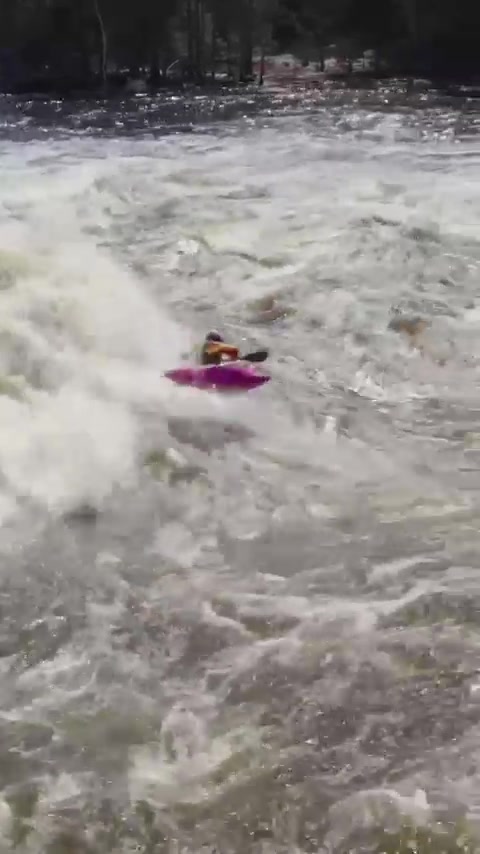
Whitewater kayaking is an adrenaline-pumping sport. The kayaker navigates the main current, slaloming through waves, and performing sharp turns. The river rages with forces.
Whitewater Kayaking
Whitewater kayaking is a thrilling water sport where participants navigate rapids and turbulent sections of a river in specialized kayaks. The kayaker paddles through the rapids while avoiding obstacles, such as rocks and other hazards. Whitewater kayaking requires strong upper body strength, balance, and skill to navigate the river's current. The sport boasts a certain vibe of freedom and excitement. The kayak is designed to be lightweight. The kayak's hull is typically made of polyester plastic or composites. The kayak also has a rudder or skeg which gives the kayaker more control in the water. This allows the kayaker to effectively change direction and navigate the rapids. Experienced kayakers can execute advanced maneuvers, such as rolls and spins.
Calming Waters, Racing Hearts
Coldheartedly, whitewater kayaking, and other extreme sports aren't for the faint-hearted. But most kayakers believe the risk is worth the experience, finding profound connection with nature in these waters. The heart races. It's an emotional experience. The river's force can be overwhelming. The sport has a higher incidence of fatal or life-threatening injuries. Those who attempt it thoroughly prepare. The goal is control in the water which comes from mastery and comfort. The sport attracts athletes who desire physical challenge.
Power and Pool
Force is the life-blood of whitewater kayaking. The kayaker maneuvers the kayak using the paddle, sometimes leaning the body to shift the kayak's weight, and angling the paddle to direct the kayak's momentum. By pushing the paddle against the water, the kayaker can perform a powerful stroke and move the kayak. The kayaker moves the kayak's bow by shifting the body weight on the water. The kayaker can pivot the kayak in the direction of the paddle. For example, the kayaker may pull the kayak by pushing out on the paddle. The kayaker can turn the kayak by twisting the torso. The kayaker uses the kayak's momentum to move the kayak's stern. The paddler navigates the river's rapid current. As the water's surface churns, the kayaker must anticipate and react to obstacles. The kayaker adjusts the paddle to avoid rocks and other barriers. They often lean their bodies to alter the kayak's trajectory, employing a combination of strength and timing. The kayaker navigates the river's rapid current. They control the kayak with precision to avoid obstacles. The kayaker uses their paddle to maneuver the kayak in the rapid current.
Kayaking Is Part of a Full Body Workout
Kayaking requires a variety of physical fitness — all the muscles must engage as you control the kayak and paddle. Whitewater kayaking can be an intense workout that engages multiple muscle groups, including the upper body and the core. Finally, the kayaker benefits from flexibility as they paddle through the water. The kayaker navigates the kayak in the water. The kayaker also uses the upper body muscles to paddle the kayak. The kayaker uses strong arms and shoulders to move the kayak through the water. The kayak requires the kayaker to balance the kayak and the paddle. The kayaker must also maintain a low center of gravity and a stable base.
The Sport of Kayaking: Equipment, Technique & Preparation
The kayak is the most distinguishing part of the sport. Whitewater kayaks have a unique shape and design which allow the kayak to navigate the rapids. The kayak has a low center of gravity and a sturdy structure. Whitewater kayaks come in different designs. There are recreational kayaks, touring kayaks and creek boats. The kayak you choose depends on the type of river and the type of kayaking. A kayaker can choose a kayak based on the type of river. Factors such as rapid intensity and water volume. New kayakers are encouraged to learn in a controlled and calm environment. The kayaker is taught key skills, such as bracing and rolling. The kayaker learns how to handle the kayak in the water. This leads to a mastery of the kayak's unique properties.
Readying Yourself for the Rapids?
Making the first kayak journey is a grand adventure. First, the kayaker should find a guide and rafting company. Having a guide who knows the proper procedure and technique is crucial. If you are new to kayaking, consider taking a class. A kayaking class will teach you the basics. Understand the risks of kayaking. The kayaker must know how to manage the kayak. The kayaker should understand the water conditions. Use the appropriate gear and safety equipment. Kayaking can be dangerous, and the kayaker should be prepared. The kayaker should know how to swimmer properly. If you are paddling alone, inform someone of your plans.
Watch the Reel
Questions readers ask
What makes whitewater kayaking different from regular kayaking?
Whitewater kayaking involves navigating rapids and turbulent waters, unlike regular kayaking which typically occurs in calmer conditions. Whitewater kayakers use specialized equipment and skills to tackle obstacles like rocks and strong currents, making it a more thrilling and physically demanding sport.
What kind of equipment do I need for whitewater kayaking?
Whitewater kayaking requires a specialized kayak, typically lightweight and made of polyester plastic or composites, with a rudder or skeg for better control. You'll also need a paddle designed for whitewater conditions, and appropriate safety gear like a helmet and life jacket.
How does a kayaker control their kayak in whitewater?
Kayakers control their kayak by using the paddle to push against the water, shifting their body weight, and angling the paddle to direct the kayak's momentum. They also use their body to lean and pivot the kayak, allowing for precise maneuvers in turbulent waters.
Is whitewater kayaking safe for beginners?
Whitewater kayaking can be dangerous for beginners due to the risk of fatal or life-threatening injuries. It's crucial for newcomers to receive proper training and thoroughly prepare before attempting to navigate rapids. Experienced kayakers emphasize the importance of mastery and comfort in the water to ensure safety.
What kind of physical fitness is required for whitewater kayaking?
Whitewater kayaking demands strong upper body strength, balance, and flexibility. It engages multiple muscle groups, including the core and upper body, as kayakers need to control the kayak and paddle through turbulent waters.
Related deep dives
Similar reads based on topic and creator.



Recent articles
Fresh deep dives from the latest Reels we unpacked.


Comments
Be the first to comment.