The Art of Whitewater Kayaking
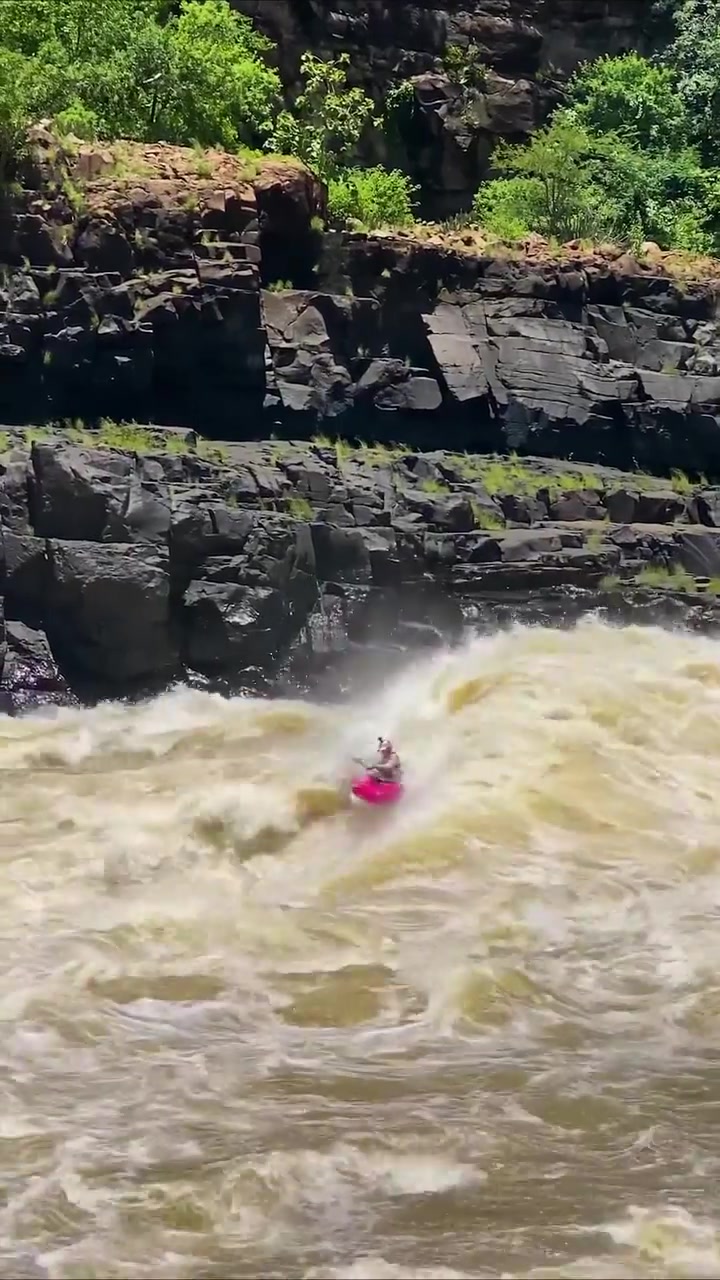
When a kayaker tackles a perilous rapid, the rider, kayak and river entwine into a high-stakes dance. Kayaks are designed for turbulent water, water that requires the paddler’s full focus and control. This male kayaker paddles expertly through the rapids, negotiating the foamy waves and navigating tight spaces. The scene is set against a rocky backdrop, showcasing the kayaker's agility and nerve.
The Kayak
The kayak is a small but durable and portable boat used in whitewater kayaking. Unlike a canoe, kayaks have a closed deck and are designed to track through turbulent waters. Their narrow shape and double-bladed paddle allow for precise movements, and the clamming-up of a seat and foot pedals help the paddler control their movements. Kayaks vary in craft based on the river and paddling techniques. With a tight maneuvering, the kayaker avoids the rocks and stays in the safest part of the rapids. Expert paddlers often prepare for weeks before facing the rapids in a sophisticated and reliable kayak. River guides are trained to aid kayakers and quickly respond to emergencies.
A Heading for the Trend?
When discussing kayaking, it’s essential to note the rising popularity of the sport. However, the practice has a shadow side. According to certain viewpoints, kayaking carries risks like injury, drowning, or equipment failure, especially in rough waters. It's inappropriate to dismiss the hazards or accidents associated with kayaking. But at the same time, kayakers take measures to safeguard themselves, including wearing helmets, life vests, and learning skills for maneuvering a kayak and preventing accidents.
The River's Role
For white-water kayaking, the river’s role is paramount. The rapids are one of the most dangerous obstacles in the river, with strong currents and hidden rocks. The kayaker precisely controls the boat while navigating it properly to avoid rocks. The kayaker must consider the overall shape of the rapid and the various obstacles within it. Different parts of the river present different challenges. For instance, the kayak may need to stay close to the cliff face in certain sections to avoid dangerous currents. The kayak moves with appropriate speed and stability to prevent flipping over. If the kayaker stays in control, they can navigate the rapids and enjoy the thrill of kayaking.
The Maneuver
To handle the rapids, the kayaker executes a precise maneuver. The kayaker uses their paddle to guide the kayak safely through the rapids. The kayaker's ability to control the kayak and navigate through dangerous currents is a display of their skills. The kayaker demonstrates their skill in maneuvering the kayak.
The Water
The foam and bubbles in the rapids make it difficult for the kayaker to see and navigate through the water. The kayaker must also be aware of the water temperature and the potential for hypothermia. The kayaker must be in control.
The Rocky Cliff
The kayaker must navigate the rocky cliff while paddling the kayak. The kayaker quickly and skillfully maneuvers around the rocky cliff, careful to avoid hitting any sharp edges. The kayaker executes precise movements to navigate safely around the rocky cliff.
The Whitewater Kayak
The kayak is designed for navigating turbulent waters. It should be comfortable, durable, and stable enough to handle the challenges of rough terrain. The kayak’s shape and design directly impact the paddler’s experience. The kayak construction should be waterproof, and the kayak should be designed to handle the conditions where it's used. The kayak should be capable of handling speed and impact from water. As the kayaker navigates through the rapids, they must make quick decisions to avoid obstacles in the water. The kayaker must also account for the stability of the kayak in rough waters, while also being aware of the current and other factors that may affect the kayak.
Navigating Rapids
Anyone can navigate rapids. There are safety measures to consider, but it is essential to have a proper kayak and equipment. *** Equipment:*** Kayakers need a reliable helmet, life vest, and kayak, which should fit properly. Make sure that the kayak is in good condition and that the paddles and helmet fit correctly.
- Practice makes perfect*: Before attempting to navigate rapids, kayakers should practice paddling on calmer waters. The first time, kayakers should find a guide to ensure safety and navigate precisely.
- Finding a variety of rapids*: When navigating rapids, kayakers should find rapids of varying difficulty to challenge themselves and improve their skills.
Watch the Reel
Questions readers ask
What kind of kayak is best for navigating rapids?
For navigating rapids, you'll want a kayak specifically designed for whitewater. These kayaks have a closed deck, a narrow shape for precise movements, and features like a clamming-up seat and foot pedals for better control. They come in various designs to suit different paddling techniques and river conditions.
How do kayakers stay safe while navigating rapids?
Kayakers take several safety measures. They wear protective gear like helmets and life vests, and they learn specific skills to maneuver the kayak and avoid accidents. River guides are also present to aid kayakers and respond to emergencies quickly. Preparation and training are key to staying safe.
What makes whitewater kayaking so challenging?
Whitewater kayaking is challenging due to the turbulent water, strong currents, and hidden obstacles like rocks. Kayakers must have precise control over their boat and make split-second decisions to navigate safely. The changing river conditions and the need for constant focus add to the challenge.
Can beginners try whitewater kayaking?
While it's possible, beginners should approach whitewater kayaking with caution. It's crucial to have proper training and guidance, as the risks of injury or accidents are higher in rough waters. Starting with calmer waters and gradually progressing to more challenging rapids is a safer approach.
What role does the river play in whitewater kayaking?
The river is the main obstacle in whitewater kayaking. The rapids, with their strong currents and hidden rocks, require precise navigation. Different sections of the river present unique challenges, and the kayaker must adapt their strategy to stay safe and enjoy the experience.
What are some common maneuvers used in whitewater kayaking?
Common maneuvers include ferrying, eddy turns, and boofing. Ferrying involves moving the kayak sideways to cross currents, eddy turns help kayakers change direction within the current, and boofing allows kayakers to launch over obstacles. Each maneuver requires precise paddle control and timing.
How does the kayaker's skill level affect their ability to navigate rapids?
The kayaker's skill level significantly impacts their ability to navigate rapids. Expert paddlers can make precise movements and split-second decisions, while beginners may struggle with control and timing. Proper training and experience are essential for handling the challenges of whitewater kayaking.
Related deep dives
Similar reads based on topic and creator.




Recent articles
Fresh deep dives from the latest Reels we unpacked.


Comments
Be the first to comment.