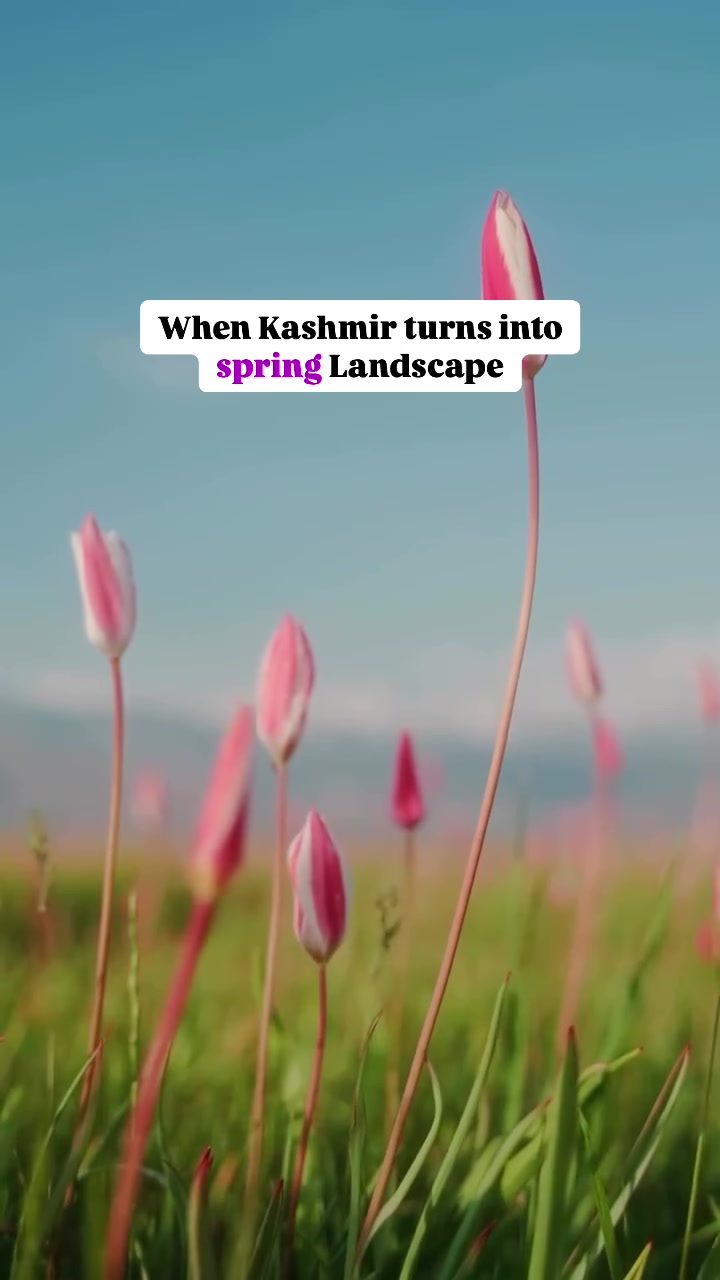
Kashmir Spring Landscape
Kashmir in spring is a visual feast, a time when the region transforms into a vibrant tapestry of colors and natural beauty. The landscape is dotted with fields of tulips, cherry blossoms, and vast expanses of yellow flowers, creating a picturesque scene that attracts visitors from around the world.
Context / Why this matters
Spring in Kashmir is more than just a season; it's an experience. The transformation of the landscape is a testament to the region's natural beauty and biodiversity. Understanding the unique floral displays and the ecological significance of these blooms can enhance your appreciation for this breathtaking season.
Main discussion
Tulip Fields
One of the most iconic features of Kashmir in spring is the vast fields of tulips. These vibrant blooms come in a variety of colors, including red, pink, yellow, and white, painting the landscape with a kaleidoscope of hues. Tulip festivals are a common event during this season, drawing large crowds who come to marvel at the beauty of these flowers. The fields are meticulously maintained, with each tulip carefully nurtured to ensure a stunning display.
Cherry Blossoms
Cherry blossoms add a delicate and enchanting touch to the Kashmir spring landscape. These flowers, often associated with Japanese culture, are equally breathtaking in the Himalayan region. The cherry blossoms create a soft, romantic atmosphere, with their delicate petals fluttering gently in the breeze. The sight of these blossoms is particularly enchanting, making it a favorite spot for photographers and nature enthusiasts.
Yellow Flower Fields
The fields of yellow flowers, often seen as vast, undulating waves of gold, are another highlight of the Kashmir spring landscape. These flowers, which can include varieties like canola and mustard, create a stunning contrast against the lush green of the surrounding vegetation. The yellow fields are not only visually striking but also play a crucial role in the local ecosystem, providing habitats and food for various species of birds and insects.
Practical tips
Best Time to Visit
For the best experience, plan your visit to Kashmir during the peak spring months of April and May. This is when the tulip fields, cherry blossoms, and yellow flowers are in full bloom. The weather is also pleasant, with mild temperatures and clear skies, making it ideal for outdoor activities and sightseeing.
Popular Spots
Some of the most popular spots to witness the spring landscape in Kashmir include the Indira Gandhi Memorial Tulip Garden in Srinagar, the Shalimar Bagh, and the Nishat Bagh. These gardens are meticulously maintained and offer a serene environment to enjoy the beauty of the flowers. Additionally, the Dal Lake and its surrounding areas provide a picturesque backdrop to the spring landscape, with houseboats and shikaras adding a unique charm.
Photography Tips
For photography enthusiasts, Kashmir in spring offers a plethora of opportunities to capture stunning images. Bring a wide-angle lens to capture the vast expanses of tulip and yellow flower fields. A macro lens can also be useful for capturing the delicate beauty of cherry blossoms. Early morning and late afternoon light provide the best conditions for photography, casting a soft, golden glow over the landscape.
Important takeaways
The Kashmir spring landscape is a feast for the senses, offering a unique blend of vibrant colors, delicate scents, and lush greenery. Whether you're a nature lover, a photographer, or simply someone looking to escape the hustle and bustle of city life, there is something for everyone in this enchanting region. By understanding the unique floral displays and the ecological significance of these blooms, you can enhance your appreciation for the natural beauty of Kashmir in spring.
Conclusion
Spring in Kashmir is a celebration of nature's beauty and diversity. From the vibrant tulip fields to the delicate cherry blossoms and the vast expanses of yellow flowers, the region transforms into a living canvas of colors. Whether you're a local resident or a visitor, taking the time to explore and appreciate this seasonal wonder is an experience that will leave you with unforgettable memories.
Watch the Reel
Questions readers ask
What are the must-see flowers that bloom in Kashmir during spring?
Kashmir is renowned for its tulip fields, cherry blossoms, and expanses of yellow flowers, such as daffodils and mustard flowers, which create a stunning visual spectacle and draw visitors from all over the globe.
When is the best time to visit Kashmir to see the spring landscape?
The best time to visit Kashmir for the spring landscape is typically from March to May. During this period, the region is in full bloom, offering a vibrant display of colors and natural beauty.
What are some of the best places to see tulips in Kashmir during spring?
Some of the best places to see tulips in Kashmir include the Indira Gandhi Memorial Tulip Garden in Srinagar, which is famous for its vast tulip fields, and the Tulip Garden in Gulmarg, which offers a breathtaking view of the surrounding mountains.
Are there any specific events or festivals related to the spring flowers in Kashmir?
Yes, the Tulip Festival is a major annual event that celebrates the blooming of tulips in Kashmir. This festival features various cultural programs, music, and food stalls, making it a must-visit for anyone in the region during spring.
What other natural attractions can I explore in Kashmir during spring besides flowers?
In addition to the stunning floral displays, visitors can explore the serene Dal Lake, the picturesque Mughal Gardens, and the lush green meadows of Gulmarg. These attractions offer a diverse range of experiences, from boating to hiking and sightseeing.
Is it safe to travel to Kashmir during spring?
Kashmir is generally safe for tourists during spring, with the local authorities taking measures to ensure the safety of visitors. However, it's always a good idea to stay updated with the latest travel advisories and follow local guidelines for a secure and enjoyable trip.
What is the significance of the yellow flowers in Kashmir's spring landscape?
The expanses of yellow flowers, such as mustard and daffodils, contribute significantly to the region's biodiversity and play a crucial role in supporting local ecosystems. These flowers also create a striking contrast against the backdrop of the snow-capped mountains, enhancing the overall aesthetic appeal of the landscape.
Related deep dives
Similar reads based on topic and creator.


Recent articles
Fresh deep dives from the latest Reels we unpacked.



Comments
Be the first to comment.