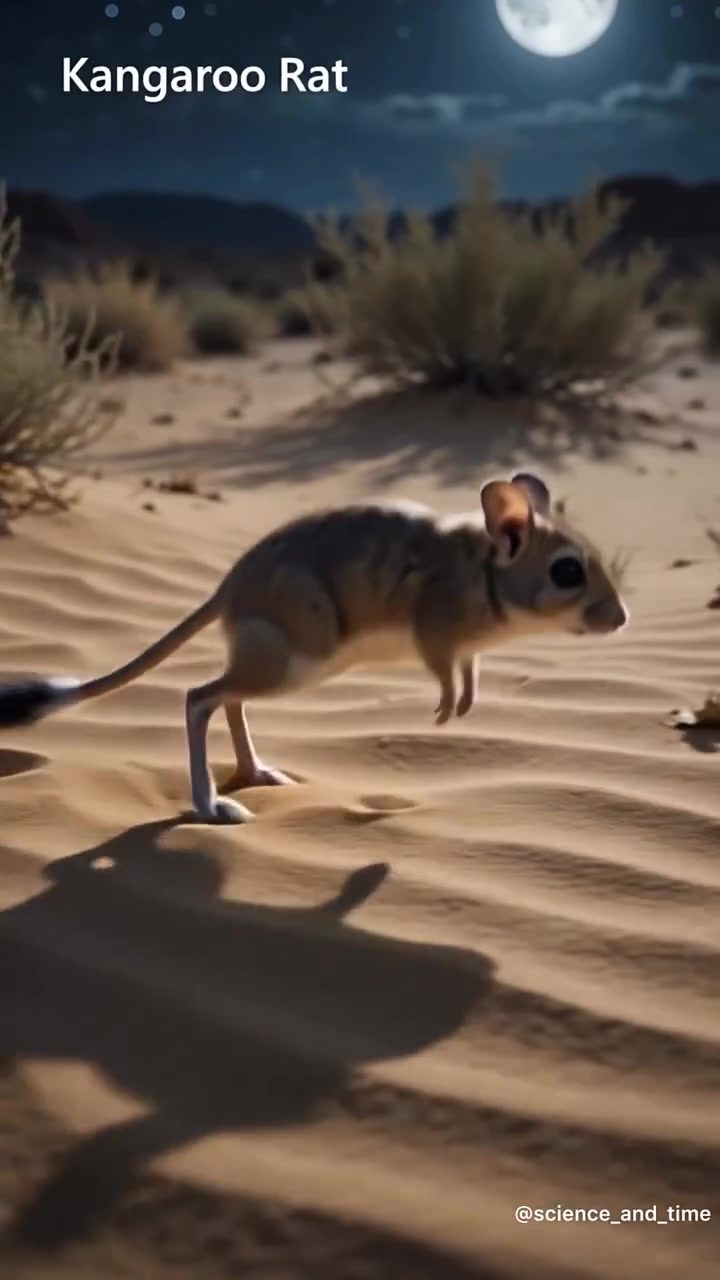
The Kangaroo Rat: A Desert Survivor
The kangaroo rat is a tiny, remarkable mammal that thrives in some of the harshest desert environments on Earth. Unlike many other animals, the kangaroo rat can survive its entire life without drinking a single drop of water. This extraordinary ability is due to a combination of physiological adaptations that make it one of nature's greatest survivors.
Context
Understanding how the kangaroo rat survives in arid environments provides insights into the remarkable adaptations that allow certain species to thrive in extreme conditions. The kangaroo rat's survival strategies are not just fascinating; they offer a deeper appreciation for the complexity and resilience of life on Earth.
The Secrets of the Kangaroo Rat's Body
Metabolic Water Production
The kangaroo rat's primary source of water comes from the food it consumes. As it digests dry seeds, chemical reactions within its body produce metabolic water. This water is a byproduct of the breakdown of carbohydrates and fats, providing the rat with the moisture it needs to sustain life. This process is crucial for the rat's survival in environments where free water is scarce.
Efficient Kidneys
In addition to producing water from its food, the kangaroo rat's kidneys are among the most efficient of any mammal. These organs are capable of producing highly concentrated urine, allowing the rat to conserve almost every drop of water it generates. This adaptation is vital for minimizing water loss in desert environments.
Water Vapor Recycling
The kangaroo rat's unique nasal structure plays a critical role in its water conservation efforts. Every time the rat exhales, its nose captures some of the water vapor from its breath and returns it to the body. This process ensures that the rat saves precious water with every breath, further enhancing its ability to survive in arid conditions.
Adaptations for Desert Life
Beyond its water-conserving mechanisms, the kangaroo rat has several other adaptations that help it thrive in the desert. For instance, it spends most of its time underground during the day, emerging only at night to forage. This behavior helps the rat avoid the scorching desert heat and reduces water loss through evaporation.
Additionally, the kangaroo rat's large eyes provide excellent vision in low-light conditions, allowing it to navigate its environment effectively during nighttime foraging. Its distinctive facial features, including long whiskers and a sensitive nose, further enhance its ability to sense and respond to its surroundings.
The Role of the Kangaroo Rat in Desert Ecosystems
Despite its small size, the kangaroo rat plays a significant role in desert ecosystems. By burrowing underground, it helps aerate the soil and facilitates the growth of desert vegetation. Its diet of dry seeds also contributes to the distribution and germination of plant species in the desert.
Practical Tips for Studying Desert Adaptations
For those interested in studying desert adaptations, the kangaroo rat offers a wealth of knowledge. Observing its behavior and physiological adaptations can provide valuable insights into how animals survive in extreme environments. Researchers can learn about the intricacies of metabolic water production, efficient kidney function, and water vapor recycling by studying the kangaroo rat.
Important Takeaways
The kangaroo rat's ability to survive without drinking water is a testament to the incredible adaptations that allow certain species to thrive in harsh environments. By understanding the mechanisms behind its water conservation and physiological adaptations, we gain a deeper appreciation for the complexity and resilience of life on Earth.
Conclusion
The kangaroo rat is a remarkable example of nature's ingenuity. Its unique adaptations for water conservation and desert survival make it one of the most fascinating animals in the world. By studying the kangaroo rat, we can learn valuable lessons about adaptation and resilience, offering insights into the intricate balance of life in extreme environments.
Watch the Reel
Questions readers ask
How do kangaroo rats manage to survive without drinking water?
Kangaroo rats survive without drinking water by producing metabolic water through their food intake and recycling water within their bodies. They also minimize water loss through their kidneys and by concentrating their urine.
What are the key physiological adaptations that enable kangaroo rats to thrive in deserts?
Key adaptations include the production of metabolic water from food, efficient water recycling, and the ability to conserve water through concentrated urine and minimal water loss through their kidneys. These adaptations make them well-suited for desert environments.
What is metabolic water and how does it help kangaroo rats?
Metabolic water is the water produced as a byproduct of the body's metabolic processes, such as the breakdown of food. For kangaroo rats, this is a crucial source of water, allowing them to survive in environments where water is scarce.
How do kangaroo rats conserve water in their bodies?
Kangaroo rats conserve water through a variety of mechanisms, including the production of highly concentrated urine, minimizing water loss through their kidneys, and reabsorbing water from their feces. These adaptations ensure that they retain as much water as possible.
Why is the kangaroo rat considered one of nature's greatest survivors?
The kangaroo rat is considered one of nature's greatest survivors due to its unique ability to thrive in extremely arid desert environments without drinking water. Their exceptional physiological adaptations enable them to live in conditions that would be lethal to most other mammals.
Recent articles
Fresh deep dives from the latest Reels we unpacked.




Comments
Be the first to comment.