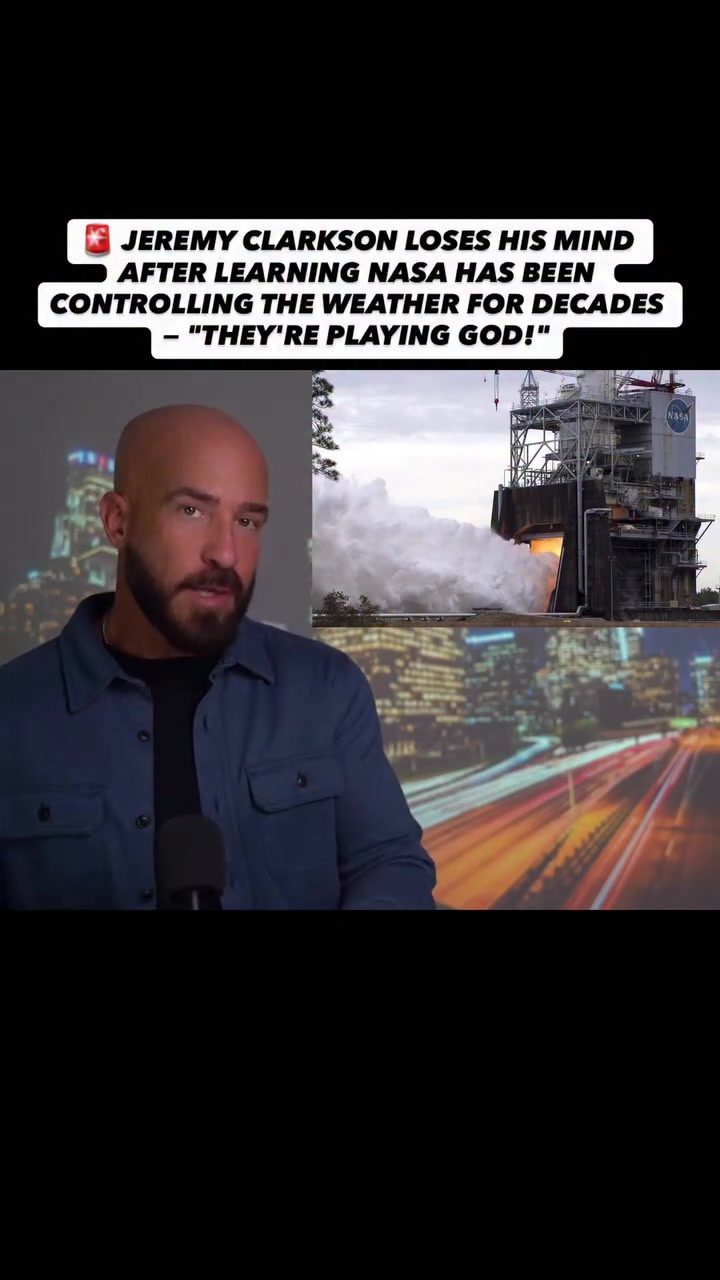
Weather Control: The Power to Influence the Skies
Weather control has long been a topic of fascination and debate. This subject gained traction after claims that NASA has been manipulating the weather for decades.
Context: Why This Matters
The ability to control the weather has significant implications. It could potentially mitigate natural disasters, ensure consistent agricultural yields, and even influence global climate patterns. Understanding the science behind weather manipulation is crucial for assessing its feasibility and potential impact on society.
Project Skyfire: Creating Storms on Command
The idea of creating a storm from scratch might seem far-fetched, but it is deeply rooted in scientific experiments. Project Skyfire, for example, is an experiment that involves the use of a rocket engine to generate a massive cloud composed of hydrogen and oxygen, which condenses into water vapor. This process can significantly alter the weather conditions in a targeted area. The footage of this experiment shows a large cloud forming, which eventually results in rain in Mississippi within about an hour. This demonstration highlights the potential of weather control on a large scale.
The Role of NASA in Weather Manipulation
NASA's involvement in weather control has been a subject of intense scrutiny. The agency has been accused of manipulating weather conditions to suit various purposes. For instance, a quote attributed to President Lyndon B. Johnson underscores the strategic importance of weather control: "It lays the predicate and the foundation for the development of a weather satellite that will permit man to determine the world's cloud layer, and ultimately..." This statement suggests that weather control has been a long-standing government interest. The implications of such technology are vast, ranging from military applications to civil defense and environmental management.
The Ethics and Implications of Weather Control
While the technological capabilities of weather control are undeniable, the ethical and social implications are equally significant. Control over weather patterns could be misused for malicious purposes, such as creating droughts or floods in enemy territories. On the other hand, it could be used to mitigate the effects of natural disasters, such as hurricanes or droughts, potentially saving countless lives and protecting infrastructure.
Moreover, the environmental impact of weather control is a critical consideration. The long-term effects of artificial weather modification on ecosystems and climate patterns are not yet fully understood. It is essential to conduct comprehensive research and develop robust regulatory frameworks to ensure that weather control is used responsibly and sustainably.
Practical Tips for Understanding Weather Control
Understanding weather control requires a multifaceted approach, involving both scientific knowledge and ethical considerations:
- Stay Informed: Follow updates from credible scientific journals and publications on the latest developments in weather control technology.
- Engage with Debates: Participate in discussions and forums that address the ethical and social implications of weather control. This will provide a broader perspective on the subject.
- Support Research: Advocate for funding and support for research into the environmental impact and potential applications of weather control.
- Participate in Public Discussions: Engage with policymakers and regulatory bodies to ensure that weather control technologies are developed and deployed responsibly.
Important Takeaways
- Feasibility and Potential: The ability to control the weather has been demonstrated through experiments like Project Skyfire.
- Historical Context: NASA and other organizations have been involved in weather control for decades, with significant government backing.
- Ethical Considerations: The ethical and social implications of weather control are vast and require careful consideration.
- Environmental Impact: The environmental impact of weather control is a critical area of study that needs more attention.
- Public Engagement: Engaging with the public and policymakers is essential for ensuring that weather control is used responsibly.
Conclusion
Weather control is a powerful and complex field with the potential to revolutionize how we manage the environment. While the technology exists, the ethical and environmental considerations must guide its development and application. By staying informed, engaging in debates, and advocating for responsible use, we can ensure that weather control is harnessed for the benefit of humanity and the planet.
Watch the Reel
Questions readers ask
What are NASA's claims regarding weather control and how has Jeremy Clarkson reacted to them?
NASA has long been associated with weather manipulation projects, such as Project Skyfire, which aims to influence weather patterns. Jeremy Clarkson, known for his outspoken views, has expressed skepticism and even ridicule towards these claims, often questioning their feasibility and potential impact on climate and society.
What is Project Skyfire and how does it relate to weather control?
Project Skyfire is a NASA initiative that explores the possibility of generating storms on demand. It involves scientific experiments to understand and manipulate weather patterns, contributing to the broader field of weather control technologies.
What are some potential impacts of weather control on society?
Weather control, if feasible, could have significant societal benefits. It could help prevent natural disasters, provide stability in agricultural yields, and potentially influence global climate patterns. However, it also raises ethical and environmental concerns that need careful consideration.
What controversies surround NASA's weather control projects?
NASA's weather control projects, such as Project Skyfire, have sparked debates about their purpose, effectiveness, and potential misuse. Critics argue that manipulating weather could have unintended consequences, while supporters see it as a tool for mitigating climate challenges and ensuring food security.
How has the media, particularly the BBC and Jeremy Clarkson, covered NASA's weather manipulation claims?
The media, including the BBC and figures like Jeremy Clarkson, have covered NASA's weather manipulation claims with a mix of curiosity and skepticism. While some reports delve into the scientific aspects, others, like Jeremy Clarkson's, focus on the potential absurdity and risks associated with such projects.
What is the current status of NASA's weather control projects?
The current status of NASA's weather control projects is ongoing with many still in the experimental stage. Projects like Skyfire continue to explore the technical and scientific aspects of weather manipulation, aiming to advance our understanding and capabilities in this area.
What are the ethical considerations surrounding NASA's efforts in manipulating climate?
The ethical considerations surrounding NASA's attempts to manipulate the climate are multifaceted. Key concerns include the potential for misuse, unintended environmental impacts, and the distribution of benefits or burdens across different regions and populations. Engaging in open dialogue and research will be crucial for navigating these complexities.
Recent articles
Fresh deep dives from the latest Reels we unpacked.




Comments
Be the first to comment.