JCB's Hydrogen Combustion Engine: A Major Breakthrough in Zero-Emission Technology
JCB's recent announcement of its hydrogen combustion engine marks a significant milestone in the quest for zero-emission technology. This breakthrough is particularly notable for its potential to transform the agricultural and construction sectors, offering a practical and scalable solution for decarbonizing heavy industry.
Why This Matters
The transition to zero-emission technology is crucial for mitigating climate change and reducing reliance on fossil fuels. For heavy machinery, the challenge has been to find a solution that can deliver the same power and performance as traditional engines while eliminating CO_2 emissions. JCB's hydrogen combustion engine addresses this challenge by leveraging hydrogen gas as a fuel source, thereby maintaining the performance characteristics of conventional engines without the carbon footprint.
JCB's Hydrogen Combustion Engine: A Game Changer
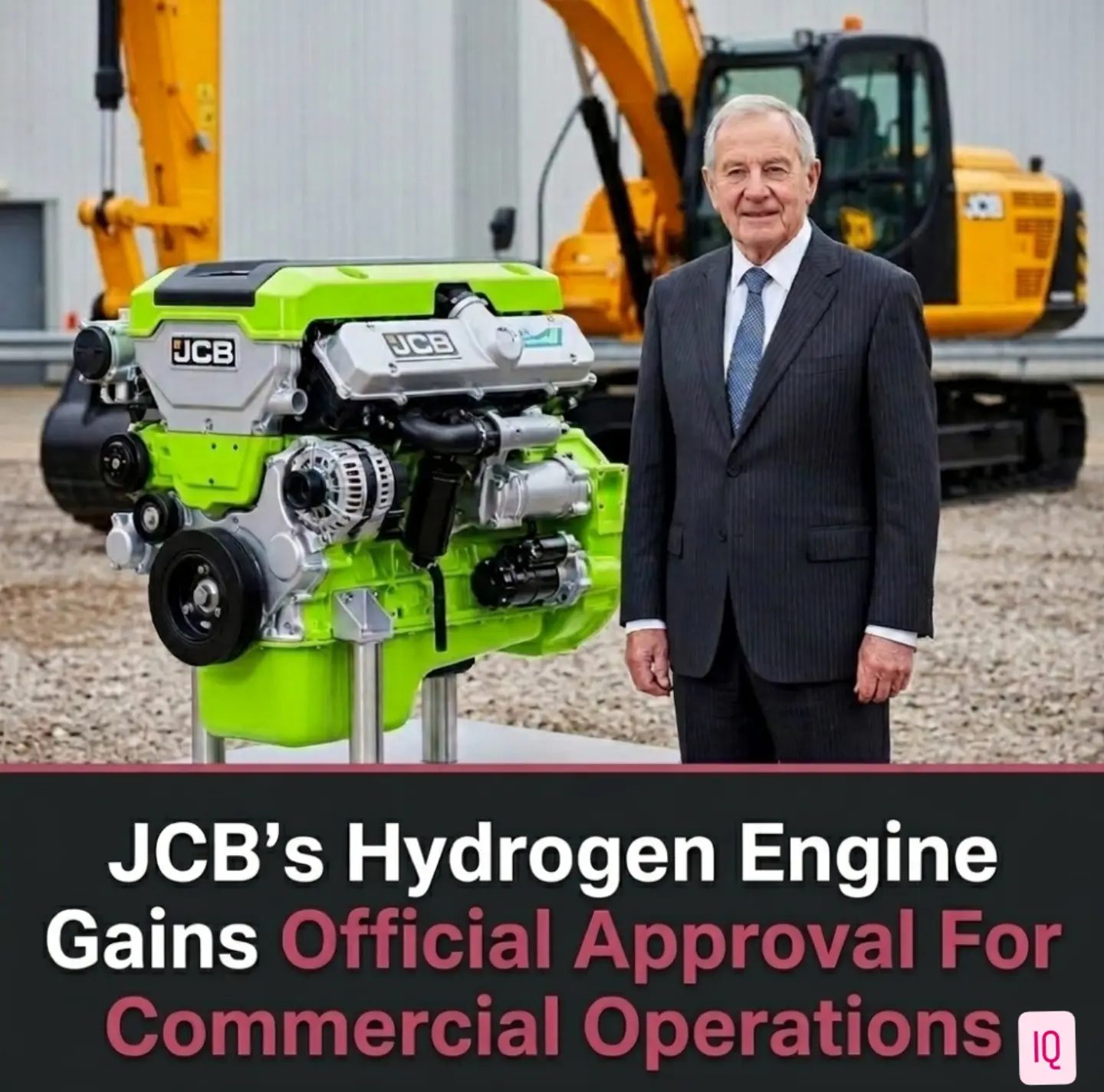
The hydrogen combustion engine showcased by JCB represents a significant leap forward in industrial equipment technology. This engine has been officially approved for commercial operations and has garnered attention for its vibrant green and silver design. The engine's distinctive color scheme not only sets it apart visually but also symbolizes its groundbreaking environmental benefits.
Unique Design and Performance
JCB's hydrogen combustion engine stands out from traditional electric vehicles by avoiding the use of heavy batteries. Instead, it adapts the familiar architecture of internal combustion engines to run entirely on hydrogen gas. This approach allows heavy machinery, such as excavators, to maintain high-power performance, torque, and operational duty cycles without producing CO_2 emissions.
Development and Investment
The development of this engine has been driven by Lord Anthony Bamford, the long-standing Chairman of JCB. Under his leadership, the company has invested £100 million into hydrogen technology. This substantial investment underscores JCB's commitment to innovation and sustainability.
The Benefits for Heavy Machinery
One of the key advantages of JCB's hydrogen combustion engine is its applicability to heavy machinery. Unlike electric vehicles, which often require significant infrastructure changes and can be limited by battery life and charging times, hydrogen-powered engines offer a more straightforward transition. Heavy machinery, such as excavators and tractors, can continue to operate at peak performance levels while reducing their carbon footprint.
Performance and Efficiency
The hydrogen combustion engine provides performance comparable to that of diesel engines, making it an attractive option for heavy-duty applications. This includes maintaining operational duty cycles and torque, which are essential for maintaining productivity in industries such as construction and agriculture.
Environmental Impact
By eliminating CO_2 emissions from the tailpipe, JCB's hydrogen combustion engine offers a cleaner, more sustainable alternative to traditional diesel engines. This not only helps to combat climate change but also aligns with environmental regulations and sustainability goals.
Practical Tips for Transitioning to Hydrogen Technology
For businesses looking to transition to hydrogen technology, several practical steps can be taken:
Conduct a Feasibility Study
Before making the switch, it's essential to conduct a feasibility study to assess the specific needs and challenges of your operation. This involves evaluating the current machinery, identifying areas where hydrogen technology can be integrated, and planning for any necessary infrastructure changes.
Invest in Training
Transitioning to a new technology requires proper training for operators and maintenance personnel. Training programs should cover the unique aspects of hydrogen-powered engines, including safety protocols, maintenance procedures, and operational techniques.
Plan for Infrastructure
While hydrogen technology offers a more straightforward transition for heavy machinery, it still requires some infrastructure changes. This includes setting up hydrogen fueling stations and ensuring a reliable supply of hydrogen fuel. Collaborating with local authorities and energy providers can help streamline this process.
Important Takeaways
- Technological Innovation: JCB's hydrogen combustion engine represents a significant advancement in zero-emission technology, leveraging hydrogen gas to power heavy machinery.
- Environmental Benefits: The engine eliminates CO_2 emissions from the tailpipe, making it a cleaner and more sustainable option for heavy-duty applications.
- Environmental Regulations: By adopting this technology, businesses can align with environmental regulations and sustainability goals, reducing their carbon footprint and contributing to climate change mitigation.
- Performance and Efficiency: The hydrogen combustion engine maintains the high-power performance, torque, and operational duty cycles of traditional diesel engines, making it a practical option for heavy machinery.
Conclusion
JCB's hydrogen combustion engine is a groundbreaking development in zero-emission technology, with the potential to revolutionize the agricultural and construction sectors. By adapting conventional internal combustion engine architecture to run on hydrogen gas, JCB has created a solution that maintains performance while eliminating CO_2 emissions. This breakthrough offers a scalable and practical blueprint for rapidly decarbonizing heavy industry, making it a crucial step toward a more sustainable future.
Watch the Reel
Questions readers ask
What makes JCB's hydrogen combustion engine suitable for commercial use?
JCB's hydrogen combustion engine is approved for commercial use because it delivers high-power performance comparable to traditional engines. It runs on hydrogen gas, making it a viable and scalable solution for decarbonizing heavy industry in agriculture and construction sectors.
How does the hydrogen combustion engine contribute to reducing CO2 emissions?
The hydrogen combustion engine from JCB helps reduce CO2 emissions by using hydrogen as a fuel, which is a zero-emission process. This makes it a practical and eco-friendly alternative to traditional fossil fuel-powered machinery.
What are the benefits of using hydrogen-powered engines in heavy machinery?
Hydrogen-powered engines in heavy machinery offer several benefits, including zero emissions, high power performance, and reduced reliance on fossil fuels. They also eliminate the need for heavy batteries, which can be cumbersome and costly.
How does JCB's hydrogen technology impact the agricultural and construction sectors?
JCB's hydrogen technology provides a sustainable alternative for the agricultural and construction sectors by offering a powerful, zero-emission engine. This helps these industries contribute to the global effort to reduce greenhouse emissions and combat climate change.
What are the main advantages of adopting hydrogen-powered engines over traditional engines?
The primary advantage of hydrogen-powered engines is their ability to provide zero emissions and high performance without the need for heavy batteries. This is a significant improvement over traditional engines, which rely on fossil fuels and contribute to greenhouse gas emissions.
Can the hydrogen combustion engine be used in various types of heavy machinery?
Yes, the hydrogen combustion engine can be used in various types of heavy machinery. Its versatile design makes it suitable for a range of applications in the agricultural and construction sectors, as well as other industries looking to decarbonize their operations.
Related deep dives
Similar reads based on topic and creator.




Recent articles
Fresh deep dives from the latest Reels we unpacked.




Comments
Be the first to comment.