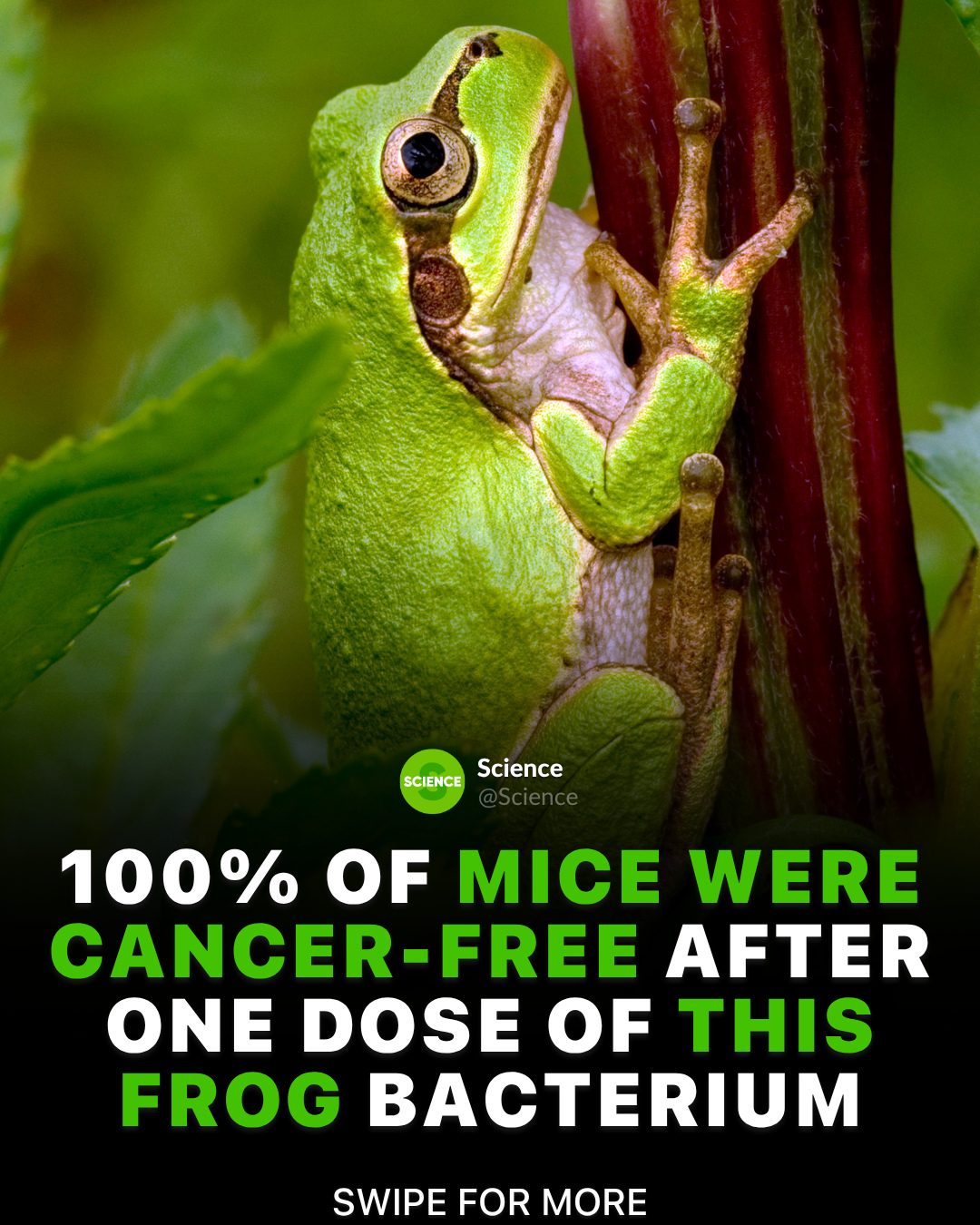
Colorectal Tumors Vanish After Single Dose of Bacterium from Japanese Tree Frog
In a remarkable turn of events, scientists have discovered a bacterium in the gut of a Japanese tree frog that has shown unprecedented success in eliminating colorectal tumors in mice. This bacterium, identified as Ewingella americana, has demonstrated the ability to eradicate 100% of tumors with just a single injection, outperforming both chemotherapy and immunotherapy.
Why This Matters
The discovery of Ewingella americana is significant for several reasons. Firstly, it highlights the potential of natural compounds and organisms in the fight against cancer. The ability of this bacterium to target and eliminate tumors with such precision and effectiveness is a groundbreaking advancement in the field. Moreover, the specificity of the bacterium in attacking tumors while leaving healthy organs untouched presents a promising avenue for developing more targeted and less invasive cancer treatments. This breakthrough could pave the way for new therapeutic approaches that are more effective and have fewer side effects compared to traditional cancer treatments.
The Discovery and Its Mechanisms
Researchers at the Japan Advanced Institute of Science and Technology collected 45 bacterial strains from the intestines of Japanese tree frogs, fire belly newts, and grass lizards. These strains were screened for anticancer activity, and nine showed potential. Among these, Ewingella americana stood out for its exceptional ability to eliminate colorectal tumors.
Mechanism of Action
The bacterium's effectiveness is attributed to two key mechanisms:
- Oxygen Starved Environments: Ewingella americana thrives in low-oxygen environments, allowing it to multiply predominantly inside tumors. Within 24 hours of treatment, the bacterium's population grew roughly 3,000-fold.
- Immune System Activation: The bacterium also attracts immune cells, such as T cells, B cells, and neutrophils, which flood the tumor with inflammatory signals. This immune response accelerates cancer cell death. Furthermore, the bacterium's specificity to tumors is likely due to the tumor's oxygen-starved interior, leaky blood vessels, and the production of a "don't eat me" protein by cancer cells, which inadvertently creates a favorable environment for the bacterium.
Safety and Specificity
Safety data from the study support the findings. The bacterium cleared from the bloodstream with a half-life of about 1.2 hours and was undetectable within a day. Over a 60-day observation period, no measurable organ damage was reported, reinforcing the bacterium's specificity and safety.
The Next Steps
Preclinical to Clinical Trials
The results from the study are preclinical, meaning they are based on animal models and have not yet been tested in humans. The next phase involves determining whether the approach extends to other types of solid tumors, such as breast and pancreatic cancers. If successful, human trials will follow, marking a significant step toward potential clinical applications.
Implications for Cancer Treatment
The discovery of Ewingella americana brings new hope to cancer treatment. Traditional therapies like chemotherapy and immunotherapy often come with severe side effects and varying levels of effectiveness. The specific targeting of tumors by this bacterium holds the promise of a more precise and less harmful treatment option. It is also worth noting that the bacterium's ability to thrive in low-oxygen environments suggests potential applications in treating hypoxic tumors, which are notoriously difficult to treat with conventional methods.
Practical Tips for Staying Informed
While the discovery is exciting, it's important to remain informed and realistic about the timelines and potential of such breakthroughs. Here are some practical tips to stay updated on this and similar developments:
Follow Scientific Journals
Keep an eye on scientific journals and research publications. Journals such as Nature, Science, and The Lancet often publish cutting-edge research that can provide more detailed insights into developing treatments.
Engage with Medical Professionals
Regular consultations with healthcare providers can keep you informed about the latest advancements in cancer treatment. Medical professionals often have access to preliminary research findings and can offer personalized advice.
Join Research Communities
Participating in online forums and communities dedicated to cancer research can provide valuable insights and updates. Websites and social media groups focused on specific types of cancer often share the latest findings and connect patients with researchers.
Attend Medical Conferences
If possible, attending medical conferences or webinars can provide firsthand access to the latest developments. These events often feature presentations by leading researchers and offer opportunities to ask questions and engage with experts.
Important Takeaways
The discovery of Ewingella americana in the gut of Japanese tree frogs represents a significant breakthrough in cancer treatment. Key takeaways include:
- Effectiveness: The bacterium eliminated 100% of colorectal tumors in mice with a single dose, outperforming chemotherapy and immunotherapy.
- Specificity: The bacterium targets tumors specifically, leaving healthy organs untouched.
- Mechanism of Action: The bacterium thrives in low-oxygen environments and attracts immune cells to accelerate cancer cell death.
- Safety: The bacterium clears from the bloodstream quickly and shows no measurable organ damage.
- Future Potential: Ongoing research aims to extend the findings to other types of solid tumors and eventually to human trials.
Conclusion
The discovery of Ewingella americana in the gut of a Japanese tree frog opens new avenues in cancer treatment. Its ability to eliminate colorectal tumors with high specificity and effectiveness, coupled with its safety profile, makes it a promising candidate for future therapeutic developments. As researchers continue to explore its potential, this breakthrough underscores the importance of continued scientific investigation and the potential for natural compounds in the fight against cancer.
Watch the Reel
Questions readers ask
What is the name of the bacterium found in Japanese tree frogs that has shown promise against colorectal tumors?
The bacterium is called Ewingella americana. It was discovered in the gut of a Japanese tree frog and has shown significant potential in eliminating colorectal tumors in mice.
How effective was Ewingella americana in treating colorectal tumors in mice?
Ewingella americana was remarkably effective, eliminating 100% of colorectal tumors in mice with just a single injection. This outperformed both chemotherapy and immunotherapy treatments.
What makes Ewingella americana a significant discovery in cancer research?
The bacterium's ability to target and eliminate tumors with high precision and effectiveness is a groundbreaking advancement. It opens up possibilities for more targeted and less invasive cancer treatments by using natural compounds.
How does Ewingella americana compare to traditional cancer treatments like chemotherapy?
Ewingella americana has shown greater effectiveness than traditional chemotherapy. It was able to eradicate tumors in mice with a single dose, whereas chemotherapy often requires multiple doses and can have more severe side effects.
What are the potential benefits of using bacteria like Ewingella americana in cancer treatment?
Using bacteria like Ewingella americana in cancer treatment could lead to more targeted therapies with fewer side effects. This approach leverages natural organisms to fight cancer, which could revolutionize the way we approach cancer treatments.
What does the discovery of Ewingella americana mean for future cancer research?
The discovery highlights the untapped potential of natural compounds and organisms in cancer treatment. Future research could explore how to translate these findings into safe and effective treatments for humans, potentially leading to new therapies for colorectal cancer and other types of cancer.
Have there been any studies on the safety of Ewingella americana in humans?
As of now, the research has been conducted on mice. While the results are promising, further studies are needed to ensure the safety and effectiveness of Ewingella americana in humans before it can be considered for clinical use.
Related deep dives
Similar reads based on topic and creator.



Recent articles
Fresh deep dives from the latest Reels we unpacked.



Comments
Be the first to comment.