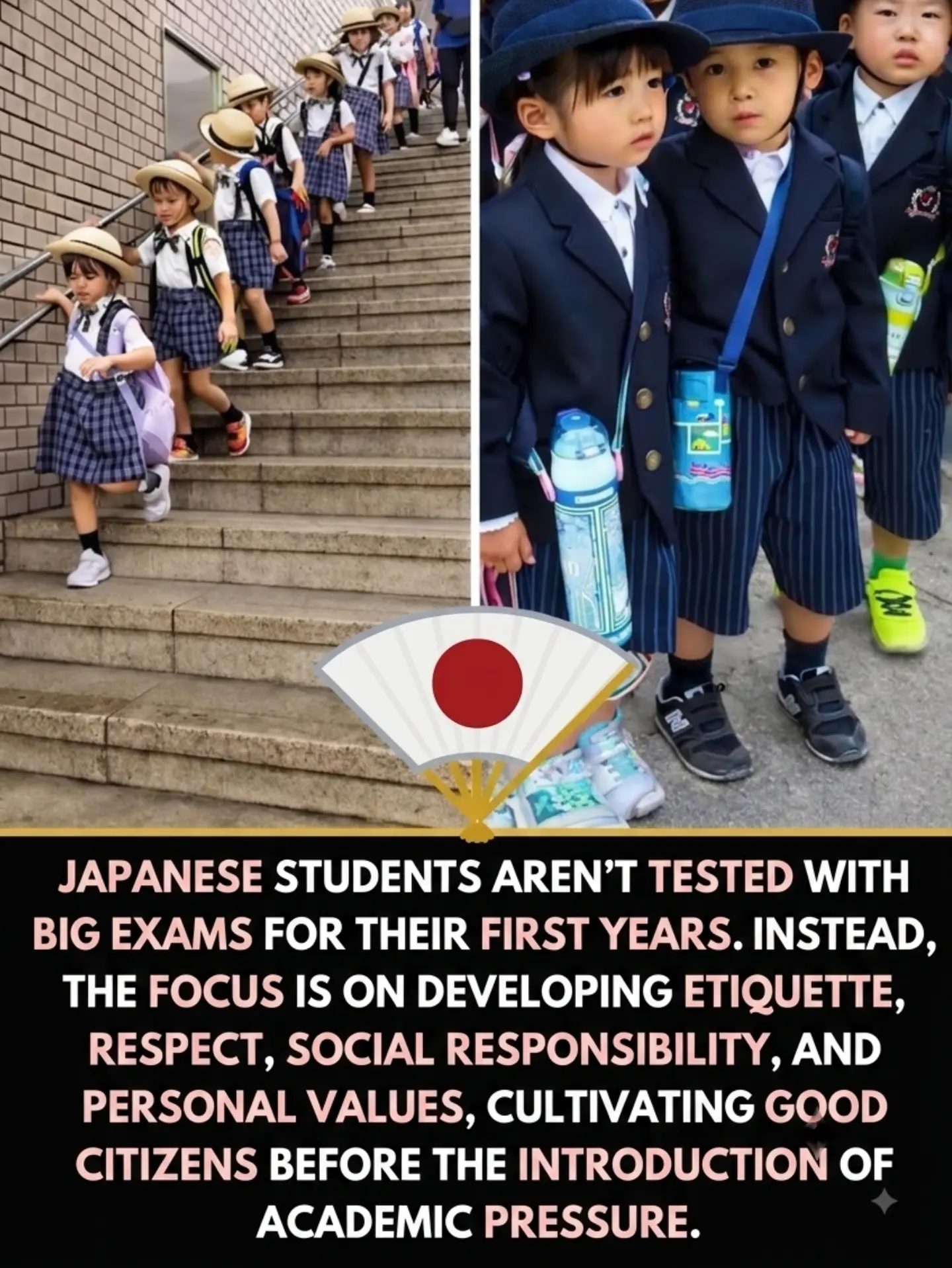
Elementary Education in Japan: Focusing on Character Building
The Japanese education system is renowned for its unique approach to elementary education. Unlike many other countries, Japan prioritizes character development and social responsibility over academic testing in the early years. This focus on "Kokoro no Kyoiku," or "education of the heart," sets a strong foundation for students, ensuring they grow into well-rounded individuals before facing the rigors of academic pressure.
Why This Matters
Understanding the Japanese approach to elementary education offers valuable insights into how a society can nurture not just intellectually capable individuals, but also responsible, empathetic citizens. By emphasizing character development, Japanese schools aim to cultivate qualities that are essential for a harmonious and productive society.
Character Building in Early Education
Etiquette and Respect
One of the key aspects of Japanese elementary education is the emphasis on etiquette and respect. Young students are taught the importance of greeting elders, showing gratitude, and collaborating kindly. These lessons in manners and social grace are not merely about compliance; they are about instilling a deep sense of respect and understanding for others.
O-soji (Clean-Up Time)
"O-soji" is a Japanese ritual that exemplifies the country's focus on responsibility and self-reliance. Students participate in cleaning their classrooms and serving school lunches, which helps them develop a sense of ownership and responsibility for their environment. This practice also teaches them the importance of teamwork and collective effort, fostering a sense of community and shared responsibility.
Community and Empathy
Beyond academic lessons, Japanese schools prioritize the development of character and civic sense. Students are encouraged to engage in activities that promote empathy and a sense of community. This holistic approach ensures that students grow into individuals who are not only academically capable but also emotionally and socially mature.
Academic Progress and Testing
Small quizzes and progress checks do occur in the early grades, but the focus is not on high-stakes testing. Academic pressure is introduced gradually, allowing students to build a strong foundation in character and social responsibility before facing the rigors of more intense academic testing. This balanced approach ensures that students are well-prepared for both the academic and social challenges they will face in later years.
Practical Tips
For educators and parents looking to incorporate elements of the Japanese education system, here are some practical tips:
- Emphasize Etiquette and Respect: Encourage children to learn and practice good manners and respect for others. This can be done through role-playing, storytelling, and daily interactions.
- Promote Responsibility and Self-Reliance: Involve children in household chores and responsibilities. This not only helps them develop a sense of self-reliance but also teaches them the importance of contributing to the community.
- Foster a Sense of Community: Encourage children to participate in community activities and engage in teamwork. This can be done through group projects, community service, and collaborative games.
- Gradual Academic Pressure: Ensure that academic pressure is introduced gradually. Allow children to build a strong foundation in basic subjects before moving on to more complex topics.
Important Takeaways
The Japanese education system's focus on character building in the early years offers a compelling model for nurturing well-rounded individuals. By prioritizing etiquette, responsibility, and community, Japanese schools ensure that students are not only academically capable but also socially and emotionally mature. This holistic approach provides a strong foundation for lifelong learning and responsible citizenship.
Conclusion
The Japanese approach to elementary education serves as a reminder that building a great student starts with building a great person. By prioritizing character development and social responsibility, Japanese schools create an environment where students can thrive both academically and socially. This balanced approach ensures that students are well-prepared to face the challenges of the modern world, equipped with the necessary skills and values to succeed.
Watch the Reel
Questions readers ask
What is 'Kokoro no Kyoiku' and why is it important in Japanese elementary education?
'Kokoro no Kyoiku,' or 'education of the heart,' is a core principle in Japanese elementary education that emphasizes character development and social skills. It is important because it helps students grow into well-rounded, empathetic individuals who understand the value of community and civic responsibility from a young age.
How does the Japanese education system differ from others in terms of early academic testing?
The Japanese education system differs significantly in that it prioritizes character development and social skills over early academic testing. This approach allows children to develop a strong moral and social foundation before facing academic pressures, setting Japan's students apart in terms of emotional and social intelligence.
What social skills do Japanese elementary schools focus on?
Japanese elementary schools focus on fostering social skills such as respect, etiquette, and responsibility. These skills are integrated into the school curriculum to ensure students understand the importance of community and civic responsibility, rather than focusing solely on academic performance.
How does the Japanese approach to elementary education benefit students in the long run?
By prioritizing character development, Japanese elementary education helps students grow into responsible, empathetic citizens. This approach not only benefits the students individually but also contributes to a more cohesive and responsible society, as students learn the importance of community and civic responsibility from a young age.
What subjects are typically included in the Japanese elementary school curriculum for character building?
The Japanese elementary school curriculum includes subjects that promote character building, such as moral education, social studies, and physical education. These subjects are designed to teach students about respect, responsibility, and the importance of working together to foster a sense of community and civic duty.
How does the Japanese elementary education system prepare students for future academic challenges?
By focusing on character development and social skills in the early years, Japanese elementary education lays a strong foundation for students. This approach helps students develop resilience, emotional intelligence, and a strong work ethic, which are crucial for facing future academic challenges and pressures.
What role does the community play in Japanese elementary education?
In the Japanese elementary education system, the community plays a significant role in fostering a sense of belonging and responsibility. The approach encourages students to understand their role within the community and to develop a strong sense of civic responsibility, making them well-rounded, empathetic citizens.
Related deep dives
Similar reads based on topic and creator.


Recent articles
Fresh deep dives from the latest Reels we unpacked.




Comments
Be the first to comment.