Ultra-thin Solar Cells: The Future of Clean Energy
Introduction
Ultra-thin solar cells, particularly those developed by TCHS in Japan, represent a groundbreaking advancement in renewable energy technology. These innovative solar cells are revolutionizing how we think about generating electricity, offering a more versatile and cost-effective solution compared to traditional silicon panels.
Context / Why this matters
The push for cleaner, more sustainable energy sources is more critical than ever. Traditional solar panels, while effective, have limitations in terms of cost, installation complexity, and versatility. Ultra-thin solar cells address these challenges by offering a lightweight, flexible, and efficient alternative. This technology could transform how we integrate solar energy into our daily lives, from powering homes to energizing vehicles and even entire buildings.
Main discussion
The Technology Behind Ultra-Thin Solar Cells
Perovskite Solar Cells
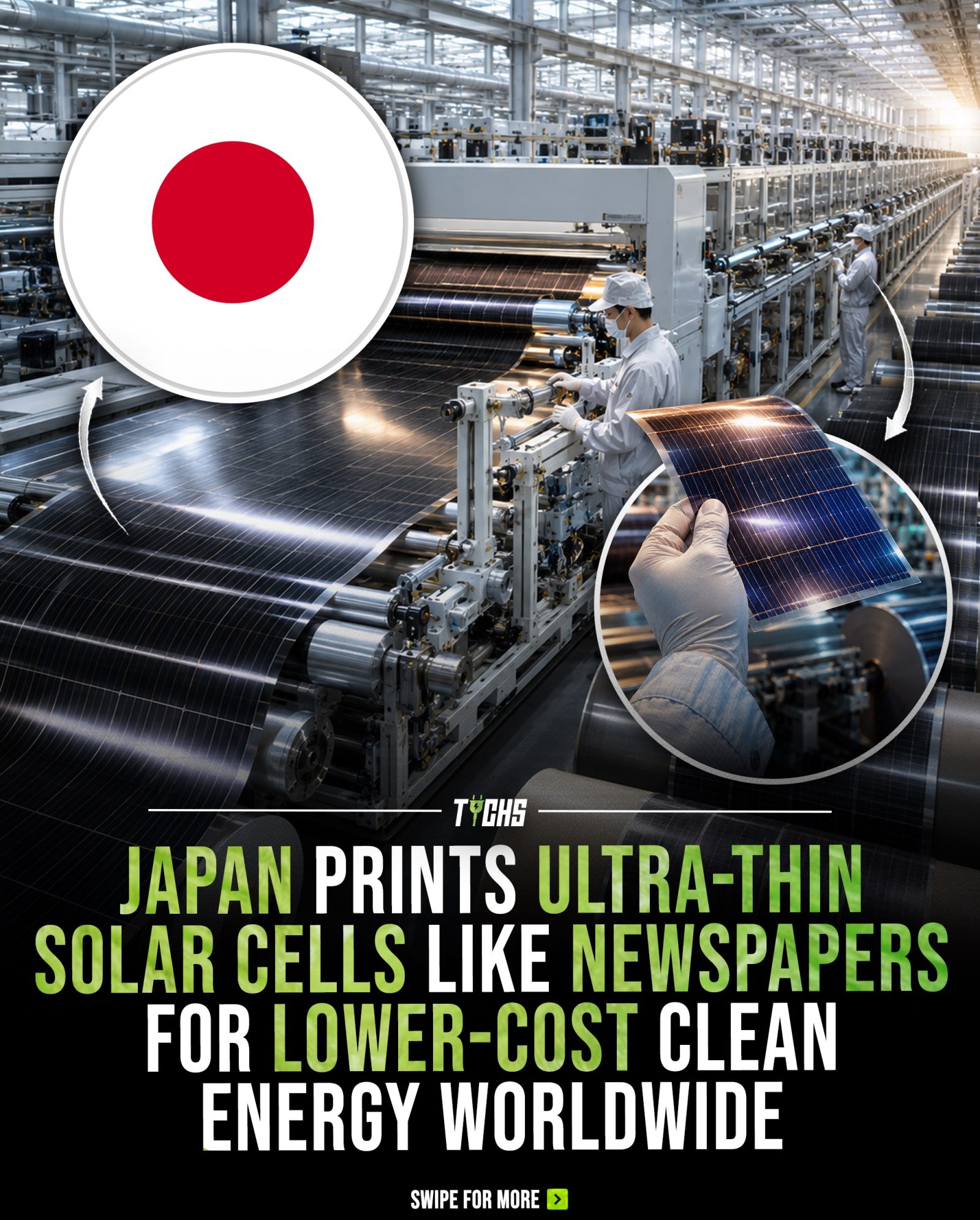
Unlike traditional silicon solar cells, perovskite solar cells are made from a unique class of materials that offer superior flexibility and thinness. These cells are produced using printing-based manufacturing methods, much like how newspapers are printed. This process not only makes the production faster and more efficient but also significantly reduces the cost of manufacturing.
The printing process involves layering the perovskite material onto a flexible substrate, which can then be rolled up for easy transportation and installation. This method allows for the creation of ultra-thin solar cells that are thinner than paper, making them incredibly lightweight and versatile.
Advantages of Ultra-Thin Solar Cells
Cost-Effectiveness
One of the most significant advantages of ultra-thin solar cells is their cost-effectiveness. The printing-based manufacturing process is less resource-intensive and more efficient than traditional methods. This could lower the overall cost of solar energy, making it more accessible to a broader range of consumers and industries.
Versatility and Flexibility
Another key benefit is their versatility. Unlike traditional silicon panels, ultra-thin solar cells can be easily integrated into various surfaces, including walls, rooftops, vehicles, and even clothing. This means that almost any surface can become a power source, opening up new possibilities for renewable energy generation.
Ease of Installation
The lightweight and flexible nature of these solar cells make them much easier to install compared to traditional panels. They can be rolled out and secured to almost any surface, eliminating the need for heavy, bulky equipment and complex installation processes. This ease of installation could significantly reduce the time and labor costs associated with setting up solar energy systems.
The Manufacturing Process
The manufacturing process of ultra-thin solar cells is a fascinating blend of cutting-edge technology and traditional printing techniques. The process begins with a factory line that produces the solar cells using a high-precision printing machine. The cells are then examined by scientists to ensure quality and efficiency.
The printing process involves layering the perovskite material onto a flexible substrate, which can then be rolled up for easy transportation and installation. This method allows for the creation of ultra-thin solar cells that are thinner than paper, making them incredibly lightweight and versatile.
Applications and Potential
Everyday Surfaces as Power Sources
One of the most exciting potential applications of ultra-thin solar cells is their ability to turn everyday surfaces into power sources. Imagine walls, rooftops, vehicles, and even clothing generating electricity quietly and efficiently. This could revolutionize how we think about integrating renewable energy into our daily lives, making it more accessible and widespread.
Reducing Dependency on Massive Solar Farms
Currently, much of our solar energy generation relies on large-scale solar farms. While effective, these farms require significant land and resources. Ultra-thin solar cells offer a decentralized approach, allowing for smaller, more localized energy generation. This could reduce our dependency on massive solar farms and make renewable energy more accessible and sustainable.
Practical tips
Here are some practical tips for those interested in exploring ultra-thin solar cells:
Research and Understand
Before investing in ultra-thin solar cells, it's essential to do thorough research. Understand the technology, its benefits, and its limitations. Talk to experts in the field and get their insights.
Consider Your Needs
Assess your energy needs and determine if ultra-thin solar cells are the right fit. Consider factors such as cost, installation complexity, and potential return on investment.
Look for Reputable Manufacturers
When exploring ultra-thin solar cells, look for reputable manufacturers who have a proven track record. Ensure they use high-quality materials and have robust quality control measures.
Consult Professionals
Before making a significant investment, consult with professionals in the renewable energy sector. They can provide valuable insights and help you make an informed decision.
Evaluate Installation Requirements
While ultra-thin solar cells are generally easier to install, it's still important to evaluate the specific installation requirements. Consider factors such as the surface area, orientation, and potential obstacles.
Important takeaways
Ultra-thin solar cells, particularly those developed by TCHS in Japan, offer a revolutionary approach to renewable energy generation. Their cost-effectiveness, versatility, and ease of installation make them an attractive alternative to traditional solar panels. By integrating these cells into everyday surfaces, we can create a more sustainable and decentralized energy system, reducing our dependency on massive solar farms and making clean energy more accessible to everyone.
Conclusion
Ultra-thin solar cells are poised to change how we generate and think about electricity. By offering a cost-effective, versatile, and efficient solution, they pave the way for a future where clean energy is not just a luxury but a practical and accessible choice. As technology continues to advance, ultra-thin solar cells could become the cornerstone of a more sustainable and energy-independent world.
Watch the Reel
Questions readers ask
What are ultra-thin solar cells and how do they differ from traditional solar panels?
Ultra-thin solar cells are extremely lightweight and flexible solar panels developed by companies like TCHS in Japan. Unlike traditional silicon solar panels, they offer enhanced versatility, making them easier to install in various settings. They are also more cost-effective for large-scale production and installation.
How do ultra-thin solar cells contribute to renewable energy innovation?
Ultra-thin solar cells advance renewable energy by providing a more adaptable and cost-efficient solution for power generation. Their flexibility allows for integration into a wide range of surfaces and applications, from buildings to wearable technology, making clean energy more accessible.
What are the benefits of using flexible solar panels in solar energy printing methods?
Flexible solar panels, such as ultra-thin solar cells, can be easily integrated into printing methods, enabling mass production and application on diverse materials. This makes them suitable for large-scale deployments and reduces the overall cost of solar panel manufacturing.
What role does Japan play in the advancement of ultra-thin solar technology?
Japan is at the forefront of ultra-thin solar technology, with companies like TCHS leading the development of these innovative solar cells. The country's advancements in this field are crucial for improving the efficiency, flexibility, and cost-effectiveness of solar energy solutions.
How can ultra-thin solar cells help in reducing the cost of solar energy?
Ultra-thin solar cells reduce the cost of solar energy through their simplified manufacturing process and lower material requirements. Their flexible nature also decreases installation costs by allowing for easier and more adaptable deployment on various surfaces.
Related deep dives
Similar reads based on topic and creator.




Recent articles
Fresh deep dives from the latest Reels we unpacked.




Comments
Be the first to comment.