High-Speed Train Travel in Japan
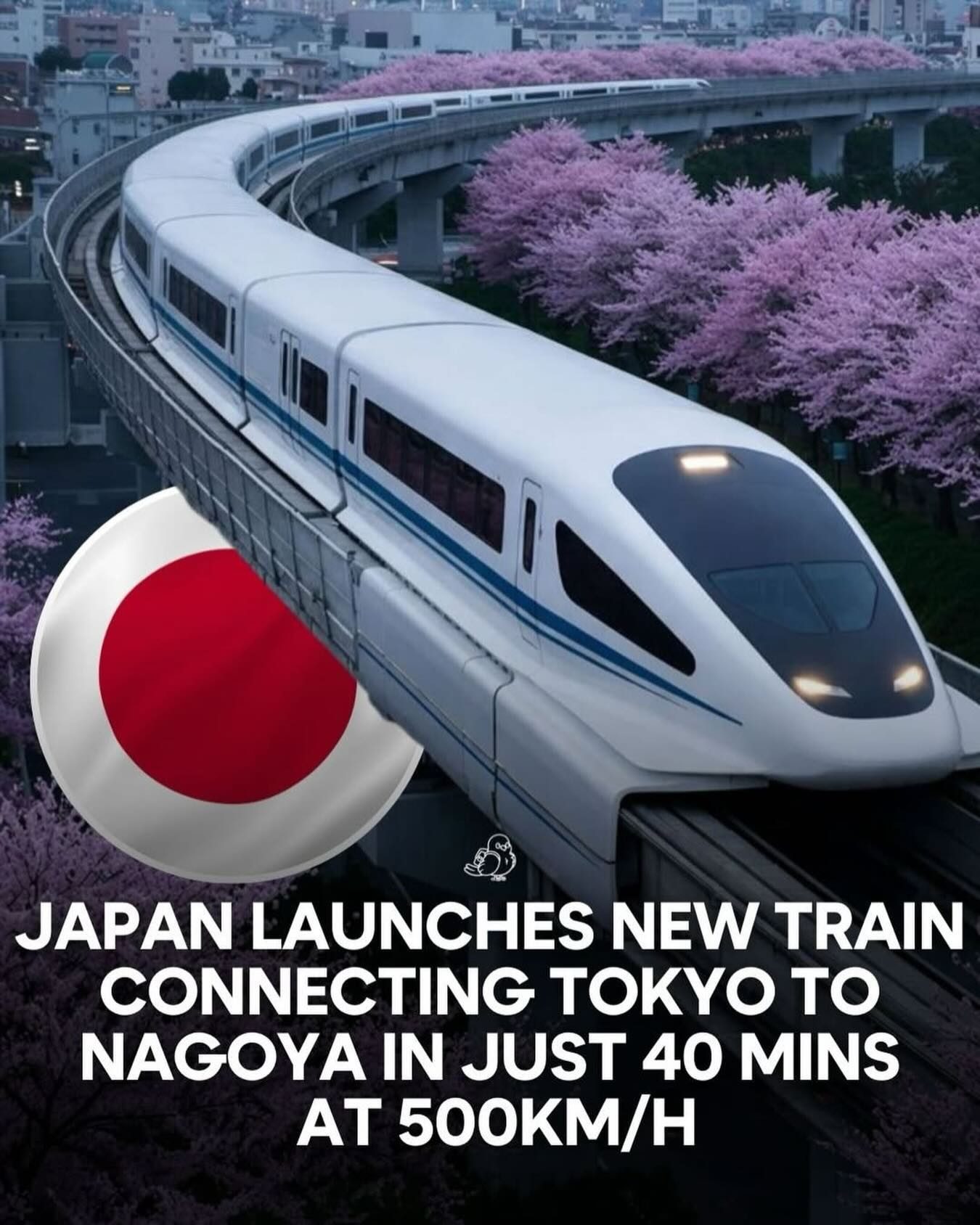
High-speed train travel is about to get even faster in Japan with the introduction of a revolutionary maglev train. This groundbreaking technology will connect Tokyo and Nagoya in just 40 minutes, making it a game-changer for rail travel.
Why This Matters
The development of high-speed rail networks has always been about connecting cities more efficiently, but the new maglev trains are pushing the boundaries of what's possible. Japan is at the forefront of this innovation, and the new route from Tokyo to Nagoya is a significant milestone.
Maglev Trains: The Future of High-Speed Rail
What is Maglev Technology?
Maglev trains use magnetic levitation to lift the train off the track, eliminating friction and allowing for incredibly high speeds. Unlike traditional trains that rely on wheels to move along tracks, maglev trains float on a magnetic field. This technology, known as Superconducting Maglev (SCMAGLEV), is poised to revolutionize high-speed rail travel.
The New Route: Tokyo to Nagoya
The new maglev route will connect two of Japan's most important cities: Tokyo and Nagoya. The journey, which currently takes over an hour by traditional bullet trains (Shinkansen), will be cut down to just 40 minutes. This dramatic reduction in travel time is made possible by the train's top speed of 500 km/h (311 mph).
The Chūō Shinkansen Line
This new route is part of the larger Chūō Shinkansen line, which is projected to open its Tokyo–Nagoya segment later this decade. The Chūō Shinkansen aims to further reduce travel times between major cities, making it easier and faster to travel between Tokyo, Nagoya, and Osaka, the heart of Japan.
The Benefits of Maglev Technology
Speed and Efficiency
Maglev trains offer unparalleled speed and efficiency. By eliminating friction, these trains can maintain high speeds with less energy, making them more efficient than traditional trains. This not only saves time but also reduces operating costs.
Smooth and Comfortable Ride
One of the most noticeable benefits of maglev technology is the smooth ride. Without the vibrations and noise associated with traditional trains, passengers can enjoy a quieter and more comfortable journey. This is particularly important for long-distance travel, where comfort and relaxation are key to an enjoyable experience.
Environmental Impact
Maglev trains are also more environmentally friendly. By reducing energy consumption and emissions, these trains offer a greener alternative to flying or driving. As the world becomes more conscious of its environmental footprint, maglev technology could play a significant role in sustainable transportation.
Practical Tips for Traveling by Maglev Train
Booking Tickets
When planning a trip on the new maglev train, make sure to book your tickets in advance. As a new and highly anticipated route, tickets may sell out quickly, especially during peak travel times. Check the official website for the latest information and booking details.
Luggage and Onboarding
Maglev trains are designed with modern travelers in mind, so there's ample space for luggage. Most stations will have dedicated areas for checking in and boarding, making the process smooth and efficient. Arrive at the station with enough time to spare to ensure a stress-free journey.
Exploring the Route
Traveling between Tokyo and Nagoya offers a chance to explore some of Japan's most iconic landmarks. Whether you're interested in the bustling streets of Tokyo or the historic sites of Nagoya, the maglev train provides a seamless way to experience both cities in a single trip.
Key Takeaways
Revolution in Rail Travel
The introduction of maglev trains marks a significant leap forward in rail travel. With speeds up to 500 km/h and a smoother, more comfortable ride, maglev technology is set to redefine how we travel between major cities.
Tokyo to Nagoya in 40 Minutes
The Tokyo to Nagoya route is a prime example of how maglev trains can dramatically reduce travel times. This efficiency makes it easier than ever to explore Japan's vibrant cities and experience its rich culture.
Sustainable and Efficient
Maglev trains offer a green alternative to traditional transportation methods. By reducing energy consumption and emissions, they provide a sustainable way to travel while still offering exceptional speed and comfort.
Conclusion
High-speed train travel in Japan is set for a major upgrade with the introduction of maglev trains. This new route from Tokyo to Nagoya, with its impressive speed and efficiency, is just the beginning. As more cities adopt this technology, travelers can look forward to faster, more comfortable, and greener journeys.
Watch the Reel
Questions readers ask
What is the travel time from Tokyo to Nagoya on the new maglev train?
The new maglev train significantly reduces travel time, completing the journey from Tokyo to Nagoya in just 40 minutes.
How does the maglev train achieve such high speeds?
The maglev train uses magnetic levitation technology, which lifts the train off the track, reducing friction and allowing it to reach speeds up to 500 km/h.
What are the benefits of taking the new maglev train from Tokyo to Nagoya?
The new maglev route offers enhanced connectivity, improved travel efficiency, and a significantly reduced travel time, making it a more convenient option for passengers.
Is this the first maglev train route in Japan?
While Japan has been developing maglev technology for many years, the new Tokyo to Nagoya route is one of the most significant implementations, showcasing Japan's commitment to high-speed rail innovation.
What other cities in Japan might benefit from this maglev technology in the future?
Japan is continually exploring the expansion of maglev technology to connect more cities, such as Osaka. Future plans may include additional high-speed routes to improve overall railway travel.
How does the new maglev train compare to conventional high-speed trains in Japan?
The maglev train is faster and more efficient due to its magnetic levitation technology, significantly reducing travel times compared to conventional high-speed trains.
Related deep dives
Similar reads based on topic and creator.




Recent articles
Fresh deep dives from the latest Reels we unpacked.




Comments
Be the first to comment.