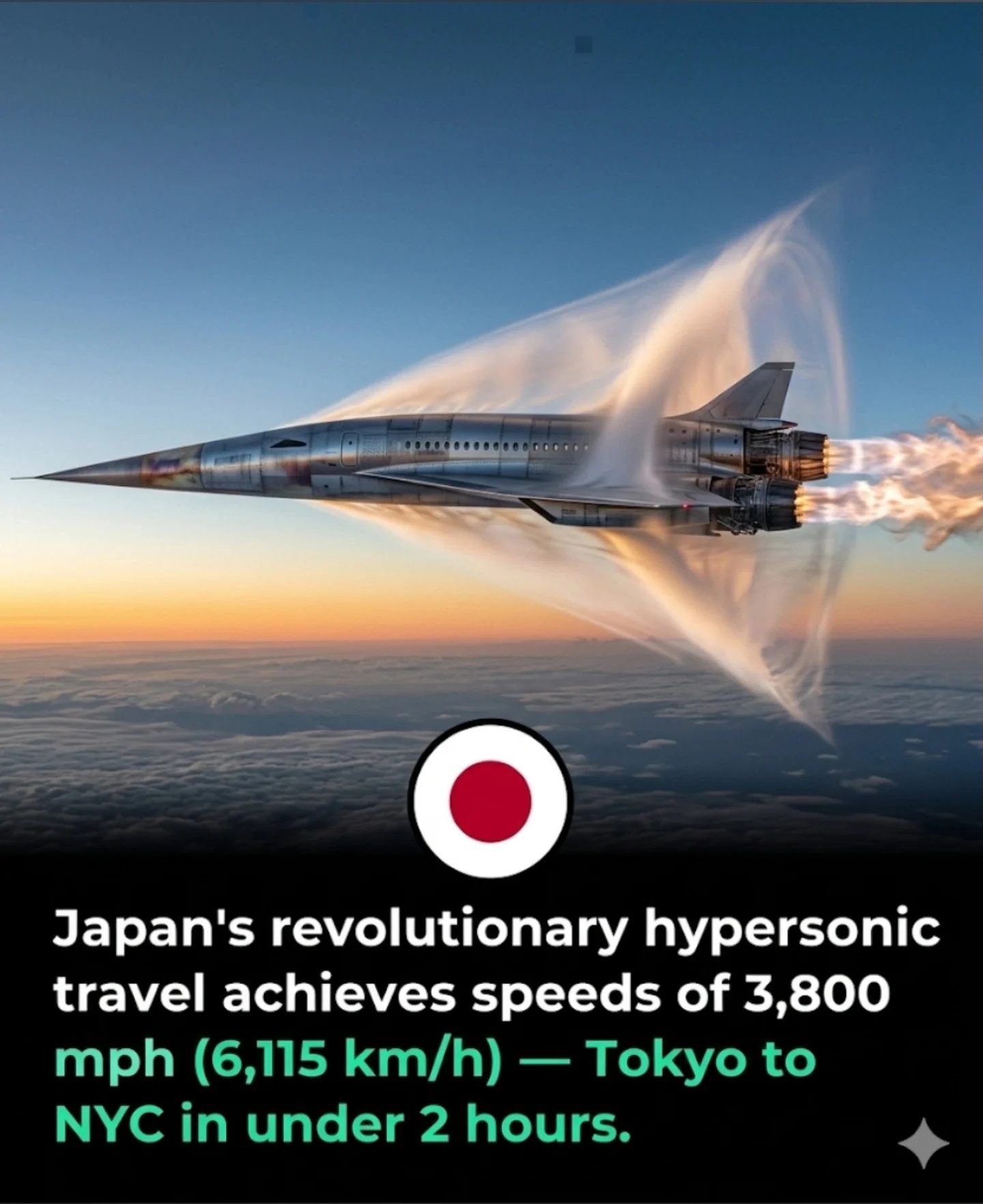
Hypersonic Travel: The Future of Ultra-Fast Aviation
Hypersonic travel, the ability to fly at speeds greater than Mach 5 (around 3,800 mph or 6,115 km/h), represents a monumental leap in aerospace engineering. Japan is at the forefront of this revolutionary technology, with a hypersonic jet capable of drastically reducing travel times between distant cities.
Why This Matters
The potential of hypersonic travel extends far beyond mere speed. It promises to redefine global connectivity, making distant destinations accessible in a fraction of the time required by conventional aircraft. This technological advancement could have profound implications for business, tourism, and emergency response.
The Science Behind Hypersonic Flight
Achieving Hypersonic Speeds
To achieve hypersonic speeds, aircraft must overcome significant aerodynamic and thermal challenges. Traditional jet engines cannot sustain such speeds due to the intense heat and pressure generated. Instead, hypersonic aircraft utilize advanced propulsion systems, such as scramjets, which can maintain combustion at supersonic speeds.
Propulsion Systems
Scramjets, or Supersonic Combustion Ramjets, are a type of engine designed for hypersonic flight. Unlike traditional jet engines, scramjets do not have rotating parts and rely on the forward motion of the aircraft to compress incoming air. This design allows for sustained combustion at speeds up to Mach 15 and beyond.
Materials and Thermal Protection
The extreme heat generated at hypersonic speeds necessitates the use of advanced materials and thermal protection systems. Specialized coatings and heat-resistant materials are employed to shield the aircraft's structure from the intense temperatures, ensuring structural integrity and safety.
Hypersonic Travel: Japan's Breakthrough
Japan’s development of hypersonic travel technology is a testament to its advanced aerospace capabilities. The hypersonic jet, capable of speeds up to 3,800 mph, could revolutionize international travel. For instance, the journey from Tokyo to New York City, which currently takes around 14 hours, could be reduced to under two hours.
The Impact on Global Connectivity
Redefining International Travel
Hypersonic travel has the potential to transform international travel by significantly reducing flight times. This could make it feasible for people to commute between continents, changing the way we think about distance and accessibility. For example, a business trip from Tokyo to New York could be completed in a single day, allowing for more frequent and efficient travel.
Economic and Social Implications
The economic and social implications of hypersonic travel are vast. Faster travel times could lead to increased trade and tourism, fostering greater economic growth and cultural exchange. Additionally, the ability to quickly transport goods and people could enhance emergency response capabilities, improving disaster relief and humanitarian efforts.
Practical Tips for Future Travelers
While hypersonic travel is still in its developmental stages, there are several practical considerations for future travelers:
-
Understand the Technology: Familiarize yourself with the basics of hypersonic flight and the technology behind it. This knowledge can help you better appreciate the experience and understand the safety measures in place.
-
Prepare for Rapid Travel: Hypersonic flights will significantly reduce travel times, which means you’ll need to adjust your planning. Consider how you will spend your extra time and how this will impact your itinerary.
-
Health and Safety: Be aware of the health and safety considerations associated with high-speed travel. This includes understanding the effects of rapid acceleration, high altitudes, and the potential for extreme temperatures.
Important Takeaways
The Future is Here
Hypersonic travel is no longer a concept of science fiction. With Japan leading the way, the future of aviation is rapidly approaching. This breakthrough in aerospace engineering promises to drastically reduce travel times, making distant destinations more accessible than ever before.
Embrace the Change
As hypersonic travel becomes a reality, it will be essential to embrace the changes it brings. This includes adapting to faster travel times, new safety measures, and the potential for increased global connectivity.
Stay Informed
Staying informed about the latest developments in hypersonic travel can help you prepare for the future. Keep an eye on advancements in technology and safety measures, and be ready to adapt to the new possibilities that hypersonic travel will bring.
Conclusion
Hypersonic travel represents a groundbreaking advancement in aerospace engineering, with Japan at the forefront of this revolution. The ability to fly at speeds of 3,800 mph could drastically reduce international travel times, redefining global connectivity and opening new possibilities for business, tourism, and emergency response. As we look to the future, embracing the potential of hypersonic travel will be key to unlocking its full benefits and preparing for a new era of aviation.
Watch the Reel
Questions readers ask
How fast is the hypersonic jet being developed by Japan?
Japan's hypersonic jet is designed to travel at speeds greater than Mach 5, which is approximately 3,800 mph or 6,115 km/h. This speed is significantly faster than conventional aircraft, making it possible to reduce travel times between distant cities, such as Tokyo and New York, to under two hours.
What are the potential benefits of hypersonic travel?
Hypersonic travel can make distant destinations accessible in a fraction of the time required by conventional aircraft, enhancing global connectivity. This advancement could greatly benefit various sectors, including business, tourism, and emergency response, by enabling faster transportation of people and goods.
What makes Japan a leader in hypersonic technology?
Japan is at the forefront of hypersonic technology due to significant advancements in aerospace engineering. The country is investing in research and development to create ultra-fast aircraft that can revolutionize global travel, demonstrating a strong commitment to pushing the boundaries of aviation.
How does hypersonic speed compare to the speed of conventional aircraft?
Hypersonic speeds are greater than Mach 5, while conventional aircraft typically travel at speeds around Mach 0.75 to 0.85. This means hypersonic jets are roughly five to six times faster than conventional aircraft, drastically reducing travel times for long-distance flights.
What are the key engineering challenges in developing a hypersonic jet?
Developing a hypersonic jet involves overcoming significant engineering challenges, such as managing extreme heat generated by high-speed flight, ensuring structural integrity, and maintaining aerodynamic stability. Researchers must also focus on creating efficient propulsion systems and advanced materials capable of withstanding the harsh conditions of hypersonic flight.
How might hypersonic travel impact business and tourism?
Hypersonic travel could greatly impact business and tourism by enabling quicker, more efficient travel between distant locations. For businesses, this means faster global operations and easier access to international markets. For tourists, it opens up the possibility of exploring more destinations within shorter time frames, enhancing overall travel experiences.
What are the implications of hypersonic travel for emergency response?
Hypersonic travel can significantly enhance emergency response capabilities by allowing for rapid deployment of resources and personnel to distant locations. This speed could be crucial in situations where time is of the essence, such as natural disasters or medical emergencies, potentially saving lives and minimizing damage.
Related deep dives
Similar reads based on topic and creator.




Recent articles
Fresh deep dives from the latest Reels we unpacked.




Comments
Be the first to comment.