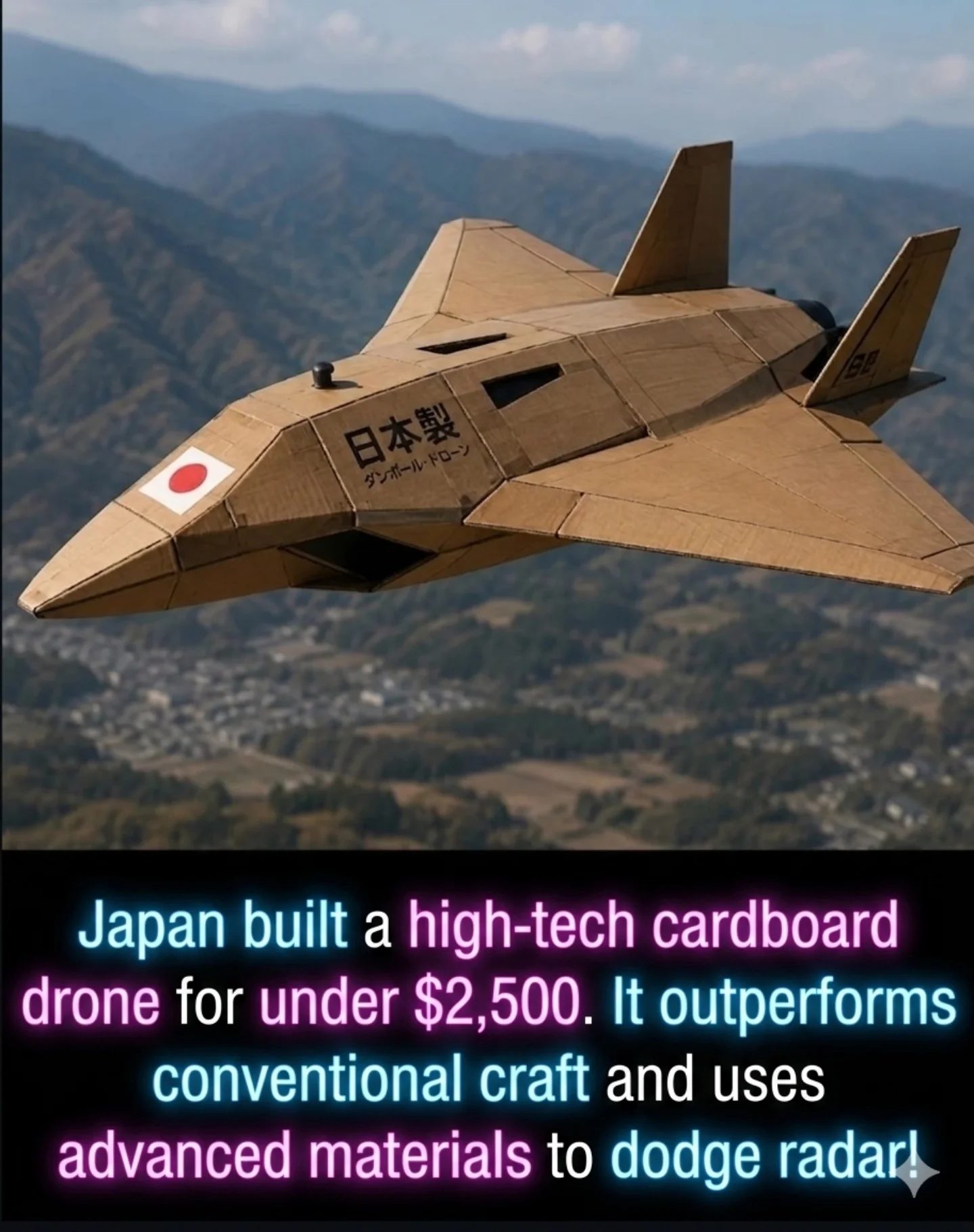
Cardboard Drones: The Future of Low-Cost Military Technology
Cardboard drones represent a groundbreaking advancement in military technology, offering a cost-effective and tactical solution for various missions. These drones, often constructed from materials like precision-cut, waxed foamboard or heavy-duty cardboard, are designed to be expendable and affordable. The concept gained significant attention through the SYPAQ Corvo Precision Payload Delivery System (PPDS), an Australian-designed "cardboard drone" widely used in modern conflicts. Additionally, recent developments in Japan, such as the AirKamuy 150, highlight the global shift toward these innovative platforms.
Context: Why This Matters
The rise of cardboard drones signals a strategic shift in military technology. Traditional military drones are often expensive, complex, and difficult to replace. In contrast, cardboard drones offer a more economical and tactical solution. Their affordability and simplicity make them an attractive option for logistics, resupply, and even combat missions. This shift is particularly notable as nations look to reduce costs and increase the flexibility of their military operations.
Main Discussion
Materials and Stealth
The use of cardboard and foamboard in drone construction is not just a cost-saving measure. The lack of metal in the airframe gives these drones a low radar cross-section, making them naturally difficult for traditional air defense systems to detect and intercept. This stealth capability is a significant advantage, allowing these drones to evade detection and complete their missions more effectively.
Logistics and Deployment
Cardboard drones are designed for rapid field assembly. Typically shipped as "flat-packs," they can be easily transported and assembled using basic adhesives and rubber bands. This design allows for high-volume transport and deployment by small infantry units, reducing the need for specialized logistical support. The simplicity of their construction and deployment makes them an ideal solution for rapid response situations.
Performance vs. Cost
Despite their low cost, cardboard drones offer impressive performance. Units typically cost between $2,000 and $3,500, yet they boast a flight range of up to 120 km (75 miles). These drones are often programmed via a tablet to fly autonomously using GPS or inertial navigation, enabling them to operate even in environments where electronic jamming is prevalent. This combination of performance and cost-effectiveness makes them a formidable addition to any military arsenal.
Tactical Utility
Initially designed for logistics and resupply, cardboard drones have been successfully adapted for a variety of tactical missions. They are used for intelligence, surveillance, and even "kamikaze" strike missions. Their extreme affordability creates an asymmetric advantage, as it often costs an adversary significantly more to use a high-tech missile to shoot down a single $2,500 drone. This cost imbalance makes cardboard drones a strategic asset in modern military operations.
Practical Tips
When considering the use of cardboard drones, it is essential to understand their unique advantages and limitations. Here are some practical tips for maximizing their effectiveness:
Training and Deployment
Ensure that military personnel are well-trained in the rapid assembly and deployment of cardboard drones. Since these drones are designed for quick setup, having a team that can efficiently assemble and deploy them in various field conditions is crucial.
Mission Planning
Plan missions that leverage the drones' stealth and affordability. For example, use them for reconnaissance missions in areas with heavy air defense, or for resupply operations where traditional drone use might be too costly.
Maintenance and Logistics
Regularly check the integrity of the cardboard and foamboard material. While these materials are durable, environmental factors like humidity and temperature can affect their performance. Proper storage and transport conditions are essential to maintain the drones' functionality.
Adaptation for Different Missions
Explore different payload and mission configurations. Cardboard drones can be adapted for various missions, from surveillance to "kamikaze" strikes. Innovate with different payloads and mission profiles to get the most out of these drones.
Important Takeaways
Cost-Effective Military Solution
The affordability of cardboard drones makes them an attractive solution for military operations that require high volume, low-cost, and expendable assets. Their low radar cross-section adds a layer of stealth that traditional drones often lack.
Tactical Flexibility
The versatility of cardboard drones in various missions, from logistics to combat, makes them a valuable asset in modern warfare. Their ability to operate in environments with electronic jamming further enhances their tactical utility.
Ease of Deployment
The rapid assembly and deployment of cardboard drones from flat-packs allow for efficient use in field operations. This design reduces the need for specialized logistical support, making them an ideal solution for small infantry units.
Conclusion
Cardboard drones represent a significant advancement in military technology, offering a cost-effective and tactical solution for various missions. Their stealth, ease of deployment, and adaptability make them a valuable asset in modern warfare. As nations continue to explore this technology, the potential applications and strategic advantages of cardboard drones will only expand, shaping the future of military operations.
Watch the Reel
Questions readers ask
What makes cardboard drones like the AirKamuy 150 a game-changer in military operations?
Cardboard drones offer several advantages for military use. They are stealthy, affordable, and easy to assemble. These drones can be quickly deployed for missions, providing a practical and cost-effective solution.
How do materials like cardboard and foamboard contribute to the stealth capabilities of these drones?
Materials such as cardboard and foamboard are lightweight and have low radar signatures, making them difficult to detect. This stealth capability is crucial for military operations where detection could compromise the mission.
What is the SYPAQ Corvo Precision Payload Delivery System (PPDS) and how has it influenced the development of cardboard drones?
The SYPAQ Corvo PPDS is an Australian-designed cardboard drone known for its precision payload delivery. It has gained significant attention in modern conflicts, influencing global developments in cardboard drone technology, including Japan's innovations.
Can you build a cardboard drone for under $500?
Yes, one of the key advantages of cardboard drones is their affordability. Many designs, including the SYPAQ Corvo and the AirKamuy 150, can be assembled for under $500, making them accessible for various applications.
Are cardboard drones designed to be expendable?
Yes, cardboard drones are often designed to be expendable. Due to their low cost and easy assembly, these drones can be used for missions where the risk of loss is high, without significant financial impact.
How does Japanese drone technology compare to traditional military drones?
Japanese drone technology, such as the AirKamuy 150, offers a more affordable and quickly assembled alternative to traditional military drones. These cardboard drones provide similar capabilities but at a fraction of the cost, making them a strategic choice for various missions.
Related deep dives
Similar reads based on topic and creator.




Recent articles
Fresh deep dives from the latest Reels we unpacked.




Comments
Be the first to comment.