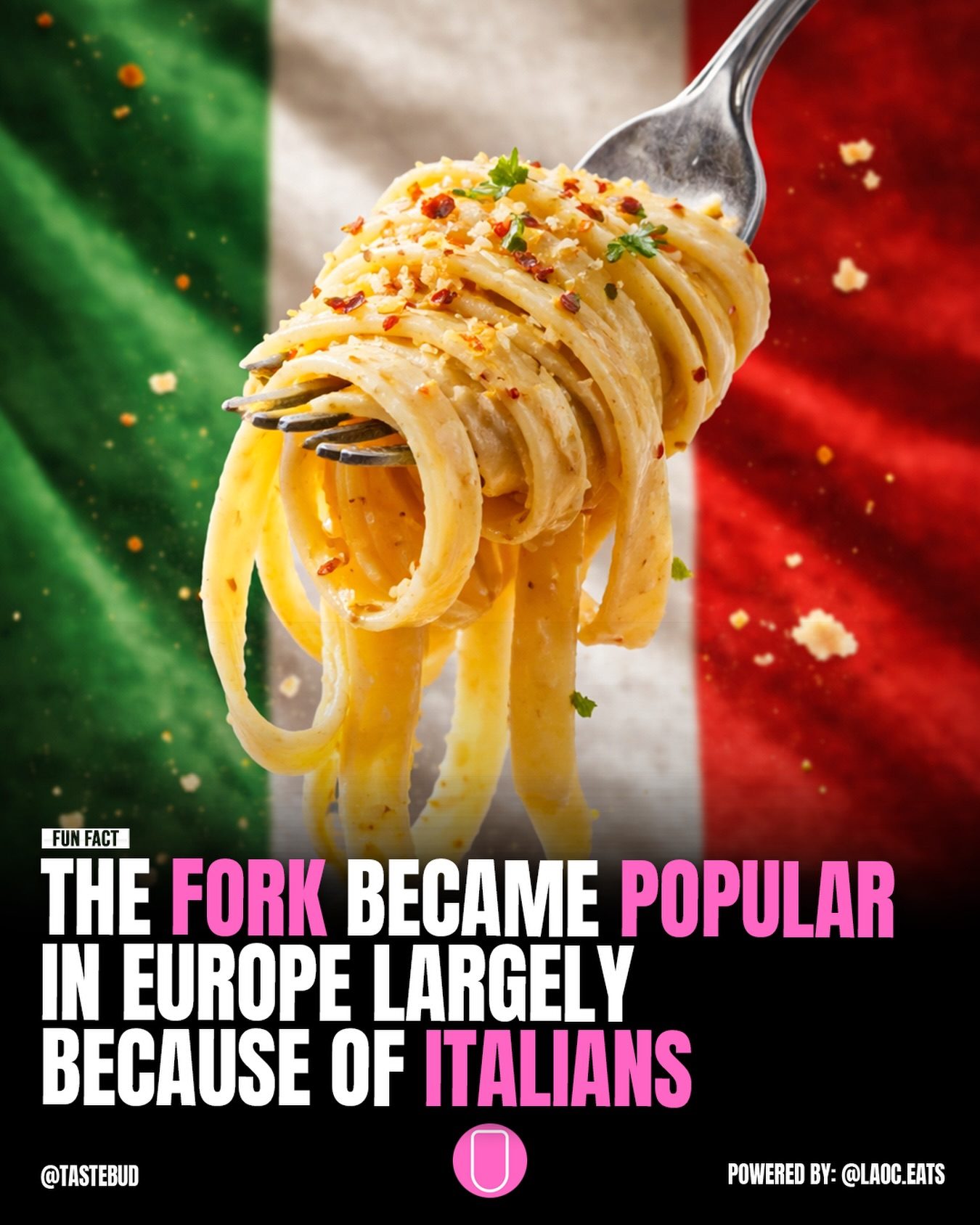
The Evolution of the Fork and Its Impact on European Dining
The fork is a ubiquitous utensil in modern dining, but its journey to becoming a staple in European households is a fascinating tale of cultural evolution and culinary innovation. The shift from using hands and knives to forks, particularly in Italy, played a significant role in shaping how Europeans eat today.
Context: Why This Matters
Understanding the history and evolution of the fork provides valuable context for appreciating modern dining customs. The fork's popularity is intertwined with the development of European cuisine and the spread of Italian dining customs across the continent.
The Fork in Medieval Europe
During the Middle Ages, most Europeans relied on their hands, knives, and pieces of bread to eat their meals. Forks, though they existed earlier, were often considered unusual or unnecessary. The lack of widespread use can be attributed to practical and cultural reasons. Eating with hands was more intuitive and efficient, and knives were versatile for both cutting food and self-defense. Bread was used to scoop up sauces and soak up gravy, serving as a convenient utensil.
The Rise of the Fork in Italy
Forks began to appear in wealthy Italian households around the 11th century. These early forks were primarily used for eating specific dishes, such as pasta and rice. The use of forks gradually became more common during the Renaissance, a period marked by cultural and artistic flourishing. The Renaissance saw a shift towards more refined dining practices, including the use of utensils.
Italians were among the first to embrace the fork on a larger scale, especially for eating pasta. The design of the fork evolved to better suit the needs of Italian cuisine, with prongs that could easily pierce and hold pasta. This adaptation made the fork a practical tool for enjoying pasta dishes, which required a utensil to manage the slippery strands.
The Spread of Italian Dining Customs
Italian dining customs, including the use of forks, spread across Europe through royal courts and cultural influence. As Italian nobility and aristocracy gained prominence, their culinary practices were adopted by other European courts. The fork became a symbol of sophistication and refinement, and its use was gradually embraced by the broader population.
The Evolution of European Dining
Pasta, in particular, played a crucial role in popularizing the fork. The versatility of pasta dishes, from simple spaghetti with tomato sauce to more elaborate creations with cheese and spices, showcased the fork's utility. The close-up shot showcasing a forkful of spaghetti, covered in cheese and red pepper flakes, exemplifies this culinary practice, rooted in Italian tradition.
Practical Tips for Enjoying Pasta with a Fork
While the fork's history may not directly impact your dining experience, understanding its evolution can enhance your appreciation for the meal. Here are some practical tips for enjoying pasta with a fork:
-
Choose the Right Fork: Opt for a fork with wide, flat prongs that can easily grip pasta. This design makes it easier to twirl long strands like spaghetti.
-
Dine Like an Italian: Embrace the traditional Italian way of eating pasta. Use your fork to twirl the pasta around the prongs, creating a neat bundle that's easier to eat.
-
Pair with the Right Sauce: Different sauces pair well with specific types of pasta. For example, thinner pasta shapes like spaghetti work well with lighter sauces, while thicker shapes like rigatoni can handle chunkier sauces.
-
Enhance with Cheese: Adding a sprinkle of cheese, such as Parmesan, can enhance the flavor of your pasta. The cheese melts slightly, creating a creamy texture that complements the sauce.
Important Takeaways
The fork's journey from an unusual utensil to a staple in European dining is a testament to the evolution of culinary practices. The Italian influence on European dining customs cannot be overstated, as it popularized the use of forks and introduced new ways of enjoying food. Understanding this history adds depth to the simple act of eating pasta with a fork.
Conclusion
The next time you pick up a fork to enjoy a plate of pasta, take a moment to appreciate the rich history behind this seemingly mundane utensil. From its origins in Italy to its widespread adoption across Europe, the fork has played a pivotal role in shaping modern dining customs. Whether you're a pasta enthusiast or simply curious about culinary history, the fork's story offers a fascinating glimpse into the world of European cuisine.
Watch the Reel
Related deep dives
Similar reads based on topic and creator.




Recent articles
Fresh deep dives from the latest Reels we unpacked.




Comments
Be the first to comment.