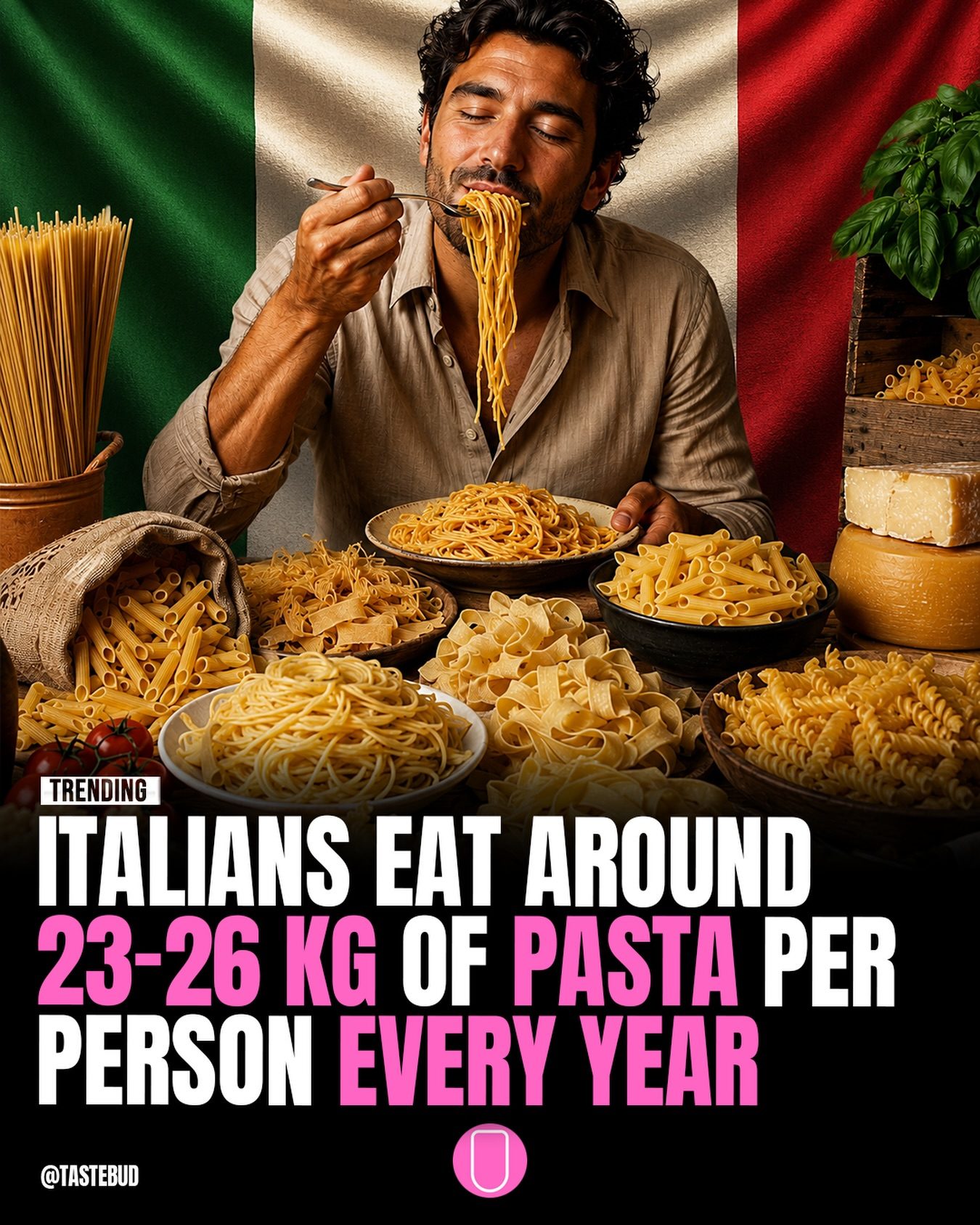
Pasta Consumption in Italy
Pasta is a staple food in Italy, with Italians consuming around 23 to 27 kilograms per person each year. This places Italy at the top of the list globally for pasta consumption, but it's not about excessive portions or overeating. Pasta is deeply ingrained in Italian culture, from quick weekday lunches to family dinners on Sundays.
Context
Why It Matters
Understanding Italy's pasta consumption provides insight into the country's culinary traditions and cultural heritage. Pasta is more than just a food item; it's a symbol of Italian identity and a key element in social gatherings and family meals. Recipes are often passed down through generations, making pasta an integral part of Italian heritage.
Main Discussion
The Role of Pasta in Italian Cuisine
Pasta plays a central role in Italian cuisine, appearing in a variety of dishes that cater to different tastes and preferences. From spaghetti and lasagna to ravioli and macaroni, the versatility of pasta makes it a cornerstone of Italian cooking. The variety of pasta shapes and sizes allows for a multitude of culinary creations, each with its unique flavor and texture.
Traditional Pasta Dishes
Traditional Italian pasta dishes are often simple yet flavorful. Ingredients are fresh and locally sourced, enhancing the taste and nutritional value of the dish. Some popular traditional pasta dishes include:
- Spaghetti alla Carbonara: A Roman dish made with spaghetti, eggs, cheese, pancetta (cured pork), and black pepper.
- Cacio e Pepe: Another Roman dish featuring tonnarelli (square spaghetti) tossed with pecorino Romano cheese and black pepper.
- Ravioli: These are typically filled with meat, cheese, or vegetables, and served with a variety of sauces.
Pasta as a Cultural Icon
Pasta is more than just a meal in Italy; it's a cultural icon. It represents the warmth of family gatherings, the joy of sharing a meal with friends, and the comfort of home. The ritual of making and eating pasta is a deeply personal and communal experience, passed down from generation to generation.
Pasta in Everyday Life
From quick weekday lunches to elaborate family dinners on Sundays, pasta is a staple in Italian daily life. It's a quick and easy meal option for busy weekdays, and a comforting, hearty dish for family gatherings. The simplicity and versatility of pasta make it an ideal choice for various occasions.
The Art of Making Pasta
Making pasta from scratch is an art form in Italy. Fresh pasta is often preferred for its delicate texture and superior taste. The process involves mixing flour and eggs, kneading the dough, and then rolling it out to the desired thickness. This labor of love results in a pasta that is both delicious and nutritious.
Types of Pasta
There are numerous types of pasta, each with its unique shape and texture. Some of the most popular types include:
- Spaghetti: Long, thin strands often served with tomato-based sauces.
- Lasagna: Wide, flat sheets used in layered dishes with meat and cheese.
- Ravioli: Square or round pasta filled with cheese, meat, or vegetables.
- Macaroni: Short, tube-shaped pasta often used in baked dishes.
Practical Tips
Choosing the Right Pasta
When choosing pasta, consider the dish you plan to make. Different shapes and sizes of pasta pair better with specific sauces and ingredients. For example, spaghetti is ideal for lighter tomato-based sauces, while lasagna sheets are perfect for layered dishes.
Cooking Pasta Perfection
Cooking pasta to perfection involves a few simple steps. First, bring a large pot of salted water to a boil. Add the pasta and cook according to the package instructions until al dente. Drain the pasta, reserving some pasta water for adjusting the sauce consistency. Toss the pasta with your chosen sauce and serve immediately.
Storing Pasta
Properly storing pasta is essential for maintaining its freshness. Fresh pasta should be stored in an airtight container in the refrigerator and used within a few days. Dried pasta can be stored in a cool, dry place for several months.
Important Takeaways
The Cultural Significance of Pasta
Pasta is a cultural treasure in Italy, representing tradition, family, and community. Its versatility and simplicity make it a beloved part of daily life, from casual meals to special occasions. Understanding the role of pasta in Italian culture offers a deeper appreciation for the country's culinary heritage and the bonds it creates among people.
The Versatility of Pasta
Pasta is incredibly versatile, with a wide range of shapes, sizes, and types to suit various dishes and preferences. Whether you prefer spaghetti, lasagna, or ravioli, there's a pasta dish to satisfy every palate.
Conclusion
Pasta consumption in Italy is more than just a dietary habit; it's a way of life. From the simplicity of everyday meals to the joy of family gatherings, pasta is a central part of Italian culture. Its versatility, delicious taste, and cultural significance make it a cherished part of Italian identity. Whether you're a seasoned pasta maker or a curious food enthusiast, exploring the world of pasta offers a rich and rewarding culinary adventure.
Watch the Reel
Questions readers ask
How does pasta consumption in Italy compare to other countries?
Italy leads the world in pasta consumption, with each person eating around 23-27kg per year. This is significantly higher than in other countries, with the average person in the USA, for example, consuming around 8.8kg annually.
What role does pasta play in Italian food habits?
Pasta is a fundamental part of Italian food habits, consumed daily in various forms. It is enjoyed in quick lunches, family dinners, and special occasions, reflecting its importance in the daily diet and social life.
How is pasta integrated into Italian cultural heritage?
Pasta is more than just a food in Italy. It's a cultural icon that has been passed down through generations. Traditional recipes and pasta dishes are often preserved and cherished as part of Italian heritage.
Why is pasta considered a symbol of Italian identity?
Pasta is deeply rooted in Italian history and traditions. It is a common thread that unites different regions of Italy, with each area boasting its unique pasta shapes and sauces, reflecting local ingredients and customs.
What types of pasta are most commonly eaten in Italy?
Italy boasts a wide variety of pasta shapes and types. Some of the most common include spaghetti, penne, fusilli, and lasagne. Each type is often paired with specific sauces and ingredients, reflecting regional preferences and traditions.
Related deep dives
Similar reads based on topic and creator.




Recent articles
Fresh deep dives from the latest Reels we unpacked.




Comments
Be the first to comment.