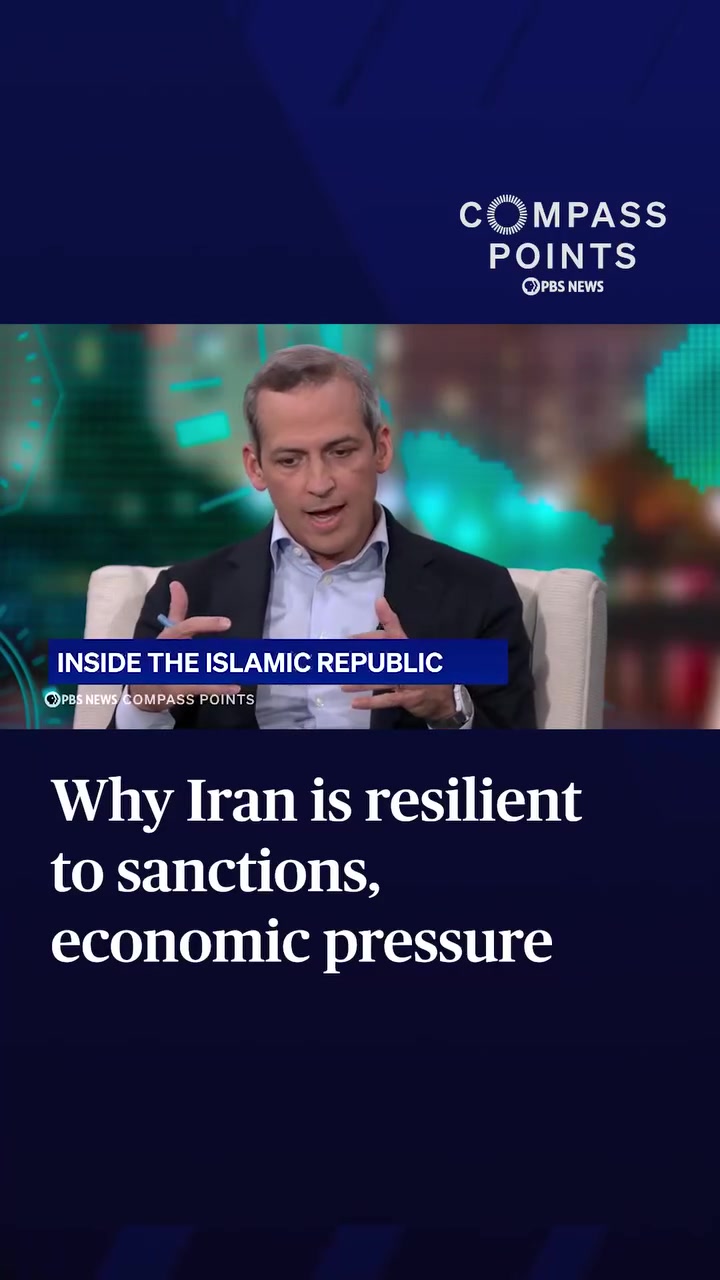
The decline in Iran's currency has been catastrophic, with 89 percent inflation and food prices surging more than 125 percent. This economic pressure campaign by the U.S. aims to block imports and exports to Iran, but the regime and its people have shown remarkable resilience in the face of such challenges.
The Economics of Destabilization
Iran's economic woes are nothing new. For decades, the U.S. has employed an economic pressure campaign to destabilize the Islamic Republic, using sanctions and naval blockades as tools. However, this approach has not yielded the intended results. Instead, Iran has adapted to the pressure, finding ways to sustain its economy and defy U.S. efforts. This resilience underscores a broader pattern of Iran's ability to withstand external economic shocks and maintain stability. The U.S. sanctions against Iran have been multifaceted, with a naval blockade aiming at blocking both the country's imports and oil exports. The sanctions have led to hyperinflation, with the inflation rate reaching 89 percent in recent months. Moreover, food prices have increased by over 125 percent. This economic turmoil has put immense pressure on the Iranian people, but Iranians have not given up in the face of adversity. With wages buying significantly less due to inflation, the average Iranian is struggling. However, Reza Sayah, a correspondent for PBS News Hour, notes that despite the economic difficulties, supermarkets are full, people are shopping, and gas is readily available. This paradox highlights Iran's ability to maintain its economic infrastructure under immense pressure. Iran's resilience is fueled by its welfare state, which offers free education and universal health care to its citizens. Additionally, the country's strong religious and community support plays a vital role in helping families cope with the economic crisis. Additionally, some unspoken factions in Iran have found benefits from these sanctions. These enthusiasts of sanctions are not giving up on their black market endeavors.
A History of Resilience
Iran's resilience to economic pressure is deeply rooted in its history. The country has faced numerous economic challenges, including those imposed by the U.S., for decades. Despite the worst-case scenarios presented by the U.S., Iran remains steadfast in its resolve. The U.S. has employed various tactics to destabilize Iran, including military campaigns, embargoes, and economic sanctions. However, Iranians have adapted to these pressures, finding ways to sustain their lives and livelihoods. This resilience has been a key factor in the country's ability to endure economic isolation and maintain its sovereignty.
The Role of Community and Culture
The culture of Iran, deeply influenced by religious practices, is one of resilience. This resilience has led to the formation of strong communities as well as religious groups. These groups come together to support each other during difficult times, as seen in Iran's response to economic pressures. Their support is critical in helping families get through tough economic periods. Through the country's support system, Iran is able to survive the pressures of sanctions and create a sense of unity.
The Black Market: An Unspoken Benefit
Despite the immense difficulties that come with economic sanctions, certain factions in Iran have gained from the situation. These factions, who remain rarely heard of, have found opportunities in the black market, using it as a means to sell oil. Their activities, driven by the unspoken sanctions, have been beneficial to them and may play a role in their ability to withstand the effects of the sanctions.
Watch the Reel
Questions readers ask
How has Iran managed to maintain its economic infrastructure despite the severe inflation and price increases?
Iran has maintained its economic infrastructure through a combination of factors. The country's welfare state, which provides free education and universal healthcare, has helped cushion the blow of economic hardships. Additionally, strong community and religious support systems have played a crucial role in helping families cope with the crisis. Even with food prices surging over 125 percent, supermarkets remain stocked, and essentials like gas are available, showcasing the resilience of Iran's economic system.
What specific measures has the U.S. taken to impose economic pressure on Iran?
The U.S. has employed a variety of measures, including multifaceted sanctions and naval blockades. These tactics aim to block Iran's imports and exports, particularly its oil exports, which are crucial for the country's economy. The sanctions have led to hyperinflation, with inflation rates reaching 89 percent, and significant increases in food prices.
How has Iran's culture and community support system contributed to its resilience against economic sanctions?
Iran's culture, deeply rooted in religious practices, has fostered a strong sense of community and mutual support. This cultural resilience has enabled Iranians to form tight-knit groups that help each other during tough times. The country's welfare state, which provides essential services like education and healthcare, complements this community support, allowing Iran to withstand economic pressures more effectively.
What are some of the ways Iranians have adapted to the economic pressures imposed by the U.S.?
Iranians have shown remarkable adaptability in the face of economic pressures. Despite the severe inflation and price increases, people continue to shop and access essential services. The country's welfare system and strong community support networks have been instrumental in helping individuals and families cope with the economic hardships. Additionally, some groups have found ways to benefit from the sanctions through black market activities.
How does Iran's historical experience with economic challenges contribute to its current resilience?
Iran's history is marked by numerous economic challenges, including those imposed by the U.S. over decades. This long-standing experience has taught Iranians to adapt and find ways to sustain their lives and livelihoods. The country's resilience is a result of its ability to endure economic isolation and maintain sovereignty, even in the face of severe pressures.
What role does the Iranian government play in helping its citizens cope with the economic crisis?
The Iranian government provides a robust welfare system that offers free education and universal healthcare, which helps mitigate the impact of economic hardships on its citizens. This welfare state, combined with strong community and religious support, enables Iran to maintain stability and resilience despite the economic pressures imposed by the U.S. sanctions.
How have Iranian citizens reacted to the severe economic conditions, and what does this reveal about their resilience?
Despite the severe economic conditions, Iranian citizens have shown remarkable resilience. They continue to shop, access essential services, and maintain their daily lives. This resilience is a testament to the strength of their community and cultural support systems, which have helped them endure the economic pressures imposed by the U.S. sanctions.
Recent articles
Fresh deep dives from the latest Reels we unpacked.




Comments
Be the first to comment.