Media and Narratives
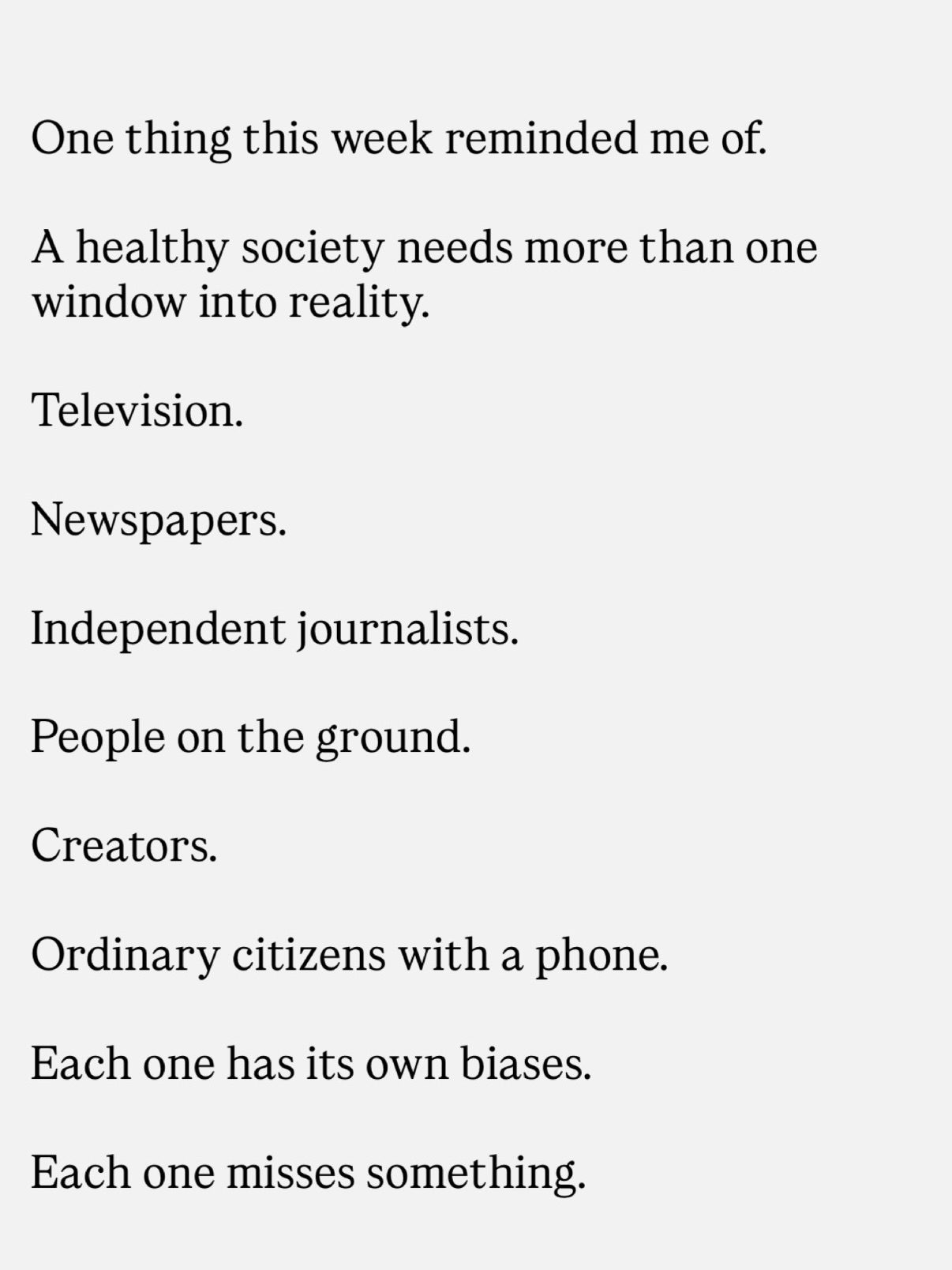
A healthy society thrives on diverse perspectives, and multiple media sources contribute to a broader understanding of reality. We all consume information from various outlets, and each one brings a unique viewpoint. Whether it's television, newspapers, independent journalists, or ordinary citizens with a smartphone, every source plays a crucial role in shaping our collective narrative.
Context
Understanding the importance of diverse media sources is critical in today's information-driven world. Media shapes public opinion, influences policy, and informs our daily decisions. The interplay between traditional media and new digital platforms has created a complex landscape where multiple narratives coexist. This pluralistic approach ensures that no single entity can dominate the narrative, fostering a more informed and democratic society.
The Role of Traditional Media
Traditional media—such as television and newspapers—have long been the primary sources of information for many people. These outlets often have established standards and ethical guidelines that help maintain a level of credibility and accuracy. They provide in-depth analysis, investigative journalism, and comprehensive coverage of major events, offering a deeper understanding of complex issues.
Television
Television broadcasts reach a wide audience, making it a powerful medium for disseminating information. News channels offer real-time updates and in-depth analysis, while documentary programs delve into specific topics. The visual and auditory nature of television makes it particularly effective in capturing viewers' attention and delivering impactful stories.
Newspapers
Newspapers have been a staple of society for centuries, providing daily updates, analysis, and opinion pieces. The printed word offers a level of clarity and depth that can be hard to match in other formats. Newspapers often employ seasoned journalists who bring extensive experience and expertise to their reporting, ensuring a high standard of professionalism.
Independent Journalists
Independent journalists play a crucial role in bringing fresh perspectives and uncovering stories that might otherwise be overlooked. They often operate outside the constraints of mainstream media, allowing them to pursue investigative work freely and cover niche topics. Their flexibility and independence make them invaluable in a diverse media landscape.
The Emergence of Digital Media
The advent of the internet has significantly altered the media landscape. It has democratized information, allowing anyone with an internet connection to access a wealth of knowledge. Bloggers, social media influencers, and ordinary citizens with smartphones now contribute to the narrative, adding layers of diversity and depth to our collective understanding.
People on the Ground
Citizen journalists and content creators on the ground provide firsthand accounts and perspectives, often from locations where traditional media might not have access. Their real-time reporting and user-generated content add a layer of authenticity and immediacy to the narrative. This grassroots approach helps in capturing the nuances and complexities of a situation that might be missed by larger media outlets.
The Internet's Contribution
The internet has ensured that no single entity can control the narrative. This decentralization of information means that various perspectives can coexist and challenge each other. It fosters a dynamic and inclusive media ecosystem where multiple narratives can thrive, preventing any single viewpoint from dominating.
Social Media
Social media platforms like Twitter, Facebook, and YouTube have become significant sources of information. They allow for the rapid dissemination of news and enable users to share their views and experiences in real-time. This immediacy and interactivity have made social media a powerful tool for both disseminating and challenging narratives.
Online Creators
Online creators, including bloggers, vloggers, and podcasters, have added a new dimension to the media landscape. They produce content that caters to niche audiences, often addressing topics that mainstream media might overlook. Their ability to reach a global audience and engage with their followers directly makes them influential storytellers.
The Role of Ordinary Citizens
Ordinary citizens with smartphones have become primary sources of news. They capture and share events as they unfold, providing raw and unfiltered perspectives. This grassroots approach to journalism has democratized news gathering, allowing anyone to contribute to the narrative.
Practical Tips for Navigating the Media Landscape
In a world with numerous media sources, it's essential to critically evaluate the information you consume. Here are some practical tips for navigating the complex landscape:
Verify Sources
Always verify the credibility of the source before accepting the information as true. Look for multiple sources to confirm the facts and cross-reference information to ensure accuracy.
Consider Biases
Recognize that each media source has its biases, whether it's a political lean, editorial bias, or a particular perspective. Be aware of these biases and critically evaluate how they might influence the narrative.
Seek Multiple Perspectives
Don't rely on a single source for information. Seek out diverse perspectives to get a well-rounded understanding of the topic. This approach helps in forming a more informed and balanced opinion.
Important Takeaways
The importance of diverse media sources cannot be overstated. Each source—from traditional media to digital platforms—offers unique perspectives and contributes to a richer understanding of reality. The internet, in particular, has ensured that no single narrative can dominate, fostering a more inclusive and dynamic media landscape.
Conclusion
In a healthy society, multiple windows into reality are essential. By embracing diverse media sources, we create a more comprehensive and nuanced understanding of the world around us. Whether it's through traditional outlets, digital platforms, or citizen journalism, the collective effort ensures that various narratives coexist and thrive, preventing any single entity from controlling the story.
Watch the Reel
Questions readers ask
Why is it important to have diverse narratives in society?
Diverse narratives are crucial for a healthy society as they provide a broader understanding of reality. They foster a more comprehensive view of the world, encouraging a variety of perspectives and preventing any single viewpoint from dominating public discourse. This diversity ensures that individuals are exposed to a wide range of ideas and information, promoting critical thinking and informed decision-making.
How does the internet contribute to the prevention of a single narrative controlling society?
The internet enables the proliferation of multiple narratives by providing a platform for various voices. It allows for the dissemination of information from traditional media outlets, independent journalists, and even ordinary citizens. This decentralization of information ensures that no single narrative can monopolize public discourse, fostering a more democratic and inclusive approach to information sharing.
What role do different media outlets play in shaping our collective narrative?
Different media outlets play a pivotal role in shaping our collective narrative by offering unique viewpoints and perspectives. Each outlet, whether it's television, newspapers, or digital platforms, contributes to the broader understanding of current events and societal issues. This diversity ensures that individuals have access to a variety of information, enabling them to form more well-rounded opinions and make informed decisions.
How has the interplay between traditional media and digital platforms affected public discourse?
The interplay between traditional media and digital platforms has created a complex and dynamic media landscape. Traditional media outlets often set the agenda for public discourse, while digital platforms allow for real-time feedback and diverse perspectives. This interplay ensures that multiple narratives coexist, preventing any single narrative from dominating and promoting a more inclusive and nuanced understanding of societal issues.
What are the benefits of having a pluralistic approach to media narratives?
A pluralistic approach to media narratives ensures that a variety of viewpoints are represented, preventing the dominance of any single narrative. This promotes a more inclusive and democratic society, where individuals have access to a wide range of information and perspectives. It also encourages critical thinking and informed decision-making, as people are exposed to diverse viewpoints and can form more well-rounded opinions.
What impact does the internet have on the way we consume and share information in society?
The internet has revolutionized the way we consume and share information. It provides a platform for diverse media outlets, allowing individuals to access a wide range of perspectives and narratives. This decentralization of information ensures that no single narrative can dominate, and allows for a more dynamic and inclusive information exchange. The internet enables real-time updates and feedback, fostering a more engaged and informed society.
How do independent journalists and ordinary citizens contribute to the internet narrative?
Independent journalists and ordinary citizens play a significant role in shaping the internet narrative. They provide grassroots perspectives and on-the-ground reporting, often filling gaps left by traditional media. Their contributions add depth and diversity to the public discourse, ensuring that a variety of voices are heard and that no single narrative can control the information being shared.
Related deep dives
Similar reads based on topic and creator.


Recent articles
Fresh deep dives from the latest Reels we unpacked.




Comments
Be the first to comment.