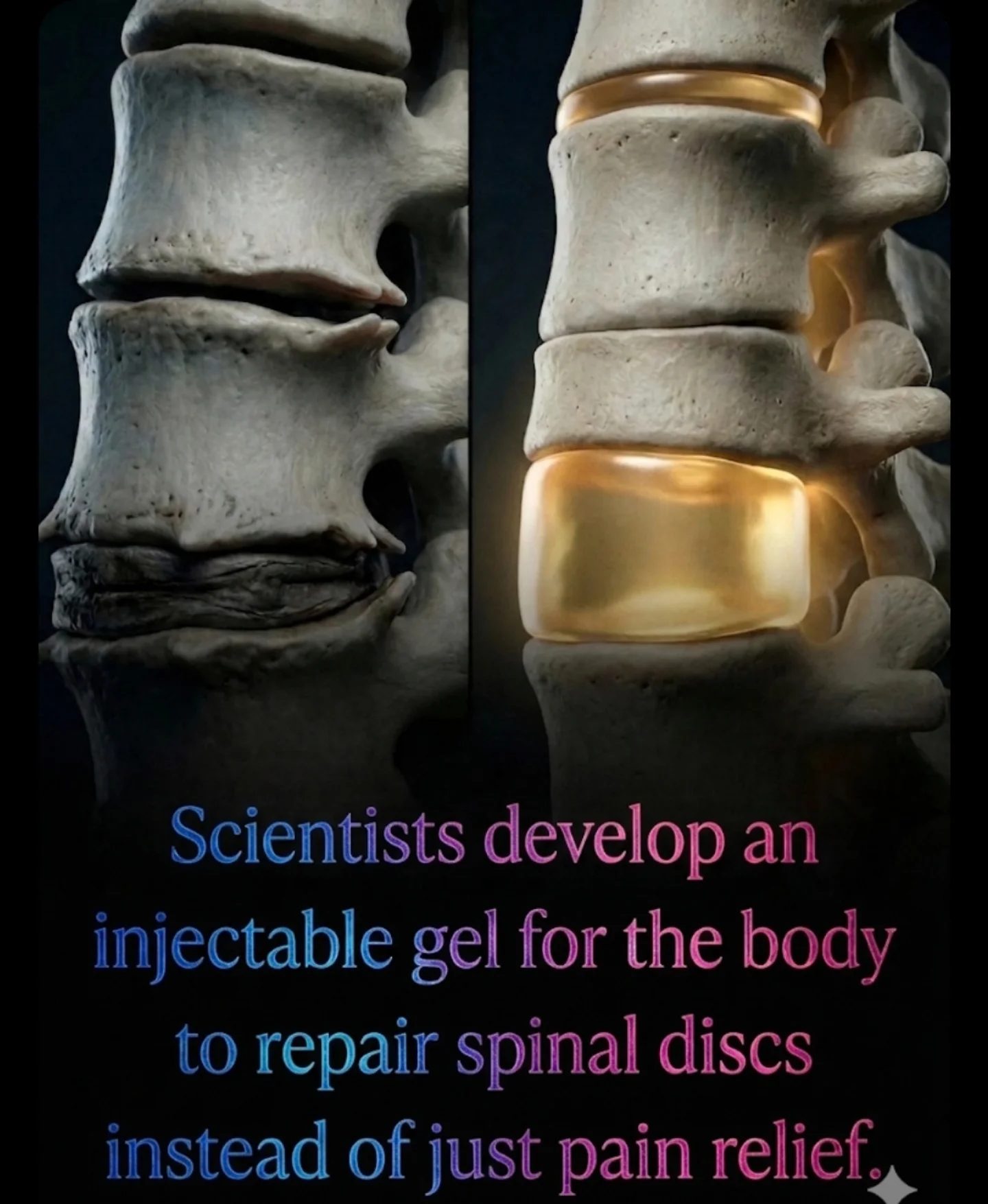
Spinal Disc Repair with Injectable Hydrogel
Spinal disc repair using an injectable hydrogel represents a groundbreaking advancement in treating degenerative disc disease. This innovative procedure aims to restore the natural function of the spine, rather than simply masking pain. The hydrogel, which mimics the shock-absorbing center of a spinal disc, is a biocompatible material designed to fill cracks and restore disc height, preserving the spine's flexibility.
Context / Why this matters
Degenerative disc disease is a common condition that affects millions of people worldwide. Traditional treatments often focus on managing pain through medications, physical therapy, or even surgical interventions like spinal fusion. However, these methods do not address the underlying structural issues of the damaged discs. The introduction of an injectable hydrogel offers a minimally invasive alternative that can potentially repair the disc and restore its natural function.
The hydrogel, known as Hydrafil, is a significant development in medical technology. It is designed to be injected into the damaged disc, where it cools and forms a solid, flexible filler. This process not only relieves pain but also aims to restore the disc's structure and function, providing long-term benefits for patients.
Main discussion
The Innovative Approach of Hydrafil
Hydrafil is a biocompatible gel that mimics the natural shock-absorbing properties of the nucleus pulposus, the gel-like center of a healthy spinal disc. Unlike traditional treatments that focus on pain management, Hydrafil aims to repair the disc itself. This makes it a versatile option for patients with degenerative disc disease, offering not just pain relief, but also structural restoration.
The procedure involves heating the hydrogel into a liquid form, which is then injected via a needle directly into the damaged disc. Once inside, the liquid cools and solidifies, forming a flexible filler that restores the disc's height and structure. This minimally invasive approach is a significant advantage over more invasive surgical procedures, such as spinal fusion, which can limit mobility and require extensive recovery time.
Minimally Invasive Procedure
The minimally invasive nature of this procedure is one of its key advantages. Unlike traditional surgeries that require extensive cutting and recovery time, the injectable hydrogel procedure is performed as an outpatient treatment. This means that patients can typically return home the same day, reducing the need for extended hospital stays and facilitating a quicker return to daily activities.
Structural Restoration
One of the most significant benefits of Hydrafil is its ability to restore the structure of the damaged disc. By filling cracks and restoring disc height, the hydrogel helps to maintain the spine's natural alignment and function. This is particularly important for preserving spinal mobility and preventing further degeneration.
Preservation of Spinal Flexibility
Unlike spinal fusion, which involves fusing two or more vertebrae together to immobilize the affected area, the injectable hydrogel allows the spine to remain flexible. This is crucial for maintaining a full range of motion and preventing additional strain on adjacent discs, which can occur with spinal fusion.
Advanced Clinical Trials and Breakthrough Device Status
The hydrogel procedure is currently in advanced clinical trials, demonstrating promising results for long-term pain relief. The U.S. FDA has granted it "Breakthrough Device" status, recognizing its potential to provide more effective treatment compared to existing alternatives. This designation allows for accelerated development and review, potentially bringing this innovative treatment to patients more quickly.
Practical Tips
For those considering this treatment, it's important to consult with a healthcare provider who specializes in spinal health. Ensure that all available treatment options are discussed, including the potential benefits and risks of the hydrogel procedure. Additionally, patients should be aware of the ongoing clinical trial status and the potential for further advancements in this technology.
Important Takeaways
- The injectable hydrogel, Hydrafil, represents a significant advancement in treating degenerative disc disease.
- The procedure is minimally invasive and can restore the structure and function of damaged spinal discs.
- Hydrafil aims to provide long-term pain relief and preserve spinal flexibility, unlike traditional spinal fusion.
- Currently in advanced clinical trials, the hydrogel has received "Breakthrough Device" status, indicating its potential for effective treatment.
Conclusion
The development of an injectable hydrogel for spinal disc repair offers a promising alternative to traditional treatments for degenerative disc disease. By restoring the natural function of the spine and providing long-term pain relief, this innovative procedure could significantly improve the quality of life for many patients. As the technology continues to advance and move through clinical trials, it holds the potential to revolutionize the field of spinal health and offer a more effective, less invasive treatment option.
Watch the Reel
Questions readers ask
What is degenerative disc disease and how does injectable hydrogel help?
Degenerative disc disease involves the breakdown of spinal discs, leading to pain and reduced mobility. Injectable hydrogel helps by filling cracks in the discs, restoring their height, and preserving the spine's natural flexibility, addressing the underlying structural issues.
How does the injectable hydrogel procedure compare to traditional spinal treatments?
Unlike traditional treatments that often focus on pain management, the injectable hydrogel procedure aims to restore the spine's natural function. It is a minimally invasive alternative to surgeries like spinal fusion, offering a non-surgical solution for disc pain relief.
What is the primary benefit of using a biocompatible gel for disc damage?
The primary benefit of using a biocompatible gel is that it mimics the natural shock-absorbing properties of a healthy spinal disc. This allows the gel to integrate seamlessly with the body, promoting healing and restoring the disc's function without adverse reactions.
How is the injectable hydrogel different from other non-surgical disc treatments?
The injectable hydrogel stands out because it directly addresses disc damage by restoring disc height and flexibility. Other non-surgical treatments, such as pain medication or physical therapy, may provide temporary relief but do not tackle the structural issues causing the pain.
What are the benefits of a minimally invasive procedure for spinal disc repair?
A minimally invasive procedure like the injectable hydrogel treatment offers several benefits, including reduced recovery time, lower risk of complications, and less discomfort compared to traditional surgical methods. It also allows patients to avoid the potential long-term issues associated with spinal fusion.
Can the injectable hydrogel procedure be used for all types of spinal disc damage?
The injectable hydrogel procedure is particularly effective for degenerative disc disease and other conditions involving disc height loss and cracks. However, its suitability may vary depending on the severity and specific type of disc damage, so a consultation with a healthcare provider is essential.
How soon can patients expect to see results after receiving the injectable hydrogel treatment?
Results can vary, but many patients report experiencing reduced pain and improved mobility within a few weeks. The full benefits of the treatment, including restored disc height and flexibility, may take several months as the hydrogel integrates with the disc tissue.
Recent articles
Fresh deep dives from the latest Reels we unpacked.




Comments
Be the first to comment.