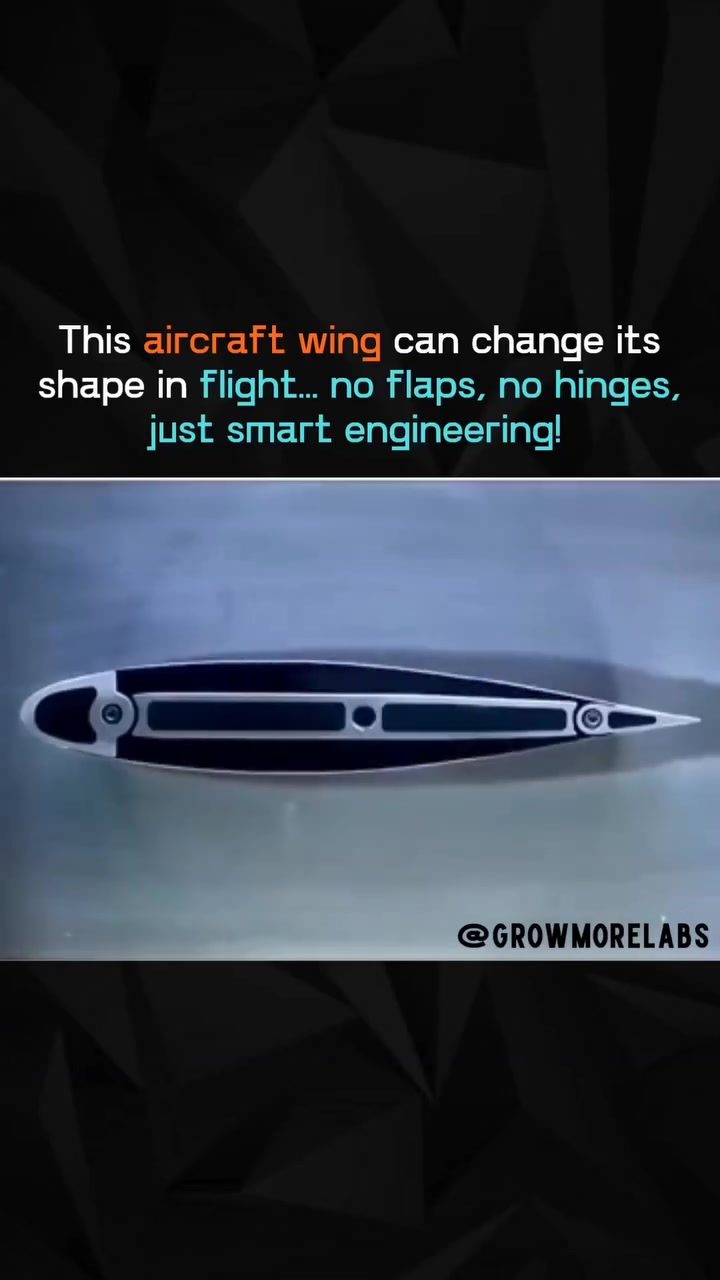
Shape-Shifting Aircraft Wings
Aircraft wings have traditionally been fixed structures, but recent advancements in engineering have introduced the concept of shape-shifting wings. These innovative wings can change their shape in flight, offering a range of benefits and possibilities for modern aircraft design.
Context / Why This Matters
The ability to change shape in flight without relying on traditional flaps or hinges represents a significant leap forward in aerodynamic efficiency and performance. This innovation is especially important in an era where fuel efficiency, maneuverability, and environmental impact are critical considerations in aircraft design.
Main Discussion
The Engineering Behind Shape-Shifting Wings
The design of shape-shifting aircraft wings leverages smart engineering principles to achieve flexibility and adaptability. This innovative approach allows the wing to morph seamlessly in response to changing flight conditions, optimizing lift and drag dynamics.
Key Points
No Flaps or Hinges: Traditional aircraft wings use flaps and hinges to alter their shape during flight. However, shape-shifting wings eliminate the need for these mechanical components, which can add weight and complexity to the aircraft.
Flexible Materials: The wings are built using flexible materials, allowing for a smooth and continuous change in shape. This flexibility is crucial for the wing's ability to adapt to varying flight conditions and improve overall performance.
Advantages of Shape-Shifting Wings
Shape-shifting wings offer several advantages over traditional wing designs. These include:
Improved Fuel Efficiency
By optimizing the wing's shape in real-time, aircraft can reduce drag and improve fuel efficiency. This not only lowers operating costs but also reduces the environmental impact of aviation.
Enhanced Maneuverability
The ability to change shape in flight allows for greater maneuverability, making aircraft more agile and responsive to pilot commands. This is particularly beneficial in military and aerobatic applications.
Reduced Wear and Tear
Eliminating the need for mechanical flaps and hinges reduces the wear and tear on the wing structure, extending the lifespan of the aircraft and lowering maintenance costs.
Practical Tips
Understanding the Technology
For those interested in the practical applications of shape-shifting wings, it's important to understand the underlying technology. This includes:
Material Science
The choice of materials is crucial for the success of shape-shifting wings. Flexible and durable materials that can withstand the stresses of flight are essential.
Control Systems
Advanced control systems are required to manage the shape-changing process. These systems use sensors and algorithms to monitor flight conditions and adjust the wing's shape in real-time.
Applications in Aviation
Shape-shifting wings have a wide range of potential applications, including:
Commercial Aviation
In commercial aviation, the primary focus is on fuel efficiency and passenger comfort. Shape-shifting wings can help airlines achieve these goals by optimizing flight performance and reducing operational costs.
Military Aviation
For military applications, maneuverability and stealth are key considerations. Shape-shifting wings can enhance an aircraft's agility and reduce its radar signature, making it more effective in combat situations.
Aerobatics and Experimental Flying
In aerobatic and experimental flying, the ability to perform complex maneuvers is crucial. Shape-shifting wings offer pilots greater control and flexibility, allowing them to push the boundaries of what's possible.
Important Takeaways
Shape-shifting aircraft wings represent a groundbreaking innovation in aviation. By eliminating the need for traditional flaps and hinges, these wings offer a range of benefits, including improved fuel efficiency, enhanced maneuverability, and reduced maintenance costs. The technology behind shape-shifting wings is complex, involving advanced materials and control systems, but the potential applications are vast, from commercial aviation to military and experimental flying.
Conclusion
The future of aviation is shaping up to be more flexible and adaptable than ever before, thanks to innovations like shape-shifting wings. As this technology continues to develop, it has the potential to revolutionize the way we fly, making aircraft more efficient, agile, and environmentally friendly. With companies like GROWMORELABS at the forefront of this innovation, the possibilities for the next generation of aircraft are truly exciting.
Watch the Reel
Questions readers ask
How do shape-shifting aircraft wings enhance fuel efficiency?
Shape-shifting aircraft wings improve fuel efficiency by adapting their form in real-time to optimize aerodynamics. This reduces drag and allows the aircraft to use less fuel to maintain speed and altitude, making flights more economical and eco-friendly.
What are the key benefits of shape-shifting wings over traditional wing designs?
Shape-shifting wings offer several advantages, including improved fuel efficiency, enhanced maneuverability, and better overall performance. Unlike traditional wings that use flaps and hinges, shape-shifting wings can adapt seamlessly in flight, providing a smoother and more efficient journey.
How do shape-shifting wings improve maneuverability?
By adjusting their shape in real-time, these wings can optimize the aircraft's handling and stability during different phases of flight. This allows for more precise control and quicker response to changes in conditions, making the aircraft more agile and safer in various situations.
What engineering principles enable wings to change shape in flight?
The design of shape-shifting wings leverages advanced materials and mechanisms that allow for real-time adaptation. These include composite materials that can flex and bend under controlled conditions, along with sophisticated control systems that adjust the wing shape based on flight parameters.
Are there any specific challenges associated with implementing shape-shifting wings in aircraft design?
One of the main challenges is ensuring the structural integrity and durability of the wings over time. Engineers must also develop robust control systems to manage the wing's shape changes accurately and reliably. Additionally, integrating these wings into existing aircraft designs and certifying them for safe operation is a significant task.
What role does real-time adaptation play in the performance of shape-shifting wings?
Real-time adaptation is crucial for maximizing the benefits of shape-shifting wings. It allows the wings to respond instantly to changes in flight conditions, such as wind speed and direction, ensuring optimal performance at all times. This dynamic adjustment helps maintain efficiency and stability throughout the flight.
How do shape-shifting wings compare to traditional flaps and hinges in terms of aerodynamic performance?
Shape-shifting wings offer a more seamless and efficient way to adjust flight characteristics compared to traditional flaps and hinges. They can provide smoother transitions and more precise control, reducing turbulence and drag. This leads to better overall aerodynamic performance and fuel savings.
Related deep dives
Similar reads based on topic and creator.




Recent articles
Fresh deep dives from the latest Reels we unpacked.




Comments
Be the first to comment.