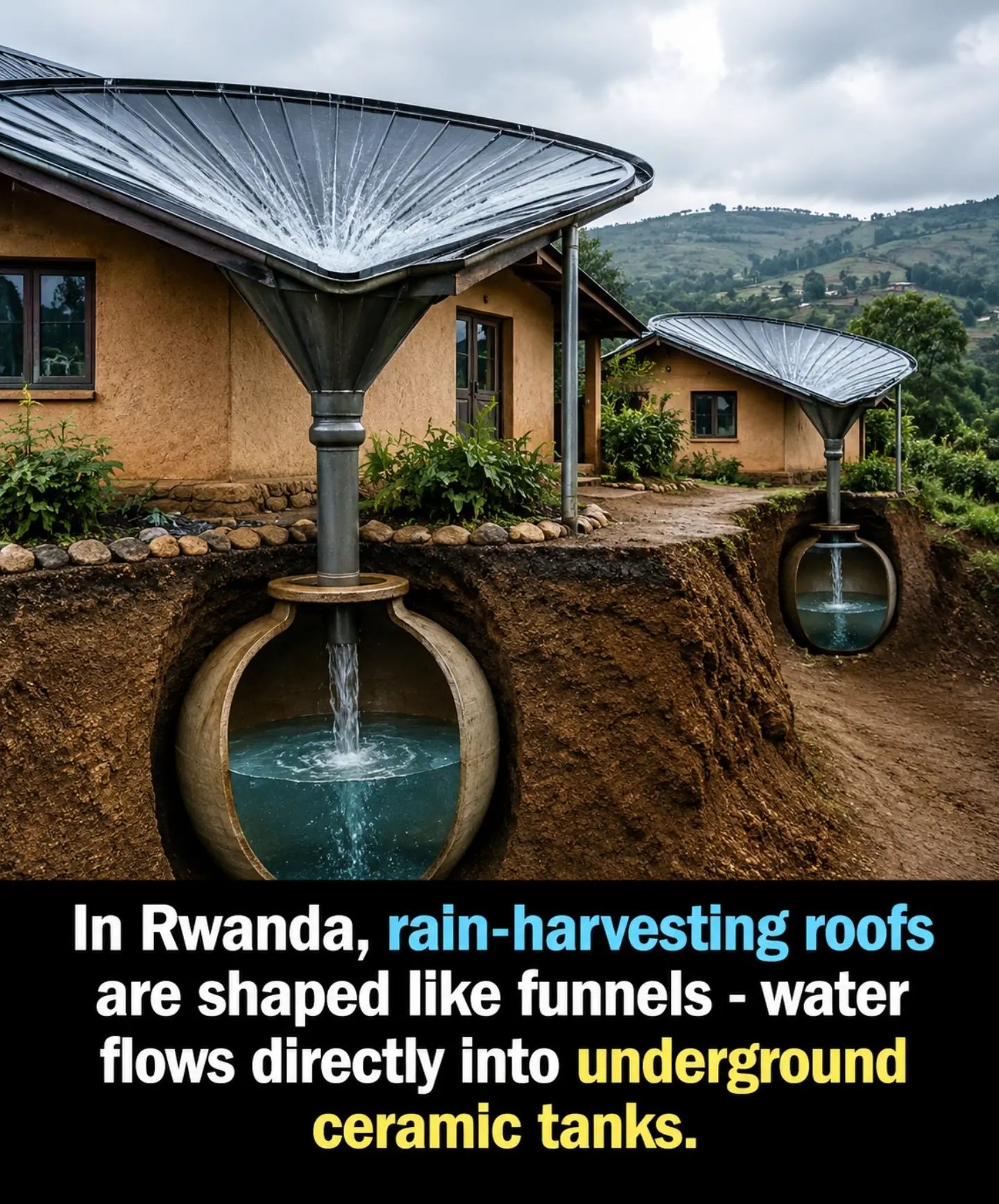
Rainwater Harvesting System in Rwanda
Rainwater harvesting is a critical practice in regions where water scarcity is a persistent challenge. In Rwanda, a unique rainwater harvesting system has been implemented, showcasing an innovative approach to water storage and conservation. This system utilizes funnel-shaped roofs to collect rainwater, which is then directed into large, underground ceramic tanks.
Why This Matters
Water scarcity is a pressing issue in many parts of the world, and Rwanda is no exception. The implementation of effective rainwater harvesting systems can significantly alleviate the strain on local water resources. By leveraging natural precipitation, these systems provide a sustainable solution for water storage, ensuring a steady supply even during dry periods. This not only supports agricultural activities but also enhances the overall quality of life for the population.
Main Discussion
The Design of the Rainwater Harvesting System
The unique design of the rainwater harvesting system in Rwanda is centered around funnel-shaped roofs. These roofs are specifically designed to efficiently collect rainwater. The water is then directed into underground ceramic tanks, which serve as storage units. This design ensures that the collected water is protected from contamination and evaporation, making it a reliable source for various uses.
Advantages of Underground Ceramic Tanks
Ceramic tanks offer several advantages for rainwater storage. Firstly, they are durable and resistant to corrosion, ensuring a long lifespan. Secondly, they are environmentally friendly, as ceramic is a natural material that does not leach harmful chemicals into the water. Additionally, underground storage helps in maintaining a consistent temperature, reducing the risk of algae growth and contamination.
Sustainability and Conservation
The rainwater harvesting system in Rwanda is a prime example of sustainable water management. By collecting and storing rainwater, the system reduces the reliance on surface water sources, which are often prone to pollution and depletion. This not only conserves natural water resources but also supports the local ecosystem by minimizing the impact on rivers and lakes.
Practical Tips for Implementing a Rainwater Harvesting System
Implementing a rainwater harvesting system can be a highly effective way to manage water resources, especially in areas with limited access to clean water. Here are some practical tips to consider:
Assess Your Water Needs
Before installing a rainwater harvesting system, it is essential to assess your water needs. Determine the amount of water required for daily use, including domestic, agricultural, and industrial purposes. This will help in designing a system that meets your specific requirements.
Choose the Right Roofing Material
The efficiency of a rainwater harvesting system depends significantly on the roofing material. Ensure that the roofing material is non-toxic and does not contaminate the collected water. Materials like metal, ceramic, or glass are suitable for this purpose.
Design an Efficient Collection and Storage System
The design of the collection and storage system is crucial for the overall efficiency of the rainwater harvesting process. Ensure that the roof is sloped to facilitate water flow and that the gutters and downspouts are free from debris. Use filters to remove any impurities from the collected water before it enters the storage tanks.
Maintain and Monitor the System
Regular maintenance and monitoring are essential for the long-term success of a rainwater harvesting system. Check the storage tanks for leaks, clean the filters regularly, and ensure that the system is functioning optimally. This will help in maintaining the quality of the collected water and prolong the lifespan of the system.
Promote Community Awareness
Promoting community awareness about the benefits of rainwater harvesting can encourage more people to adopt this sustainable practice. Conduct workshops, seminars, and awareness campaigns to educate the community about the importance of water conservation and the role of rainwater harvesting systems in achieving this goal.
Important Takeaways
- Rainwater harvesting is a sustainable way to manage water resources, especially in areas with limited access to clean water.
- The design of the rainwater harvesting system in Rwanda, featuring funnel-shaped roofs and underground ceramic tanks, offers a durable and environmentally friendly solution.
- Regular maintenance and monitoring are essential for the long-term success of a rainwater harvesting system.
- Promoting community awareness can encourage more people to adopt rainwater harvesting as a sustainable practice.
Conclusion
The rainwater harvesting system in Rwanda demonstrates an innovative and effective approach to water storage and conservation. By leveraging natural precipitation and using sustainable materials, this system offers a reliable solution to the challenges posed by water scarcity. Implementing similar systems in other regions can significantly contribute to water conservation and sustainability, ensuring a steady supply of clean water for future generations.
Watch the Reel
Questions readers ask
What makes the rainwater harvesting system in Rwanda unique?
The rainwater harvesting system in Rwanda stands out due to its use of funnel-shaped roofs to efficiently collect and direct rainwater into large, underground ceramic tanks. This design is particularly effective in a region facing water scarcity, as it ensures a sustainable water supply throughout the year.
How do underground ceramic tanks contribute to water sustainability in Rwanda?
Underground ceramic tanks in Rwanda's rainwater harvesting system help maintain water sustainability by providing a large storage capacity that keeps water clean and cool. This setup prevents evaporation and contamination, ensuring a steady water supply even during dry periods, and supporting both household needs and agricultural activities.
Can this rainwater harvesting system benefit agriculture in Rwanda?
Yes, the rainwater harvesting system in Rwanda has significant benefits for agriculture. By storing rainwater in underground tanks, farmers have access to a reliable water source during dry periods, enabling them to maintain crop irrigation and livestock watering. This support is crucial for agricultural productivity and food security.
What are the main components of Rwanda's rainwater harvesting system?
The main components of Rwanda's rainwater harvesting system are funnel-shaped roofs, which efficiently collect rainwater, and underground ceramic tanks, which store the collected water. This combination allows for effective water collection, storage, and distribution, addressing the challenges posed by water scarcity in the region.
How does the rainwater harvesting system in Rwanda improve the quality of life?
The rainwater harvesting system in Rwanda improves the quality of life by providing a consistent and clean water supply. This reduces the time and effort required for water collection, ensures access to safe drinking water, and supports agricultural activities. As a result, communities experience enhanced health, improved livelihoods, and better overall well-being.
How can I learn more about the rainwater harvesting system in Rwanda?
To learn more about the rainwater harvesting system in Rwanda, you can search for videos and resources online that showcase the unique implementation. Looking into case studies and local initiatives can also provide valuable insights into how this system is designed and operated, offering practical examples and best practices in rainwater harvesting.
Related deep dives
Similar reads based on topic and creator.




Recent articles
Fresh deep dives from the latest Reels we unpacked.




Comments
Be the first to comment.