Japanese Innovation in Everyday Technology
Japan is renowned for its advanced technology, seamlessly integrated into daily life. From smart bathrooms to automated storage systems, Japanese innovation transforms simple daily activities into highly efficient, comfortable, and futuristic experiences.
Why This Matters
Japan's technological advancements offer a glimpse into a future where convenience, efficiency, and thoughtful design are prioritized. These innovations are not just about luxury; they address practical needs, making everyday life more manageable and enjoyable.
Smart Bathrooms and Otohime Sound Masking
One standout feature in Japanese bathrooms is the Otohime sound masking system. This device, also known as Sound Princess, plays flushing sounds to mask the noise of water usage. This dual function serves two purposes: it provides privacy by masking sounds and potentially reduces water waste by encouraging more mindful water usage. The device is an excellent example of how Japanese technology focuses on both efficiency and user comfort.
Advanced Toilet Systems
Beyond sound masking, Japanese smart toilets are equipped with a range of features designed for comfort and hygiene. These toilets often include heated seats, bidets, deodorizers, and self-cleaning systems. These features not only enhance user experience but also contribute to overall bathroom hygiene.
Efficient Water Use
The Oidaki bath system is another innovative feature in Japanese bathrooms. This system efficiently reuses water, making baths both luxurious and environmentally friendly. By recycling water, the system reduces water waste while maintaining high standards of cleanliness and comfort.
Automation in Public Spaces
Japan's public spaces are also enhanced with innovative technology, making everyday tasks more convenient.
Keyless Luggage Lockers
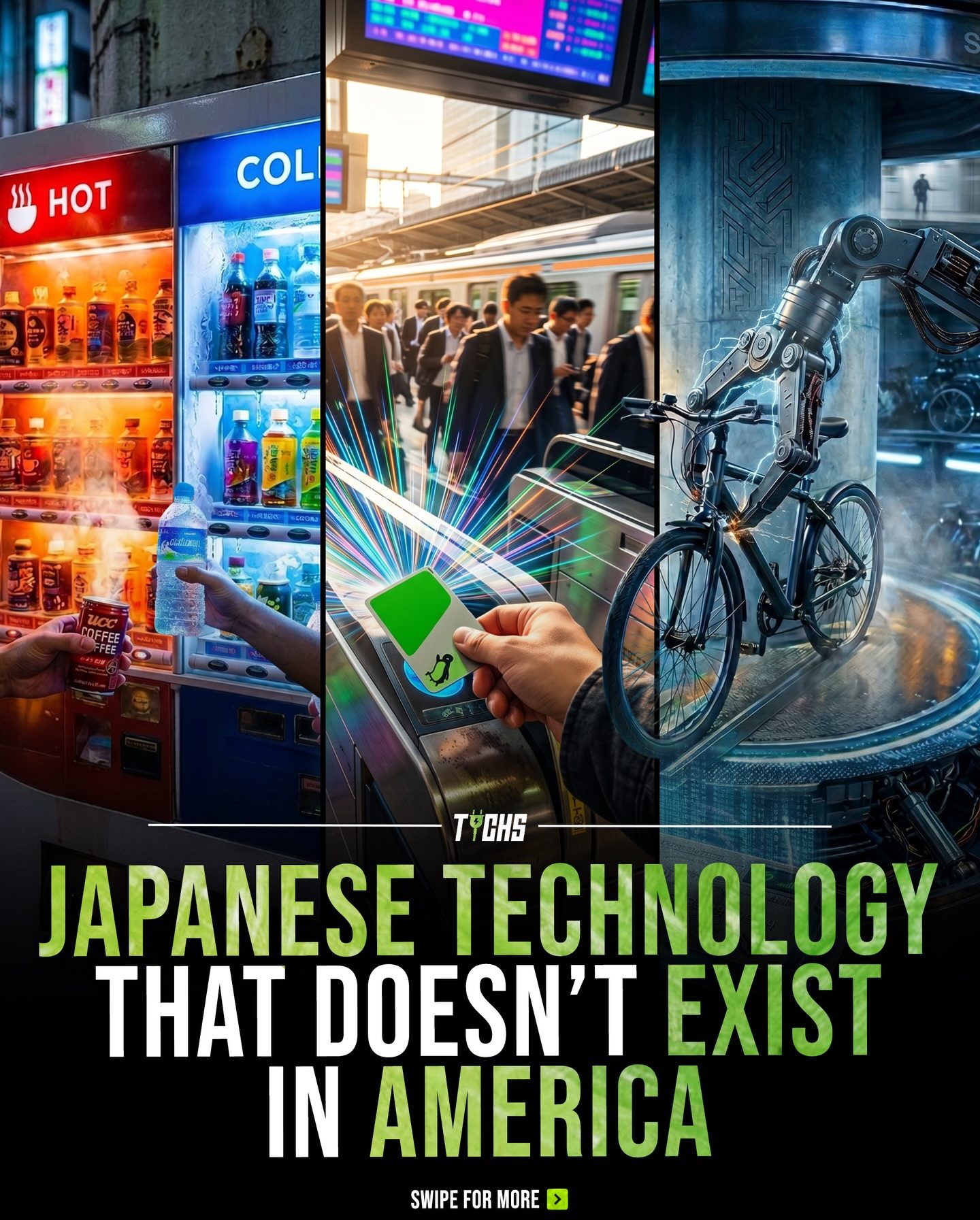
In major train stations, keyless luggage lockers are a common sight. These lockers connect to transit cards, allowing users to store and access their belongings conveniently. This system eliminates the need for keys, making travel smoother and more secure.
FeliCa Transit Cards
Fast and efficient transit is made possible with FeliCa cards. These cards are used for various purposes, from paying for train tickets to accessing public services. The seamless integration of these cards into daily life showcases Japan's commitment to streamlined and efficient public services.
Robotic Underground Bicycle Vaults
Innovative technology extends to bicycle storage as well. Robotic underground bicycle vaults are used to manage and store bicycles efficiently. These vaults not only save space but also provide a secure and convenient storage solution for cyclists.
Innovations in Urban Design
Japanese cities, particularly Tokyo, are known for their vibrant cityscapes and innovative urban design. Neon lights, rainy streets, and people walking under umbrellas create a unique atmosphere. The technological aspects of the city are seamlessly integrated into the urban landscape, making it a model for future urban development.
Practical Tips
For those looking to incorporate Japanese technology into their daily lives, consider the following tips:
Embrace Smart Bathroom Features
Invest in smart bathroom features such as heated seats, bidets, and deodorizers. These features not only enhance comfort but also contribute to overall hygiene.
Utilize Keyless Systems
Opt for keyless storage solutions, such as luggage lockers that connect to transit cards. This technology eliminates the need for keys and enhances convenience.
Prioritize Efficiency and Comfort
When choosing new appliances or systems, prioritize those that offer efficiency and comfort. For example, consider smart toilets with self-cleaning systems and water-saving features.
Explore Advanced Transit Cards
If available in your area, explore the use of advanced transit cards like FeliCa. These cards can simplify daily tasks and make public services more accessible.
Important Takeaways
Japan's technological advancements offer valuable insights into how innovation can enhance daily life. The Otohime sound masking system, keyless luggage lockers, and advanced smart toilets are just a few examples of how thoughtful design and efficient systems can make a significant difference.
The integration of technology into public spaces and urban design provides a model for future urban development. By prioritizing convenience, efficiency, and thoughtful design, Japan sets a standard for how technology can improve everyday life.
Conclusion
Japan's approach to technology is a testament to how innovation can be seamlessly integrated into daily life. From smart bathrooms to automated storage systems, Japanese technology transforms simple activities into efficient, comfortable, and futuristic experiences. By embracing these innovations, we can enhance our daily lives and look forward to a future where convenience and efficiency are the norm.
Watch the Reel
Questions readers ask
What is Otohime sound masking and how does it enhance the bathroom experience in Japan?
Otohime sound masking, also known as Sound Princess, is a technology in Japanese smart bathrooms that plays flushing sounds to cover up other noises. This enhances privacy and comfort, making the bathroom experience more pleasant. Additionally, it helps to reduce the anxiety of users about their noise generation.
What are some examples of automated storage systems in Japan?
Japanese automated storage systems include devices like the Toto Washlet, which is a smart toilet seat with automated cleaning and drying features. Additionally, automated storage systems are used in Japanese homes for appliances and other items that help to maximize space, enhance organized living, and provide easy access.
How do Japanese transit technologies improve daily life?
Japanese transit technologies, such as keyless access and automated fare collection, streamline daily commutes. These systems, often integrated with mobile payment technology, allow for seamless, efficient, and secure travel experiences, ensuring that users spend less time and effort on daily transit activities.
What makes Japanese vending machines unique?
Japanese vending machines are unique due to their widespread availability, 24/7 access, and diverse product offerings, ranging from hot and cold beverages to full meals. They are also equipped with advanced payment technology, allowing users to make payments through mobile devices, credit cards, or even cryptocurrency.
How does Japanese water management technology contribute to eco-friendly living?
Japanese water management technology focuses on efficient use and conservation. For example, smart toilets and taps use sensors to minimize water wastage, while advanced filtration systems ensure clean water usage. These technologies help reduce water consumption, making daily life more sustainable.
In what ways does keyless access technology enhance convenience in Japan?
Keyless access technology in Japan enhances convenience by allowing users to enter homes, offices, and other facilities without needing a physical key. This technology often integrates with smartphones, offering secure, contactless access and the ability to manage permissions remotely. It also provides safety to users.
What role do smart bathrooms play in Japanese daily life?
In Japan, smart bathrooms are designed to enhance comfort, hygiene, and efficiency. They often incorporate features like automated water temperature control, self-cleaning toilets, and aroma therapy systems. Additionally, smart bathrooms promote a more organized lifestyle by integrating storage solutions.
Related deep dives
Similar reads based on topic and creator.




Recent articles
Fresh deep dives from the latest Reels we unpacked.




Comments
Be the first to comment.