Dental Training Simulators
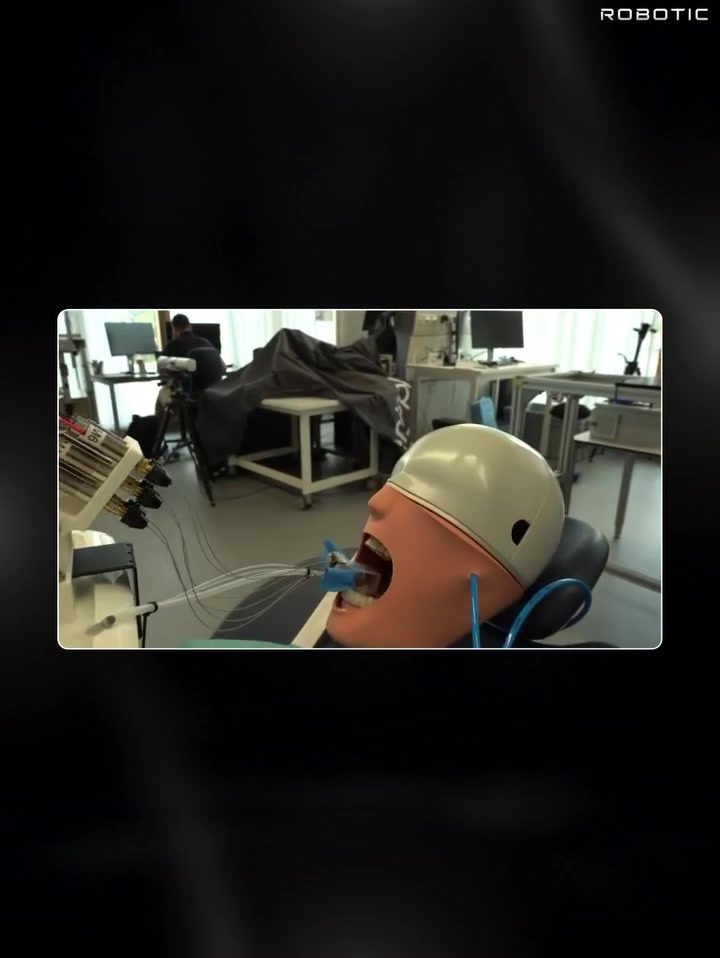
Dental training simulators are advanced tools designed to replicate real-world dental procedures in a controlled environment. These simulators, like the one shown, typically feature a mannequin head with a realistic mouth and teeth, allowing dental students and professionals to practice various procedures.
Context / Why This Matters
Dentistry is a field that requires precision and skill. Traditional training methods often involve practicing on mannequins or, in some cases, even on live patients under supervision. However, these methods can be limited in their ability to provide realistic feedback and consistent practice opportunities. Dental training simulators address these limitations by offering a more immersive and precise training experience.
Main discussion
How Dental Training Simulators Work
Dental training simulators are equipped with robotic arms that can manipulate dental tools within the simulated mouth. These tools can mimic various procedures, such as fillings or extractions, providing a hands-on experience that closely resembles real-life scenarios. The robotic arm can be programmed to follow specific paths, ensuring that students practice with the correct technique.
The Components of a Dental Training Simulator
Dental training simulators usually consist of several key components:
- Mannequin Head: This features a realistic mouth and teeth, allowing for a lifelike practice environment.
- Robotic Arm: This component mimics the movements and actions of a dentist, providing automated tool manipulation.
- Laboratory Environment: The background setting is often equipped with additional tools and equipment, mirroring a real dental laboratory.
Realistic Practice Scenarios
One of the most significant advantages of dental training simulators is their ability to create realistic practice scenarios. By using a mannequin head with a realistic mouth and teeth, and having a robotic arm manipulate dental tools, students can practice procedures like they would in a real-world setting. This immersive experience helps build confidence and proficiency.
Automated Tool Manipulation
The robotic arm in a dental training simulator can be programmed to follow a digitized plan. This allows for precise and consistent tool manipulation, reducing the chances of human error. The digitized plan ensures that each practice session is standardized, providing a reliable learning experience.
Laboratory Training Environment
The laboratory setting is designed to reflect a real dental environment. This includes the mannequin head, the robotic arm, and other necessary tools and equipment. This setup helps create a holistic learning experience, allowing students to become familiar with the entire dental procedure environment.
Practical Tips
Choosing the Right Dental Training Simulator
When selecting a dental training simulator, consider the following factors:
- Realism: Ensure the simulator features a realistic mouth and teeth model.
- Programmability: Check if the robotic arm can be programmed to follow specific paths and movements.
- Customization: Look for simulators that can be customized to meet specific training needs.
Maximizing Learning from a Dental Training Simulator
To get the most out of a dental training simulator, follow these tips:
- Practice Regularly: Consistent practice is key to mastering dental procedures.
- Review Feedback: Pay close attention to the feedback provided by the simulator, as it can help identify areas for improvement.
- Seek Guidance: Work with experienced dental professionals to gain additional insights and tips.
Important Takeaways
Dental training simulators offer a modern and effective way to train dental students and professionals. They provide a realistic and immersive practice environment, automated tool manipulation, and a laboratory setting that closely resembles a real dental clinic. By using these simulators, dental professionals can enhance their skills, reduce errors, and improve patient outcomes.
The future of dental training is likely to see even more advanced simulators, incorporating augmented reality, virtual reality, and other cutting-edge technologies. These developments will further enhance the learning experience, making it more interactive and effective.
Conclusion
Dental training simulators are a valuable tool in the field of dentistry. They provide a realistic and immersive practice environment, allowing dental students and professionals to master various procedures with precision and confidence. As technology continues to evolve, these simulators will only become more advanced, offering even greater benefits to the dental community. Whether you're a student or a seasoned professional, incorporating a dental training simulator into your practice can help you achieve higher standards of care and excellence.
Watch the Reel
Questions readers ask
How do dental training simulators enhance precision in dental procedures?
Dental training simulators use robotic dental arms to mimic real-world scenarios, allowing students and professionals to practice procedures with increased precision. The controlled environment ensures that every practice session is consistent, helping users to refine their skills over time.
What is the role of robotic arms in dental training simulators?
Robotic arms in dental training simulators replicate the movements and resistance that professionals encounter in real-world dentistry. This helps users to develop muscle memory and improve their hand-eye coordination, preparing them for precise dental procedures.
How do dental training simulators provide immediate feedback?
These simulators are equipped with advanced technology that tracks the movements and actions of the user in real-time. This allows for instant feedback, helping users to correct mistakes immediately and improve their technique more effectively than traditional methods.
Can dental training simulators replace traditional training methods?
While dental training simulators offer a highly advanced and precise way to learn, they are not intended to completely replace traditional methods. Instead, they complement existing training by providing a more immersive and consistent practice environment, enhancing overall skill development.
What kinds of procedures can be practiced using dental training simulators?
Dental training simulators can be programmed to replicate a wide range of procedures, from basic cleanings to complex surgeries. This versatility makes them an invaluable tool for both students and experienced professionals looking to refine their skills or learn new techniques.
How does the use of simulators benefit dental professionals in their ongoing practice?
For dental professionals, simulators offer a unique opportunity to practice and refine techniques without the risks associated with live patients. This not only enhances their skills but also boosts their confidence, ensuring they are always at the top of their game.
Are dental training simulators customizable for different levels of expertise?
Yes, many dental training simulators are designed to be customizable, allowing for adjustments to suit different levels of expertise. This ensures that both beginners and advanced professionals can benefit from the technology, tailoring the experience to their specific needs and goals.
Related deep dives
Similar reads based on topic and creator.




Recent articles
Fresh deep dives from the latest Reels we unpacked.




Comments
Be the first to comment.