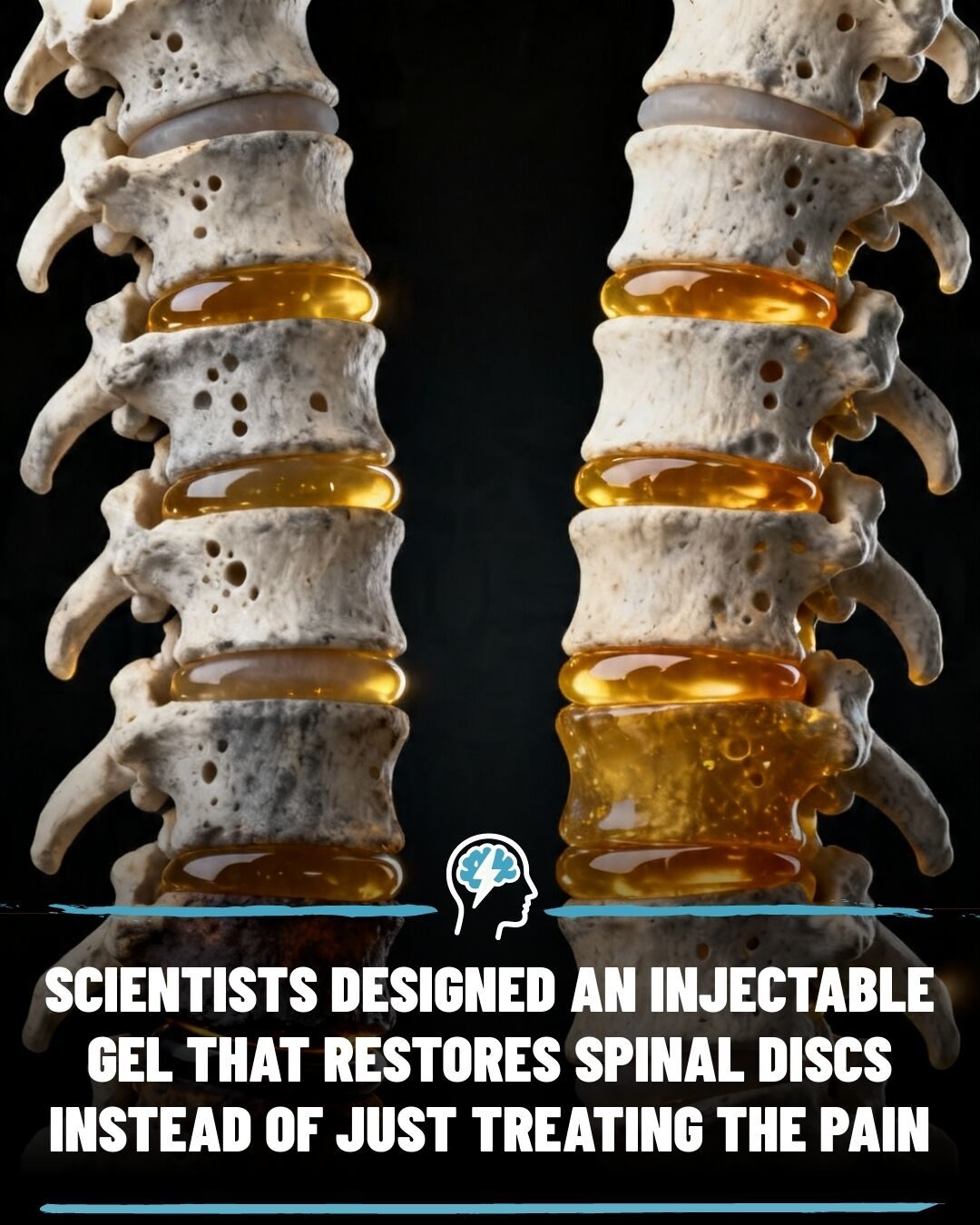
Spinal Disc Restoration: The Promise of Injectable Gels
Chronic back pain is a pervasive issue, often stemming from degenerative disc disease. Traditional treatments focus on managing symptoms rather than addressing the root cause. However, scientists are exploring a novel approach: using injectable gels to restore damaged spinal discs.
Why This Matters
Degenerative disc disease affects millions of people worldwide, causing persistent pain and limiting daily activities. Current treatment options like medication, physical therapy, and even surgery often fall short in providing long-term relief. The injectable gel represents a potential game-changer by targeting the underlying issue—damaged spinal discs.
The Science Behind Injectable Gels
Gel Composition and Mechanism
The injectable gel, a type of hydrogel, is designed to address the structural damage in spinal discs. Instead of merely masking the pain, this gel fills in cracks and tears within the disc. By adhering to both the disc's center (nucleus pulposus) and outer layer (annulus fibrosus), it helps restore the disc's structural integrity and cushioning capacity.
Restoration vs. Symptom Management
Unlike traditional treatments, this approach aims to restore the disc's natural properties. It augments the entire disc structure, supporting water retention and mechanical properties that naturally decline with degeneration. This makes the gel a promising option for those suffering from chronic degenerative disc disease.
Animal and Human Studies
Early research, including animal studies, has shown promising results. These hydrogels have been found to enhance proteoglycan content, maintain disc height, and promote healthier tissue organization. A small 2022 human study involving 20 patients who had not responded to conservative treatments reported substantial pain relief with no adverse events. These findings suggest that the gel could be a viable option for patients who have exhausted other treatment avenues.
Practical Considerations
Procedure and Administration
The procedure involves injecting a heated hydrogel through a needle under imaging guidance. This minimally invasive approach ensures precise placement of the gel within the damaged disc.
Individual Variability
It is important to note that results can vary significantly between individuals. While the gel shows promise, it is still in the early stages of research. Patients should continue to work with their healthcare providers on their current treatment plans, as this research represents a potential future option rather than a replacement for established care.
Maintaining Realistic Expectations
While the injectable gel offers a novel approach to spinal disc restoration, it is essential to keep expectations realistic. This treatment is still in the experimental phase, and more research is needed to fully understand its long-term effects and efficacy.
Potential Risks
As with any medical treatment, there are potential risks. Although the 2022 study reported no adverse events, further research is necessary to ensure the safety and reliability of the procedure. Patients should discuss these risks with their healthcare providers before considering this treatment.
Ongoing Research
The science of spinal repair is evolving, and injectable hydrogels represent one promising direction. Ongoing research will help refine this approach, potentially leading to more effective and safer treatments for degenerative disc disease.
Important Takeaways
- Novel Approach: The injectable gel offers a new approach to spinal disc restoration by addressing the underlying structural issues rather than just managing symptoms.
- Promising Results: Early research, including animal studies and a small human trial, has shown encouraging results, with patients experiencing significant pain relief.
- Minimally Invasive: The procedure involves a minimally invasive injection, making it a potentially attractive option for patients who wish to avoid more invasive treatments like surgery.
- Individual Variability: Results can vary, and more research is needed to fully understand the gel's effectiveness and safety.
Conclusion
Degenerative disc disease affects millions, causing chronic pain and limiting daily activities. The injectable gel provides a promising new avenue for treating this condition. By restoring the structural integrity of damaged spinal discs, this hydrogel could revolutionize how we approach spinal disc restoration. While more research is needed, the early findings are encouraging, offering hope to those suffering from chronic back pain.
Watch the Reel
Questions readers ask
What is degenerative disc disease and how does it cause chronic back pain?
Degenerative disc disease occurs when the spinal discs, which act as cushions between the vertebrae, break down and lose their ability to absorb shock. This leads to tears and cracks in the discs, resulting in chronic back pain as the discs lose their structural integrity and the nerves of the spine become irritated.
How do injectable gels work in treating degenerative disc disease?
Injectable gels are designed to fill in the tears and cracks within damaged spinal discs. By restoring the disc's structural integrity, the gels can potentially alleviate pain, improve spinal stability, and enhance overall mobility. The gel acts like a scaffold to promote natural healing.
What are the advantages of using injectable gels over traditional treatments for back pain?
Unlike medications, physical therapy, or surgery, injectable gels target the root cause of the pain—damaged spinal discs. This potentially offers a long-term solution. Additionally, the minimally invasive nature of the procedure means faster recovery times and fewer risks compared to surgical interventions.
Are there any side effects or risks associated with injectable gel treatments for spinal discs?
As with any medical procedure, there are potential risks, such as infection or allergic reactions. However, research indicates that injectable gels are generally well-tolerated. The risks are lower compared to surgery, but it's important to consult with a healthcare provider to fully understand the potential side effects.
How soon can patients expect to see results after receiving an injectable gel treatment for spinal disc repair?
The timeline for seeing results can vary, but some patients may experience pain relief within a few weeks as the gel helps to stabilize the damaged disc and reduce irritation. However, full recovery and long-term benefits may take several months as the body heals and the gel integrates with the disc tissue.
Related deep dives
Similar reads based on topic and creator.



Recent articles
Fresh deep dives from the latest Reels we unpacked.




Comments
Be the first to comment.