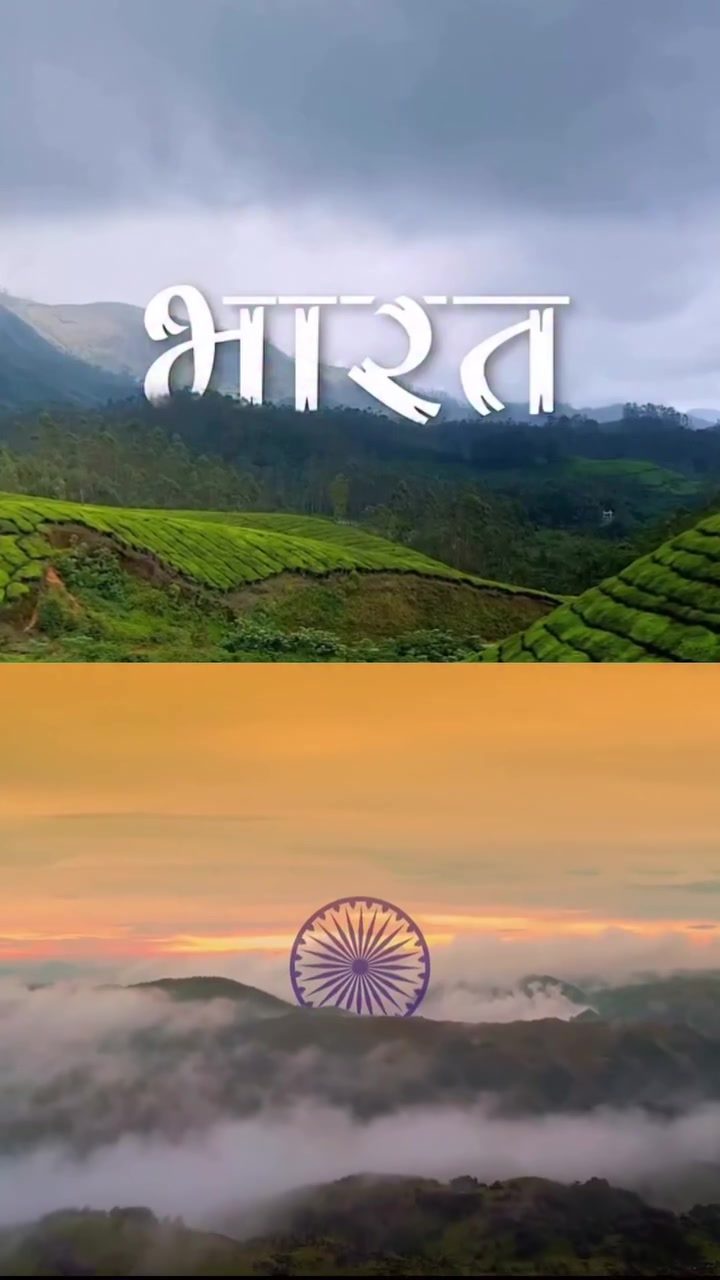
Indian Landscapes
The diverse and breathtaking landscapes of India offer a rich tapestry of natural wonders that cater to every type of traveler. From the lush greenery of the South Indian tea plantations to the rugged beauty of the Himalayas and the tranquil charm of the snow-covered villages, India has a landscape to suit every mood and preference.
Context / Why this matters
Understanding the geographical diversity of India is crucial for appreciating the country's rich cultural heritage and natural beauty. Each landscape tells a unique story of the region's history, climate, and local traditions. Whether you are planning a trip, interested in photography, or simply curious about the world, exploring India's landscapes can provide an enriching experience. The diversity of these landscapes also highlights the varied ecosystems and biodiversity that make India a fascinating destination for environmental enthusiasts.
Main discussion
Tea Plantations and Sunrises
The journey through India's landscapes often begins in the South, where the rolling hills are dotted with sprawling tea plantations. The tea plantations of Munnar, Nilgiris, and Darjeeling are renowned for their picturesque settings and the fragrant aroma of fresh tea leaves. These plantations offer stunning views of the surrounding hills and valleys, making them a favorite spot for sunrise watchers. The misty mornings and the golden hues of the rising sun create an ethereal atmosphere, perfect for capturing memorable photographs.
Waterfalls and Rapids
As you move to the Western Ghats, the landscape transforms into a lush, green paradise with cascading waterfalls. Places like Athirappilly Falls in Kerala and Jog Falls in Karnataka showcase the raw power and beauty of nature. The waterfalls are not just scenic wonders but also hold spiritual significance for many locals. The roar of the falling water and the cool mist create a refreshing and invigorating experience.
Snowy Mountains and Rivers
The northern part of India is dominated by the Himalayan range, which offers breathtaking views of snow-capped peaks and serene glaciers. The Himalayas are home to some of the world's highest mountain passes and offer thrilling adventures for trekkers and mountaineers. The snow-covered roads and the occasional river crossing add an element of adventure to the journey, making it a memorable experience. The sight of a vehicle crossing a river amidst the snow-capped mountains is a reminder of the resilience and resourcefulness of the locals who have adapted to the harsh terrain.
Snow-Covered Villages
Further up in the mountains, you'll find charming villages nestled in the snow. These villages offer a glimpse into a simpler, more traditional way of life. The snow-covered rooftops and smoke rising from the chimneys create a picturesque scene that is hard to forget. The villagers' warm hospitality and their deep connection to the land make these villages a must-visit for anyone seeking an authentic cultural experience. The Ashoka Chakra, a symbol of India's national pride, can often be seen adorning the homes and public spaces, adding a touch of national identity to the local charm.
Practical tips
Best Time to Visit
The best time to visit India's diverse landscapes depends on what you want to see and do. For the tea plantations, the monsoon season (July to September) is ideal as the lush greenery is at its peak. The waterfalls are best visited during the monsoon season as well, but be cautious as the trails can get slippery. The Himalayan region is best explored during the summer months (April to June) and the winter months (October to February), when the weather is mild and the views are spectacular. For snow-covered villages and the Ashoka Chakra, winter (November to March) is the best time to visit.
Packing Essentials
When planning a trip to India, it's important to pack accordingly. For the tea plantations, comfortable walking shoes, a hat, and sunscreen are essential. For the waterfalls, a waterproof jacket, waterproof shoes, and a change of clothes are recommended. For the Himalayan region and snow-covered villages, warm clothes, waterproof shoes, and a sturdy backpack are must-haves. It is also essential to carry a first-aid kit and any necessary medications.
Local Etiquette and Culture
India is a country with a rich cultural heritage, and it is essential to respect local customs and traditions. When visiting tea plantations, it's customary to ask permission before entering private property. When visiting waterfalls, be mindful of the local flora and fauna, and avoid littering. In the Himalayan region, it's essential to be respectful of the local culture and seek permission before taking photographs of the locals. The Ashoka Chakra, a symbol of national pride, is often seen in public spaces, and it's important to treat it with respect.
Important takeaways
India's diverse landscapes offer a unique and enriching experience for travelers. From the lush greenery of the tea plantations to the breathtaking views of the Himalayas and the charming snow-covered villages, each landscape tells a story of the region's history, culture, and natural beauty. Whether you're a nature enthusiast, a photography lover, or a culture vulture, India's landscapes have something to offer everyone.
The journey through India's landscapes is not just a visual treat but also a cultural and spiritual experience. The diverse ecosystems and biodiversity make India a fascinating destination for environmental enthusiasts. The local customs and traditions add a touch of authenticity to the travel experience, making it a memorable journey.
Conclusion
India's diverse landscapes are a testament to the country's rich cultural heritage and natural beauty. Each landscape offers a unique experience, from the serenity of the tea plantations to the thrill of the waterfalls, the adventure of the snow-covered mountains, and the charm of the snow-covered villages. Whether you're planning a trip, interested in photography, or simply curious about the world, exploring India's landscapes can provide an enriching and unforgettable experience. So, pack your bags, respect local customs, and embark on a journey through the enchanting landscapes of India.
Watch the Reel
Questions readers ask
What are some of the most notable landscapes in India?
India boasts a wide range of landscapes, including the lush tea plantations in the south, the towering and snow-capped peaks of the Himalayas, and the serene waterfalls that dot the country. Each of these landscapes offers a unique perspective on India's natural heritage and cultural diversity.
Why are the tea plantations in India significant?
India's tea plantations, particularly in the south, are significant due to their lush greenery and role in the country's agricultural heritage. These plantations, often nestled in the hills, provide stunning views and are integral to the local economy and cultural practices.
What can travelers expect from the Himalayan region in India?
The Himalayan region in India offers a stark contrast to the lush landscapes of the south, with its towering, snow-covered peaks and tranquil villages. Travelers can expect breathtaking views, challenging treks, and a rich cultural experience, immersing themselves in the traditions of the local mountain communities.
What are some of the most beautiful natural wonders in India?
India is home to a myriad of natural wonders, from the majestic snow-covered peaks of the Himalayas to the serene waterfalls scattered across the country. For travelers with a keen eye, the diverse landscapes offer an unparalleled opportunity to explore India's rich natural heritage and varied ecosystems.
How do the landscapes of India vary by region?
India's landscapes vary greatly by region, with the south offering lush, green tea plantations and the north presenting rugged, snow-covered mountain ranges. The country's diverse ecosystems and geographical features create a rich tapestry of natural wonders, each with its own unique charm and cultural significance.
What kind of experiences do India's snow-covered peaks offer?
India's snow-covered peaks, particularly in the Himalayas, offer a range of experiences from thrilling treks to serene moments of tranquility. These peaks provide stunning views and opportunities for adventure, as well as a deep dive into the cultural heritage of the local mountain communities.
What are the benefits of exploring India's diverse landscapes?
Exploring India's diverse landscapes offers a multitude of benefits, including breathtaking views, unique cultural experiences, and an appreciation for the country's rich natural heritage. Whether you're interested in photography, travel, or simply curious about the world, India's landscapes provide an enriching experience that caters to every type of traveler.
Related deep dives
Similar reads based on topic and creator.


Recent articles
Fresh deep dives from the latest Reels we unpacked.




Comments
Be the first to comment.