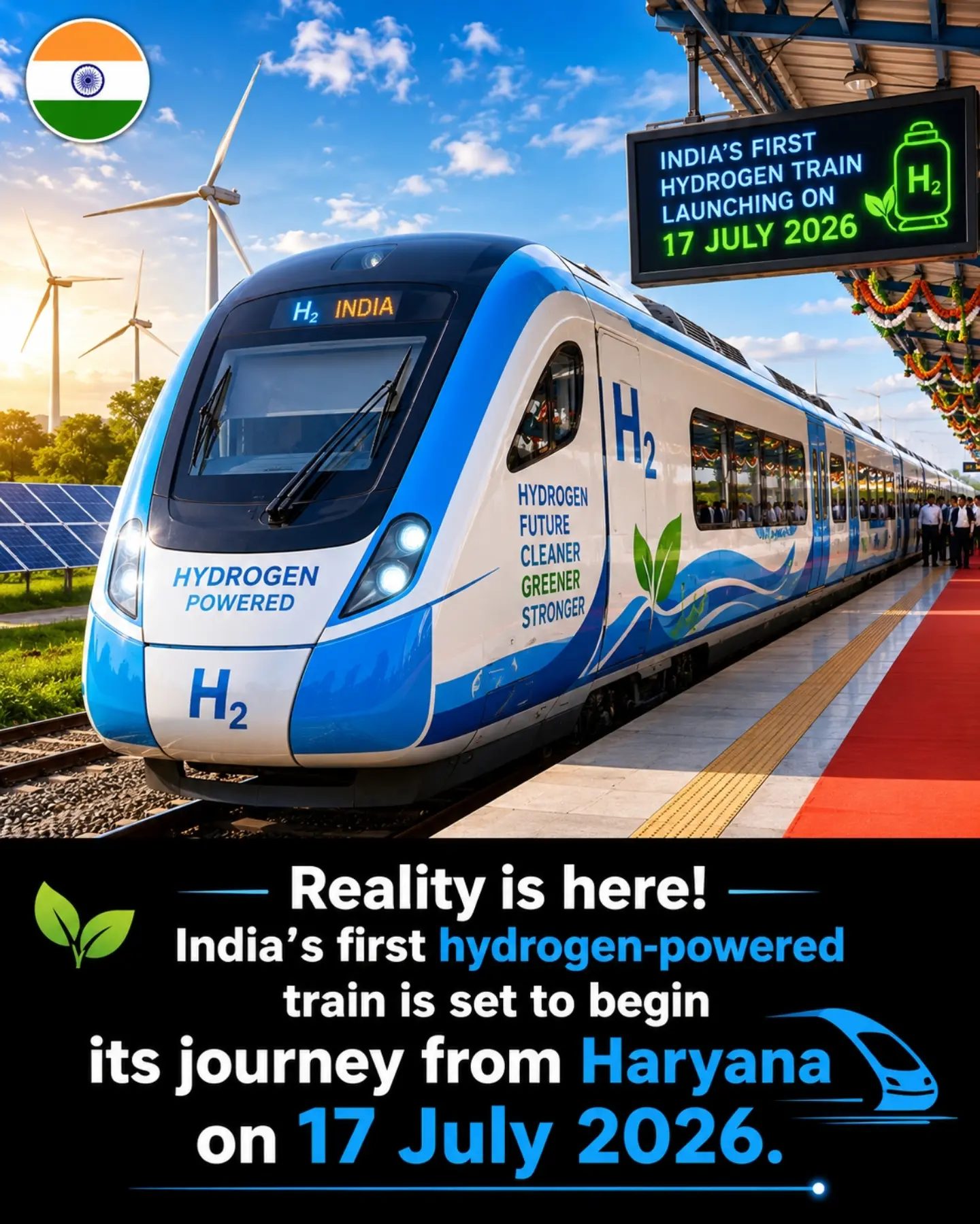
India's First Hydrogen-Powered Train
India is set to embark on a new era of sustainable transportation with the launch of its first hydrogen-powered train. Scheduled to debut on July 17, 2026, this innovative initiative represents a significant milestone in the country's commitment to a cleaner, greener future.
Why This Matters
With the global push towards reducing carbon emissions and transitioning to renewable energy sources, hydrogen-powered trains offer a promising solution for the transportation sector. Unlike traditional diesel or electric trains, hydrogen trains produce no emissions at the point of use, making them an environmentally friendly alternative. This launch is a testament to India’s dedication to leveraging clean energy technologies and positioning itself as a leader in sustainable transportation.
Main Discussion
The Technology Behind Hydrogen Trains
Hydrogen trains, often referred to as H2 trains, operate using hydrogen fuel cells. These cells combine hydrogen and oxygen to produce electricity, which powers the train’s electric motors. The only byproduct of this process is water vapor, making hydrogen trains a zero-emission mode of transport. This technology is particularly advantageous in regions where electrification of railway lines is challenging or costly.
The Launch Event
The launch of India’s first hydrogen-powered train is scheduled for July 17, 2026, from Haryana. This event marks a pivotal moment in India’s transportation history. The train, branded as HYDROGEN, will not only showcase cutting-edge technology but also symbolize a shift towards a more sustainable future. The launch will be a significant step towards India’s goals of reducing its carbon footprint and promoting clean energy initiatives.
Environmental and Economic Benefits
The adoption of hydrogen-powered trains brings numerous environmental benefits. By reducing reliance on fossil fuels, these trains contribute to lower greenhouse gas emissions and improved air quality. Additionally, hydrogen fuel cells offer a more efficient use of energy compared to traditional combustion engines, leading to cost savings in the long run. Moreover, the development and deployment of hydrogen infrastructure can create new economic opportunities and jobs in India.
The Role of Wind Energy
In the visuals, wind turbines are depicted in the background, emphasizing the interconnectedness of renewable energy sources. Wind energy can be used to generate the hydrogen needed to power these trains through a process called electrolysis. This synergy between wind and hydrogen technologies highlights a comprehensive approach to sustainable energy solutions.
Practical Tips
For those interested in understanding the broader implications and potential of hydrogen-powered trains, here are a few practical tips:
Stay Informed
Keep up-to-date with the latest developments in hydrogen technology and its applications in transportation. Follow news sources that cover renewable energy and sustainable transportation to stay informed about new advancements and upcoming projects.
Advocate for Clean Energy
Support local and national initiatives that promote the use of clean energy sources. Advocating for policies that encourage the adoption of hydrogen-powered trains and other sustainable modes of transportation can help drive change at a larger scale.
Engage in Community Discussions
Participate in community discussions and forums focused on renewable energy and sustainable living. Sharing knowledge and experiences can foster a collective effort towards a greener future.
Explore Hydrogen Technology
If you are involved in the transportation or energy sectors, consider exploring the potential of hydrogen technology for your operations. Understanding the benefits and challenges of hydrogen-powered solutions can help in making informed decisions.
Important Takeaways
The launch of India’s first hydrogen-powered train on July 17, 2026, signifies a major step towards sustainable transportation. This initiative underscores the importance of adopting clean energy technologies to reduce environmental impact and promote a greener future. The integration of wind energy and hydrogen fuel cells demonstrates a holistic approach to renewable energy solutions.
Conclusion
With the upcoming launch of India’s first hydrogen-powered train, the country is poised to make significant strides in sustainable transportation. This initiative not only highlights India's commitment to clean energy but also sets a precedent for other nations to follow. As we look towards a future where hydrogen-powered trains become a common sight, it is essential to support and advocate for such innovative solutions that pave the way for a cleaner, greener world.
Watch the Reel
Questions readers ask
What is the launch date for India's first hydrogen-powered train?
India's first hydrogen-powered train is scheduled to launch on July 17, 2026, marking a significant step in the country's journey towards sustainable transportation.
How do hydrogen-powered trains benefit the environment?
Hydrogen-powered trains produce no emissions at the point of use, unlike traditional diesel or electric trains. This makes them an environmentally friendly alternative, contributing to the reduction of carbon emissions in the transportation sector.
What is the significance of India launching a hydrogen-powered train?
The launch of India's first hydrogen-powered train underscores the country's dedication to clean energy technologies and its commitment to a greener, more sustainable future. It also positions India as a key player in the global transition to renewable energy sources.
What technology powers the hydrogen train?
India's hydrogen-powered train uses hydrogen fuel cell technology. This technology converts hydrogen into electricity through a chemical reaction with oxygen, producing water vapor as the only byproduct.
What are the advantages of hydrogen-powered trains over traditional trains?
Hydrogen-powered trains offer several advantages, including zero emissions at the point of use, reduced dependence on fossil fuels, and the potential for long-range travel without the need for frequent recharging, as is the case with electric trains.
What does India's hydrogen train initiative mean for future transportation in the country?
India's hydrogen train initiative signals a shift towards sustainable transportation. It paves the way for further advancements in clean energy technologies and sets a precedent for other countries aiming to reduce their carbon footprint through innovative transportation solutions.
Related deep dives
Similar reads based on topic and creator.

Recent articles
Fresh deep dives from the latest Reels we unpacked.




Comments
Be the first to comment.