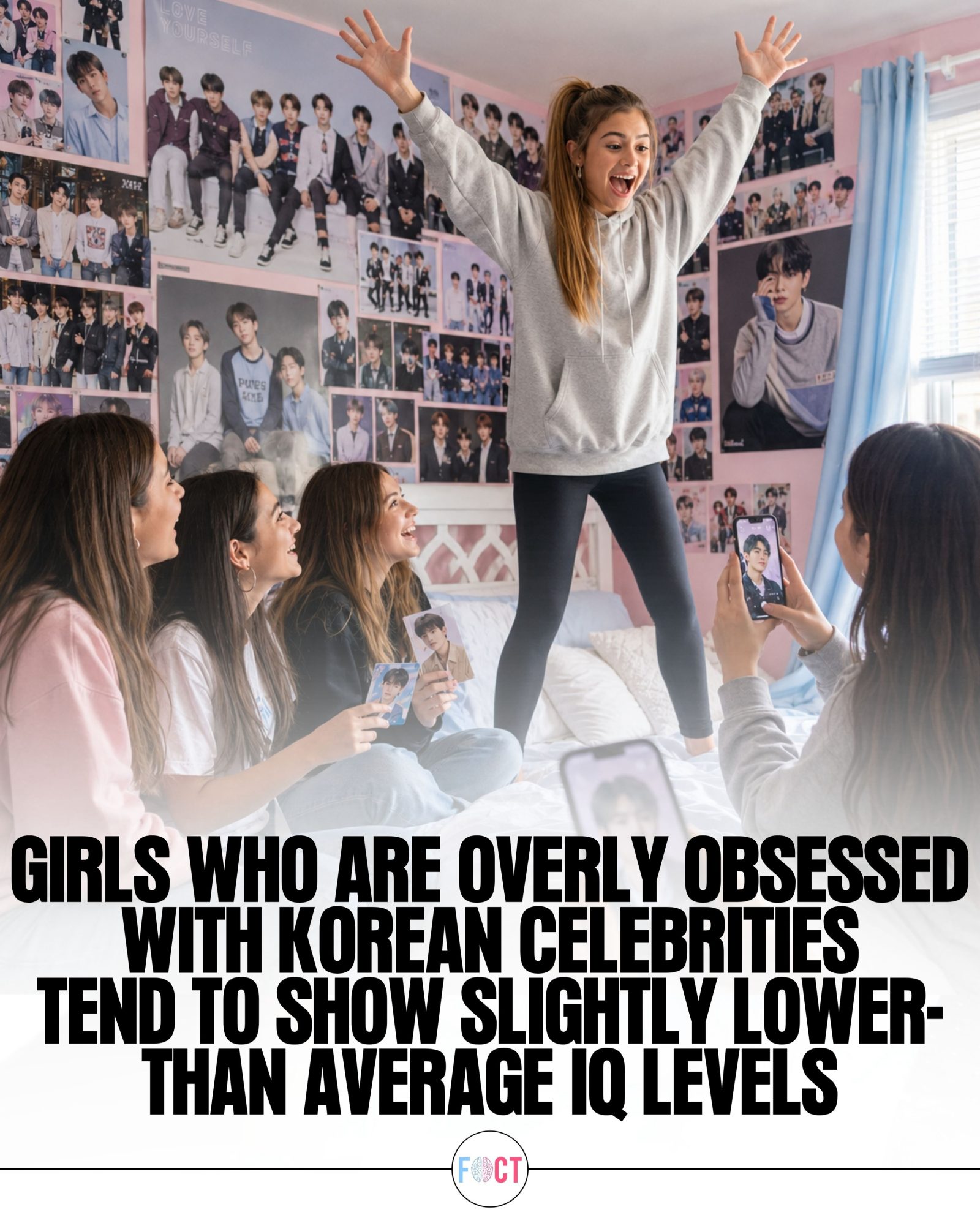
Room Decor and K-Pop: Exploring the Impact of Celebrity Obsession
The concept of being overly fixated on celebrities, particularly those from K-Pop, raises intriguing questions about its impact on cognitive development. Celebrities from the K-Pop industry are known for their global influence, and their popularity extends to decorations in homes and bedrooms around the world.
Context / Why This Matters
The interest in K-Pop celebrities often manifests in the form of posters, merchandise, and other decorative items in bedrooms and personal spaces. This trend is not limited to K-Pop; intense obsession with any celebrity scene can have similar effects. Understanding the potential implications of such obsession is crucial, especially for young people who are particularly vulnerable to these influences.
Main Discussion
The Relationship Between Celebrity Obsession and Cognitive Development
Recent studies suggest that girls who become highly fixated on Korean celebrities may score slightly lower on IQ tests. The suggestion is that spending large amounts of time consuming fan-related content might reduce focus on learning and critical thinking. This phenomenon can impact attention span and overall cognitive engagement, which are essential for academic and personal growth.
How Celebrity Obsession Affects Attention and Learning
The intense consumption of fan-related content can divert attention from educational activities. This diversion can lead to a reduction in the time and effort spent on learning, which in turn can affect cognitive development. The focus on fan activities, such as watching performances, reading fan fiction, and engaging in online discussions, can crowd out time that could be spent on studying, problem-solving, and other mentally stimulating activities.
The Role of Media and Social Influences
Media and social influences play a significant role in shaping the interests and behaviors of young people. The proliferation of K-Pop and other celebrity cultures through social media, streaming platforms, and merchandise has made it easier for young people to immerse themselves in these worlds. However, this immersion can have unintended consequences on their cognitive development and overall intellectual engagement.
The Impact on Social and Emotional Well-being
While the obsession with celebrities can provide a sense of belonging and identity, it can also lead to negative social and emotional outcomes. Young girls may compare themselves to celebrity idols, leading to feelings of inadequacy and low self-esteem. This can further exacerbate the cognitive and academic challenges they face, creating a cycle of negative outcomes.
The Broader Implications for Celebrity Culture
The findings from this recent study highlight the broader implications of celebrity culture. While it can be a source of entertainment and inspiration, it can also have unintended consequences on cognitive development and overall well-being. It is essential to recognize the potential risks and to promote balanced, informed engagement with celebrity culture.
Practical Tips
Balancing Fan Engagement and Academic Pursuits
Finding a balance between engaging with fan-related content and pursuing academic and intellectual activities is crucial. Encourage setting aside dedicated time for studying, reading, and other cognitive-stimulating activities. This can help maintain a healthy balance and prevent the negative impacts of excessive obsession.
Promoting Critical Thinking and Cognitive Engagement
Encourage activities that promote critical thinking and cognitive engagement. This can include debates, group discussions, and problem-solving exercises. Engaging in such activities can help young people develop essential cognitive skills and maintain a healthy interest in learning.
Encouraging a Variety of Interests
Promote a variety of interests and hobbies to prevent an unhealthy fixation on any single celebrity or trend. Encourage participation in sports, arts, and other extracurricular activities. This can provide a well-rounded development and reduce the risk of an excessive obsession with any one thing.
Supporting Healthy Media Consumption
Promote healthy media consumption habits. Limit the time spent on social media and streaming platforms, and encourage participation in offline activities. This can help maintain a balanced relationship with media and prevent the negative impacts of excessive screen time.
Fostering Open Communication
Open communication about the potential risks and benefits of celebrity obsession can help young people make informed decisions. Encourage discussions about the impact of media and social influences on cognitive development and overall well-being. This can help young people develop a critical perspective on celebrity culture and its potential impacts.
Important Takeaways
- Being overly fixated on celebrities, particularly those from K-Pop, can affect cognitive development and academic performance.
- Balancing fan engagement with academic and intellectual pursuits is crucial for maintaining a healthy cognitive development.
- Young people should be encouraged to engage in a variety of interests and hobbies to promote well-rounded development.
- Open communication and critical thinking can help young people navigate the complexities of celebrity culture and its potential impacts.
Conclusion
The impact of celebrity obsession, particularly in the context of K-Pop, on cognitive development and overall well-being is a multifaceted issue. Understanding the potential risks and promoting balanced engagement with celebrity culture can help young people achieve a healthy and fulfilling life. By encouraging critical thinking, fostering a variety of interests, and promoting open communication, we can help mitigate the negative impacts of excessive celebrity obsession and support the cognitive and emotional development of young people.
Watch the Reel
Questions readers ask
How does K-Pop obsession specifically affect young girls' cognitive skills?
K-Pop obsession can divert the attention of young girls from learning activities, leading to reduced focus on studies. This can potentially slow down the development of cognitive skills and academic performance.
Can the influence of K-Pop celebrities on cognitive development be compared to other celebrity obsessions?
Yes, the impact of K-Pop celebrities on cognitive development can be similar to that of other celebrity obsessions. Intense fixation on any celebrity scene can lead to a reduction in learning focus, which consequently affects cognitive skills development in young people.
What does the recent study on K-Pop and learning habits reveal?
Recent studies indicate that young people's fixation on K-Pop celebrities can significantly reduce their focus on learning. This is reflected in various aspects, including test scores and overall academic performance, which can be directly linked to cognitive skills in young girls.
How does the obsession with K-Pop affect the learning habits of young people?
Obsession with K-Pop can lead to extensive time spent on fan-related content, such as watching music videos, following celebrity news, and engaging with online fan communities. This can disrupt learning habits and lead to a decrease in time dedicated to cognitive skill-building activities.
What role do K-Pop-themed room decorations play in the obsession and its cognitive impact?
K-Pop-themed room decorations can reinforce the obsession by keeping the focus on celebrities. This constant visual reminder can contribute to the time spent on K-Pop-related activities, further diverting attention from learning and cognitive skill development.
Can K-Pop obsession affect cognitive development in both genders?
While the impact of K-Pop obsession is more pronounced in young girls, it can also affect young boys. Both genders may experience a reduction in focus on learning and a diversion of time from cognitive skill-building activities, though the extent and specific areas of impact might differ.
What are some ways to mitigate the negative impact of K-Pop obsession on cognitive skills?
Parents and guardians can encourage setting boundaries on K-Pop-related activities and promoting a balance between leisure and learning. Additionally, fostering open communication about the importance of cognitive skill development and academic performance can help young people better manage their obsession.
Related deep dives
Similar reads based on topic and creator.




Recent articles
Fresh deep dives from the latest Reels we unpacked.




Comments
Be the first to comment.