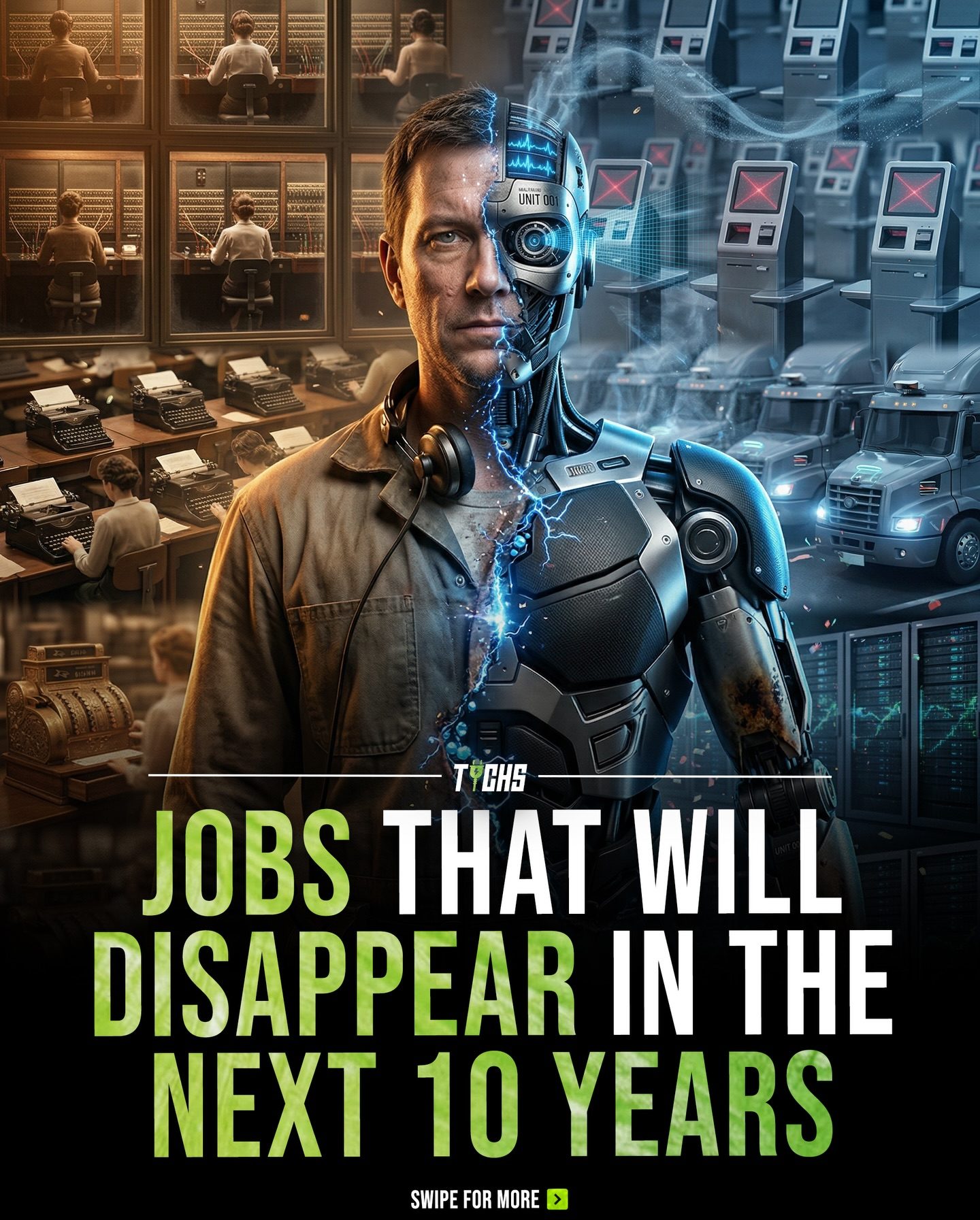
The Rise of Automation: How Jobs are Being Transformed by AI and Technology
Traditional jobs are expected to decline over the next decade as automation, artificial intelligence, and digital platforms take over repetitive tasks and manual processes across various industries. This shift is already evident in several sectors, from retail and finance to transportation and food service.
Why this Matters
Understanding the impact of automation is crucial for workers, businesses, and policymakers alike. As AI and technology advance, they are reshaping the job market, making certain roles obsolete while creating new opportunities. Staying informed about these changes can help individuals prepare for the future and adapt to the evolving workforce.
Main Discussion
Automation in Retail
Retail is one of the industries most affected by automation. Cashiers, for example, are being replaced by self-checkout systems in many stores. These systems not only speed up the checkout process but also reduce the need for human cashiers, leading to job displacement in this sector. Similarly, fast-food jobs are shifting toward kiosks and robotics, further reducing the demand for human workers in these roles.
The Impact on Transportation
The transportation industry is also undergoing significant changes due to automation. Truck driving, a job that has traditionally required human drivers, faces disruption from autonomous vehicles. These self-driving trucks are designed to operate without human intervention, potentially eliminating a large number of driving jobs in the coming years. Additionally, parking attendants are being replaced by smart parking systems and self-driving cars, which can manage parking spaces more efficiently and reduce the need for human involvement.
The Future of Finance
In the finance sector, bank tellers are declining due to the rise of mobile banking apps and ATMs. These digital platforms allow customers to perform various banking tasks, such as depositing checks, transferring funds, and checking account balances, without needing to visit a physical bank. As a result, the demand for human tellers is decreasing, and many banks are shifting towards digital banking solutions.
AI in Customer Service and Data Entry
Telemarketers and data entry clerks are also feeling the impact of automation. AI voice bots can handle customer service calls, providing quick and efficient responses to common inquiries. Meanwhile, automation software can perform data entry tasks more accurately and quickly than humans, making these roles increasingly redundant.
The Evolution of Travel Planning
Travel agents are being replaced by online booking and AI planning tools. These digital platforms allow users to book flights, hotels, and other travel arrangements with ease, often at a lower cost than traditional travel agents. AI planning tools can also provide personalized recommendations and itineraries, making them a popular alternative to human travel agents.
The Intersection of AI and Technology
The advancements in AI and technology are not limited to specific industries. AI is being applied in various sectors, from manufacturing to healthcare, to automate processes and improve efficiency. For example, robotic arms are being used in food preparation, showcasing how AI can be integrated into various industries. This intersection of AI and technology is driving innovation and creating new opportunities, even as it displaces traditional roles.
Practical Tips
1. Skill Development and Adaptability
To thrive in the evolving job market, it's essential to focus on skill development and adaptability. As AI and technology continue to advance, jobs that require human interaction, creativity, and problem-solving will become more valuable. Investing in education and training can help individuals stay competitive and adapt to the changing workforce.
2. Embrace Digital Platforms
Familiarizing yourself with digital platforms and tools can also be beneficial. Learning how to use mobile banking apps, online booking systems, and other digital tools can make you more efficient and competitive in the job market. Additionally, staying informed about the latest trends in AI and technology can help you identify new opportunities and adapt to changes in your industry.
3. Network and Collaborate
Building a strong professional network can also be beneficial. Networking with other professionals in your industry can help you stay informed about job opportunities, industry trends, and the skills in demand. Collaborating with others can also help you develop new skills and gain valuable experience.
4. Stay Informed
Keeping up with the latest developments in AI, automation, and technology is crucial for staying ahead in the evolving job market. Subscribing to industry publications, attending conferences, and following thought leaders in your field can help you stay informed and identify new opportunities.
5. Focus on Soft Skills
Soft skills, such as communication, problem-solving, and critical thinking, are becoming increasingly important in the job market. As AI and technology continue to automate repetitive tasks, the demand for jobs that require human interaction and creativity is on the rise. Focusing on developing these skills can help you stand out in a competitive job market.
Important Takeaways
1. Automation is Reshaping the Job Market
Automation, AI, and digital platforms are reshaping the job market, making certain roles obsolete while creating new opportunities. Understanding these changes can help individuals, businesses, and policymakers adapt to the evolving workforce.
2. The Importance of Skill Development
To thrive in the evolving job market, it's essential to focus on skill development and adaptability. Jobs that require human interaction, creativity, and problem-solving will become more valuable as AI and technology continue to advance.
3. Digital Platforms and Tools
Familiarizing yourself with digital platforms and tools can make you more efficient and competitive in the job market. Staying informed about the latest trends in AI and technology can help you identify new opportunities and adapt to changes in your industry.
4. Networking and Collaboration
Building a strong professional network and collaborating with others can help you stay informed about job opportunities, industry trends, and the skills in demand. This can also help you develop new skills and gain valuable experience.
5. The Role of Soft Skills
Soft skills, such as communication, problem-solving, and critical thinking, are becoming increasingly important in the job market. Focusing on developing these skills can help you stand out in a competitive job market.
Conclusion
The rise of automation and AI is transforming the job market, making certain roles obsolete while creating new opportunities. Staying informed about these changes and focusing on skill development, adaptability, and soft skills can help individuals thrive in the evolving workforce. As technology continues to advance, embracing these changes and preparing for the future will be essential for success.
Watch the Reel
Questions readers ask
Which jobs are most at risk due to AI and automation in the near future?
Jobs that involve repetitive tasks and manual processes are most at risk. These include roles like cashiers, fast-food service workers, and truck drivers, where AI and automation can efficiently handle routine tasks.
Are there any sectors where AI is creating new job opportunities?
Yes, while AI may displace some traditional roles, it also creates new opportunities. For example, the rise of AI in healthcare is leading to an increased demand for professionals who can develop and maintain AI systems, as well as those who can interpret and act on AI-generated insights.
How is AI impacting the transportation industry?
AI is significantly transforming the transportation industry, particularly through the development of self-driving technology. This shift may lead to a decline in traditional truck driving jobs, but it also opens up new roles in AI maintenance, data analysis, and autonomous vehicle management.
What can workers do to prepare for the impact of AI on the job market?
Workers can prepare by acquiring new skills that are in demand with the rise of AI. This might include learning about data analysis, digital platforms, and AI systems. Keeping up with industry trends and being open to retraining can also help workers adapt to the changing job landscape.
How is AI affecting the retail industry?
In retail, AI is automating tasks such as inventory management, customer service, and checkout processes. This means that traditional cashier jobs may decrease, but there will be an increased need for roles that oversee and maintain AI systems, as well as those that focus on enhancing the customer experience through technology.
What role do policymakers play in the face of AI-driven job market changes?
Policymakers can help mitigate the impact of job displacement by implementing programs that support workforce retraining and provide financial assistance to those affected. They can also encourage innovation in industries that are creating new job opportunities due to AI, fostering a smoother transition for workers.
How is banking automation changing the finance sector?
Automation in banking is streamlining processes such as customer service, fraud detection, and transaction processing. While this may reduce the need for traditional banking roles, it also creates opportunities for professionals in cybersecurity, AI development, and data management, which are crucial for maintaining secure and efficient banking systems.
Related deep dives
Similar reads based on topic and creator.




Recent articles
Fresh deep dives from the latest Reels we unpacked.




Comments
Be the first to comment.