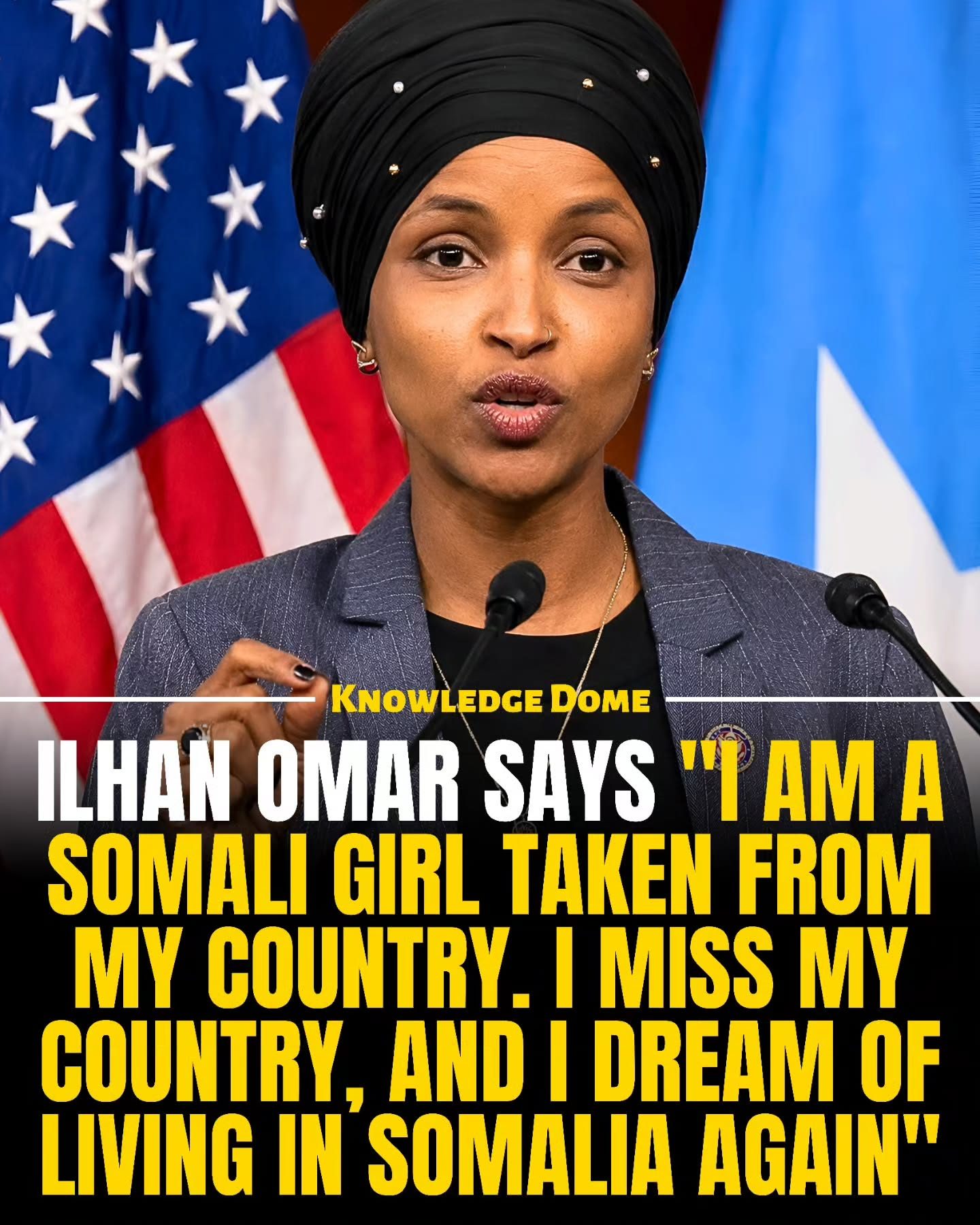
Ilhan Omar's Quote on Somalia: Identity, Belonging, and the Refugee Experience
The quote, "I am a Somali girl taken from my country. I miss my country, and I dream of living in Somalia again," by Ilhan Omar has been widely shared on social media. The quote resonates deeply as it speaks to universal themes of home, identity, and belonging. Omar’s personal story is tied to the broader context of the Somali Civil War, her family's journey through refugee camps, and her eventual resettlement in the United States.
Context: The Somali Civil War and Refugee Crisis
To understand the depth of Omar’s quote, it’s essential to delve into the historical context of the Somali Civil War. The conflict began in the late 1980s and early 1990s, leading to widespread chaos and displacement. Families like Omar's were forced to flee their homes, seeking refuge in neighboring countries. Omar herself was born in Mogadishu, Somalia, and at a young age, she and her family were compelled to leave during the height of the war.
The Dadaab refugee camp in Kenya became a temporary home for Omar and her family for four years. This period was marked by uncertainty and hardship, common experiences for many refugees. Life in a refugee camp is a stark contrast to the stability of a home country, and the longing for a place to call one's own is a profound emotional burden.
Omar's Journey to the United States
After their time in Kenya, Omar’s family migrated to the United States in the 1990s. This move was a significant turning point in their lives, offering a chance for stability and new beginnings. However, the transition from Somalia to a refugee camp and then to the U.S. is a journey that leaves lasting emotional scars. The experiences of displacement and relocation go beyond the physical act of moving; they deeply affect a person's sense of identity and belonging.
Omar’s quote encapsulates the enduring pain of this journey. While the United States offered a safe haven, the dream of returning to Somalia remains a poignant reminder of a lost homeland. This sentiment is not unique to Omar; it echoes the feelings of many refugees who long for their countries of origin, even as they build new lives in their adopted homes.
The Symbolism of the American and Somali Flags
The backdrop of the American and Somali flags in the portrait of Omar adds another layer of complexity to the quote. It symbolizes her dual identity—a Somali at heart who now finds herself an American citizen. This duality is a common experience for many immigrants and refugees, who often find themselves navigating two cultural identities.
The American flag represents the opportunities and freedoms she has gained in the United States, while the Somali flag represents the deep emotional connection to her roots. This juxtaposition underscores the tension and balance that immigrants often experience between their past and present identities. It is a visual representation of the internal struggle that many refugees face as they reconcile their past with their present.
Public Reactions and Political Implications
The reactions to Omar’s quote have been varied and multifaceted. For many, it is a poignant expression of the pain and longing that refugees experience. It highlights the resilience and strength of those who have been forced to leave their homes and the ongoing struggle to find a sense of belonging in a new country.
However, the quote has also been used in political debates, with some questioning Omar’s loyalty to the United States. This reaction reflects a broader political discourse about immigration and national identity. Critics often view statements about longing for one's home country as a sign of divided loyalties, while supporters see it as a natural part of the immigrant experience.
The Role of Somali-American Communities
Somali-American communities have been at the center of this debate. They face both criticism and support, reflecting the broader societal attitudes towards immigrants and refugees. Many Somali-Americans point out the resilience and contributions of their community, highlighting their hard work, dedication, and the positive role they play in American society.
This support is crucial in countering the negative narratives and stereotypes that often surround immigrant communities. By showcasing their achievements and contributions, Somali-Americans assert their place in the larger American story, emphasizing that their presence enriches the cultural tapestry of the nation.
The Wider Dialogue on Immigration and Identity
The viral nature of Omar’s quote also connects to broader discussions about immigration, national identity, and politics in America. It invites a deeper conversation about what it means to belong to a country and how immigrants and refugees navigate their dual identities.
The ongoing debate about immigration policies and the treatment of refugees is a complex and emotive issue. Omar’s quote adds a personal and human dimension to this debate, reminding everyone of the real people behind the statistics and the policies.
Practical Tips for Understanding the Refugee Experience
To better understand the refugee experience, it’s essential to listen to their stories and empathize with their struggles. Here are some practical tips for engaging with this topic:
- Seek Out Personal Stories: Reading and listening to personal accounts from refugees can provide a deeper understanding of their experiences. Their stories often highlight the resilience, courage, and determination that refugees exhibit in their journey to new lives.
- Educate Yourself on Global Refugee Issues: Learn about the circumstances that lead to displacement, the challenges refugees face in camps and in resettlement, and the policies that affect their lives. This knowledge can help frame the complexities of the refugee experience more accurately.
- Support Refugee Communities: Engage with and support local refugee communities. This can be done through volunteering, donating, or simply offering a welcoming presence. Supporting refugees helps them feel valued and integrated into their new homes.
- Advocate for Informed Policies: Advocate for policies that prioritize the well-being and integration of refugees. Informed policies can make a significant difference in the lives of refugees, providing them with the tools and support they need to build new lives.
Important Takeaways
- Understanding Dual Identities: Omar’s quote highlights the complexity of dual identities for immigrants and refugees. It is essential to recognize and respect the enduring connection to one’s home country while acknowledging the challenges of adapting to a new culture.
- The Pain of Displacement: The refugee experience is marked by profound emotional and physical challenges. Understanding this pain is crucial in fostering empathy and support for refugee communities.
- The Importance of Listening: Listening to personal stories and experiences can deepen our understanding of the refugee experience. It reminds us that behind every policy and statistic are real people with real struggles and achievements.
Conclusion
The quote by Ilhan Omar, "I am a Somali girl taken from my country. I miss my country, and I dream of living in Somalia again," is a poignant reminder of the enduring pain and longing that many refugees experience. It invites us to reflect on the complexities of identity, belonging, and the refugee experience. By listening to personal stories and advocating for supportive policies, we can create a more empathetic and inclusive world for all.
Watch the Reel
Questions readers ask
What is the significance of Ilhan Omar's quote about missing Somalia?
Ilhan Omar's quote, 'I am a Somali girl taken from my country. I miss my country, and I dream of living in Somalia again,' highlights her personal longing for her homeland and the universal feelings of loss and belonging experienced by refugees. It resonates with many who have experienced displacement, offering a window into the emotional journey of refugees.
How does Ilhan Omar's journey reflect the broader refugee experience?
Ilhan Omar's journey, from Somalia to a refugee camp in Kenya and eventually to the United States, mirrors the experiences of many refugees. Her story is a testament to the challenges and emotional impact of displacement, including the loss of home and the struggle to find a new sense of belonging.
What role does the Somali Civil War play in Ilhan Omar's story?
The Somali Civil War, which began in the late 1980s and early 1990s, is a crucial context for understanding Ilhan Omar's journey. The conflict led to widespread displacement, forcing her family to flee their home and eventually resettle in the United States. This historical context shapes her emotional connection to Somalia and her experiences as a refugee.
Why does Ilhan Omar's quote resonate with so many people?
Ilhan Omar's quote resonates with many people because it touches on universal themes of home, identity, and belonging. Her words encapsulate the profound longing for a place that holds deep emotional significance. This personal experience is widely shared among refugees and immigrants, making the quote relatable to a broad audience.
How does Ilhan Omar's quote reflect the psychological impact of displacement?
Ilhan Omar's quote reflects the psychological impact of displacement by highlighting the emotional and psychological toll of being separated from one's homeland. It underscores the longing for home and the struggle to adapt to a new environment, providing insight into the complexities of identity and belonging experienced by refugees.
What can we learn about Ilhan Omar's identity from her quotes about Somalia?
Ilhan Omar's quotes about Somalia reveal a deep connection to her heritage and a profound sense of loss. They underscore her identity as a Somali American, shaped by her experiences in Somalia, the refugee camp in Kenya, and her eventual resettlement in the United States. This dual identity is a central theme in her narrative, reflecting the complexities of belonging and displacement.
How does Ilhan Omar's story compare to the typical journey of a Somalia refugee?
Ilhan Omar's journey from Somalia to the United States is similar to the typical journey of many Somali refugees. It involves fleeing conflict, seeking refuge in neighboring countries such as Kenya, and eventually resettling in a third country. Her story provides a personal account of the challenges and emotional struggles that many Somali refugees face during their journey.
Related deep dives
Similar reads based on topic and creator.




Recent articles
Fresh deep dives from the latest Reels we unpacked.




Comments
Be the first to comment.