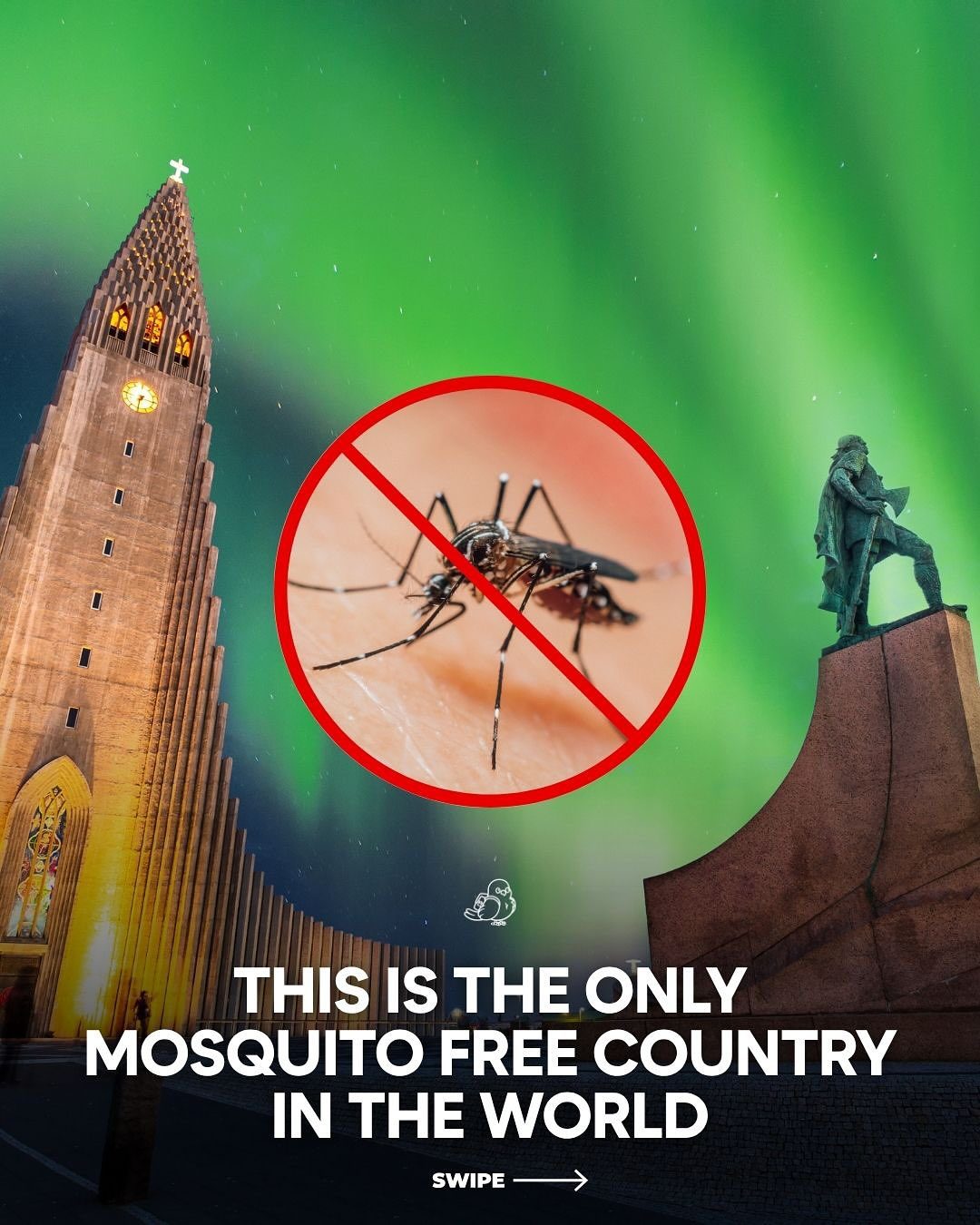
Iceland: A Mosquito-Free Summer Escape
Iceland, a land of fire and ice, is renowned for its dramatic landscapes and unique natural phenomena. One of its most intriguing features is the complete absence of mosquitoes. Despite having the wetlands, freshwater, and climate that typically attract these pests, Iceland remains mosquito-free. This phenomenon is a significant draw for travelers, especially those seeking a peaceful summer escape without the nuisance of itchy bites.
Why This Matters
The absence of mosquitoes in Iceland is more than just a curious fact; it's a testament to the country's unique ecosystem. Understanding why Iceland is mosquito-free can provide valuable insights into its climate and natural cycles. For travelers, this means a more comfortable and enjoyable experience, especially during the summer months when bugs can be a significant annoyance.
The Science Behind Iceland's Mosquito-Free Status
Unique Freeze-Thaw Cycles
Scientists attribute Iceland's mosquito-free status to its unique freeze-thaw cycles. These cycles create an environment that is inhospitable for mosquitoes to breed. The harsh winters and fluctuating temperatures disrupt the mosquito breeding cycle, making it difficult for these pests to establish populations. This natural phenomenon is one of the key factors that sets Iceland apart from other regions with similar climatic conditions.
Lacks Mosquito Species
Iceland does not have the native mosquito species that are commonly found in other parts of the world. The most common mosquito species in temperate and tropical regions, such as the Aedes and Anopheles mosquitoes, are not present in Iceland. This absence is likely due to the country's unique environmental conditions, which have not allowed these species to establish themselves over time.
Iceland's Diverse Landscapes
Iceland's natural beauty is not limited to the absence of mosquitoes. The country boasts a diverse range of landscapes, from the Northern Lights to stunning waterfalls and scenic views. These natural wonders make Iceland a popular destination for backpackers and nature enthusiasts alike.
The Northern Lights
The Northern Lights, or Aurora Borealis, are a mesmerizing spectacle that draws visitors from around the world. The best time to witness this natural phenomenon is during the winter months, when the nights are long and dark, providing the perfect backdrop for the dancing lights.
Waterfalls and Scenic Views
Iceland is home to numerous waterfalls, each with its unique charm and beauty. Some of the most famous waterfalls include Gullfoss, Skógafoss, and Dettifoss. These waterfalls are not just scenic; they also offer opportunities for hiking, photography, and adventure activities. The country's scenic views extend far beyond its waterfalls, with volcanic landscapes, hot springs, and geysers adding to its allure.
Backpacking in Iceland: A Unique Adventure
For adventure seekers, backpacking in Iceland is a unique and rewarding experience. The country's diverse landscapes and natural beauty provide ample opportunities for exploration and discovery. Whether you're hiking through lush valleys, trekking across glaciers, or camping under the stars, Iceland offers a variety of experiences that cater to different interests and skill levels.
Top Backpacking Routes
Some of the top backpacking routes in Iceland include the Laugavegur Trail, which takes you through geothermal areas, and the Fimmvörðuháls Trail, which offers stunning views of waterfalls and glaciers. These routes are well-marked and provide a sense of adventure while being relatively accessible for both novice and experienced hikers.
Practical Tips for Backpacking in Iceland
Planning a backpacking trip to Iceland requires careful preparation. Here are some practical tips to help you make the most of your adventure:
- Choose the Right Gear: Invest in high-quality, weather-resistant gear. Iceland's weather can be unpredictable, so it's essential to be prepared for any conditions.
- Plan Your Route: Research and plan your route carefully. Consider factors such as distance, difficulty, and weather conditions. Some popular routes, like the Laugavegur Trail, are well-marked and relatively easy to follow, while others may require more advanced skills.
- Pack Light: While it's tempting to bring all your gear, packing light can make your trip more enjoyable. Focus on essentials and leave behind any unnecessary items.
- Stay Safe: Bring a map, compass, and first aid kit. Familiarize yourself with emergency procedures and let someone know your itinerary.
- Respect Nature: Follow Leave No Trace principles and respect the natural environment. Stay on marked trails, dispose of waste properly, and minimize your impact on the landscape.
Important Takeaways
Iceland's mosquito-free status, combined with its diverse landscapes and natural beauty, makes it an ideal destination for travelers seeking a unique and memorable experience. Whether you're hiking through lush valleys, trekking across glaciers, or camping under the Northern Lights, Iceland offers a variety of experiences that cater to different interests and skill levels.
Planning Your Trip
When planning your trip to Iceland, consider the following:
- Best Time to Visit: The best time to visit Iceland depends on your interests. If you're interested in seeing the Northern Lights, the winter months are ideal. For hiking and outdoor activities, the summer months offer longer days and milder temperatures.
- Accommodation Options: Iceland offers a range of accommodation options, from campsites and hostels to luxury hotels and guesthouses. Choose the option that best suits your budget and travel style.
- Transportation: Renting a car is a popular way to explore Iceland, as it offers flexibility and convenience. However, public transportation is also available, especially in and around Reykjavik, the capital city.
Conclusion
Iceland's unique ecosystem, combined with its stunning landscapes and natural beauty, makes it a must-visit destination for travelers. The absence of mosquitoes adds to the appeal, offering a peaceful and comfortable experience. Whether you're a seasoned backpacker or a casual traveler, Iceland has something to offer everyone. From the mesmerizing Northern Lights to the breathtaking waterfalls, the country's diverse landscapes provide endless opportunities for exploration and discovery.
Watch the Reel
Questions readers ask
Why is Iceland the only mosquito-free country in the world?
Iceland's mosquito-free status is due to a combination of its unique climate and geographical features. The country's cool temperatures, particularly the cold winters, make it inhospitable for mosquitoes to survive and breed. Additionally, Iceland's volcanic soil and lack of standing freshwater during winter months means that mosquitoes cannot complete their life cycle.
What role do Iceland's wetlands and freshwater play in its mosquito-free status?
While wetlands and freshwater are typically breeding grounds for mosquitoes, Iceland's unique freshwater wetlands remain mosquito free due to the country's frigid winter temperatures. During the coldest months, these wetlands are covered in ice, preventing mosquitoes from laying eggs and developing.
How does Iceland’s climate affect mosquito populations?
Iceland's climate is characterized by long, cold winters and relatively cool summers. These temperature fluctuations are too extreme for mosquitoes to survive and reproduce. The harsh winters effectively kill any remaining mosquito larvae, ensuring that the population cannot replenish itself.
What insights can travelers gain from Iceland’s unique ecosystem?
Travelers can learn about the delicate balance of nature in Iceland. The absence of mosquitoes highlights the interconnectedness of climate, geology, and biodiversity. This understanding can enhance their appreciation for Iceland's natural wonders, making their visit more meaningful.
How do Icelandic scientists study the country's mosquito-free phenomenon?
Icelandic scientists study the country's mosquito-free status by examining the effects of climate, geology, and hydrology on the insect population. They also monitor the impact of global warming on Iceland's ecosystem to ensure it remains untouched by mosquitoes.
Why is Iceland an ideal destination for a summer getaway?
Iceland's mosquito-free environment makes it an ideal destination for a summer getaway, especially for those who want to enjoy the outdoors without the annoyance and discomfort of mosquito bites. Additionally, the country's stunning landscapes and unique natural phenomena offer a memorable travel experience.
What should backpackers in Iceland expect regarding mosquitoes?
Backpackers in Iceland can expect to enjoy their travels without the typical nuisance of mosquitoes. This allows for a more comfortable and enjoyable experience while exploring the country's diverse landscapes, including wetlands and freshwater areas, which are usually mosquito hotspots in other regions.
Related deep dives
Similar reads based on topic and creator.




Recent articles
Fresh deep dives from the latest Reels we unpacked.
Comments
Be the first to comment.