Ice Aeration Systems
Ice aeration systems are crucial for maintaining water quality in frozen bodies of water. These systems are designed to release pressure and circulate air, which is particularly important for aquatic ecosystems that remain active during winter.
Context / Why This Matters
Ice aeration systems are essential for ensuring the health of aquatic environments during the winter months. When a body of water freezes over, it can cut off the oxygen supply to the water beneath, leading to potential ecological issues. Aeration systems counteract this by introducing oxygen into the water, which is vital for the survival of fish and other aquatic life.
Main Discussion
How Ice Aeration Systems Work
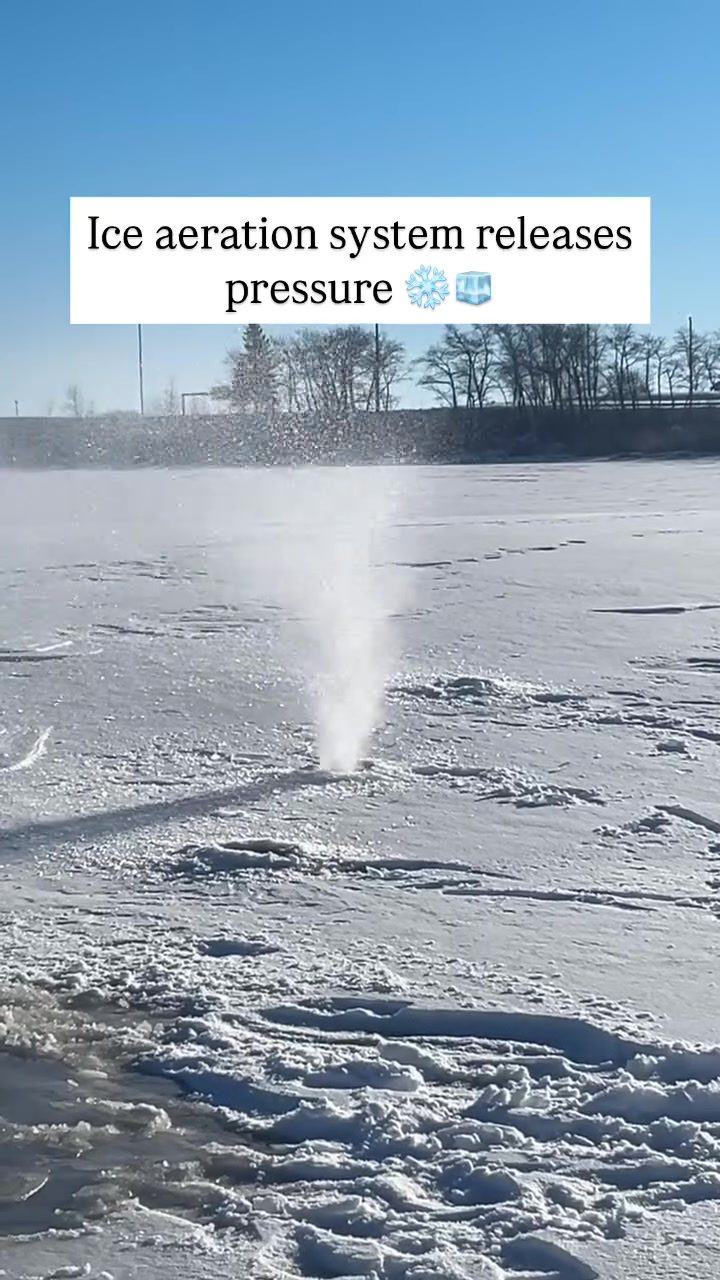
Ice aeration systems operate by releasing compressed air or oxygen into the water beneath the ice. This process creates a visible vapor plume, as seen in the visual summary of an ice aeration system releasing pressure. The release of air not only introduces oxygen but also helps to prevent the buildup of toxic gases that can form under the ice, such as hydrogen sulfide and carbon dioxide.
The Aeration Process
The process begins with the release of pressure, which drives air through the ice. This action creates a column of vapor that rises from the ice, as mentioned in the visual summary. The surrounding ice surface is often covered in a layer of frost due to the condensation of water vapor in the cold air. This visible effect is both a sign of the system's operation and a testament to its effectiveness in mixing the water column.
Benefits of Aeration
-
Oxygenation: The primary benefit of aeration is the introduction of oxygen into the water. This is crucial for the survival of fish and other aquatic organisms that require oxygen to live.
-
Gas Exchange: Aeration helps to remove harmful gases that can accumulate under the ice, such as hydrogen sulfide and carbon dioxide. This gas exchange is essential for maintaining a healthy aquatic environment.
-
Prevention of Ice Damage: By releasing pressure, aeration systems can help prevent the buildup of excess pressure under the ice, which can lead to ice heaving and damage to the surrounding area.
Challenges and Considerations
While ice aeration systems offer numerous benefits, there are also challenges and considerations to keep in mind. For instance, the release of pressure can sometimes be noisy, which may disturb local wildlife or nearby residents. Additionally, the installation and maintenance of these systems can be costly, so it's important to weigh the benefits against the potential drawbacks.
Practical Tips
When considering the use of an ice aeration system, here are some practical tips to keep in mind:
-
Choose the Right System: Different systems have different capacities and applications. Ensure you select a system that is suitable for the size and depth of the body of water you are working with.
-
Install Properly: Proper installation is crucial for the effectiveness of the system. Make sure the system is correctly positioned and secured to avoid any malfunctions or damage.
-
Monitor Regularly: Regular monitoring of the system is essential to ensure it is working correctly. Check the system for any signs of wear and tear, and perform regular maintenance as needed.
-
Consider the Environment: Be mindful of the local environment and wildlife. Position the system in a way that minimizes disturbance to local flora and fauna.
Important Takeaways
Ice aeration systems are a vital tool for maintaining water quality in frozen bodies of water. They offer numerous benefits, including oxygenation, gas exchange, and prevention of ice damage. However, it's important to choose the right system, install it properly, and monitor it regularly to ensure optimal performance. By doing so, you can help maintain a healthy aquatic ecosystem during the winter months.
Conclusion
Ice aeration systems play a critical role in maintaining the health of aquatic environments during the winter. By releasing pressure and introducing oxygen into the water, these systems help to prevent the buildup of harmful gases and ensure the survival of aquatic life. Whether you're a landowner, a fisherman, or an environmentalist, understanding and utilizing ice aeration systems can make a significant difference in preserving our natural resources.
Watch the Reel
Questions readers ask
Why is oxygen important for water quality under ice?
Oxygen is crucial for maintaining water quality under ice as it supports the survival of aquatic life. Without oxygen, fish and other organisms can suffocate, and harmful gases can accumulate, leading to ecological problems. Ice aeration systems help to maintain oxygen levels, promoting a healthier aquatic environment.
How do ice aeration systems help prevent pond turnovers?
Ice aeration systems help prevent pond turnovers by continuously introducing oxygen into the water, which reduces the buildup of harmful gases and maintains a stable water temperature. This prevents the sudden mixing of water layers that can lead to fish kills and other ecological issues.
What are the benefits of using ice aeration systems for lake de-icing?
Ice aeration systems assist in de-icing by releasing compressed air or oxygen through the ice, which can help to break up the ice layer and improve water circulation. This enhances oxygenation, prevents toxic gas buildup, and ensures that aquatic life can survive throughout the winter.
How can ice aeration systems be useful for ice fishing?
For ice fishermen, aeration systems ensure that fish remain healthy and active under the ice, increasing the chances of a successful catch. Additionally, these systems can help maintain a fishing hole by preventing it from refreezing quickly, creating a safer experience for fishing.
What are some tips for maintaining ice aeration systems?
Regular maintenance of ice aeration systems includes checking for any blockages in the air lines, inspecting the compressor or oxygen source, and ensuring that the system is properly secured to the ice. Additionally, it's important to monitor the water quality and oxygen levels to confirm that the system is functioning effectively.
Why is ice aeration important for winter lake maintenance?
Ice aeration is vital for winter lake maintenance as it helps to sustain aquatic life by providing the necessary oxygen, preventing the buildup of harmful gases, and maintaining water quality. This ensures that the lake ecosystem remains healthy and balances the water chemistry, preventing potential issues when the ice melts in the spring.
Related deep dives
Similar reads based on topic and creator.




Recent articles
Fresh deep dives from the latest Reels we unpacked.




Comments
Be the first to comment.