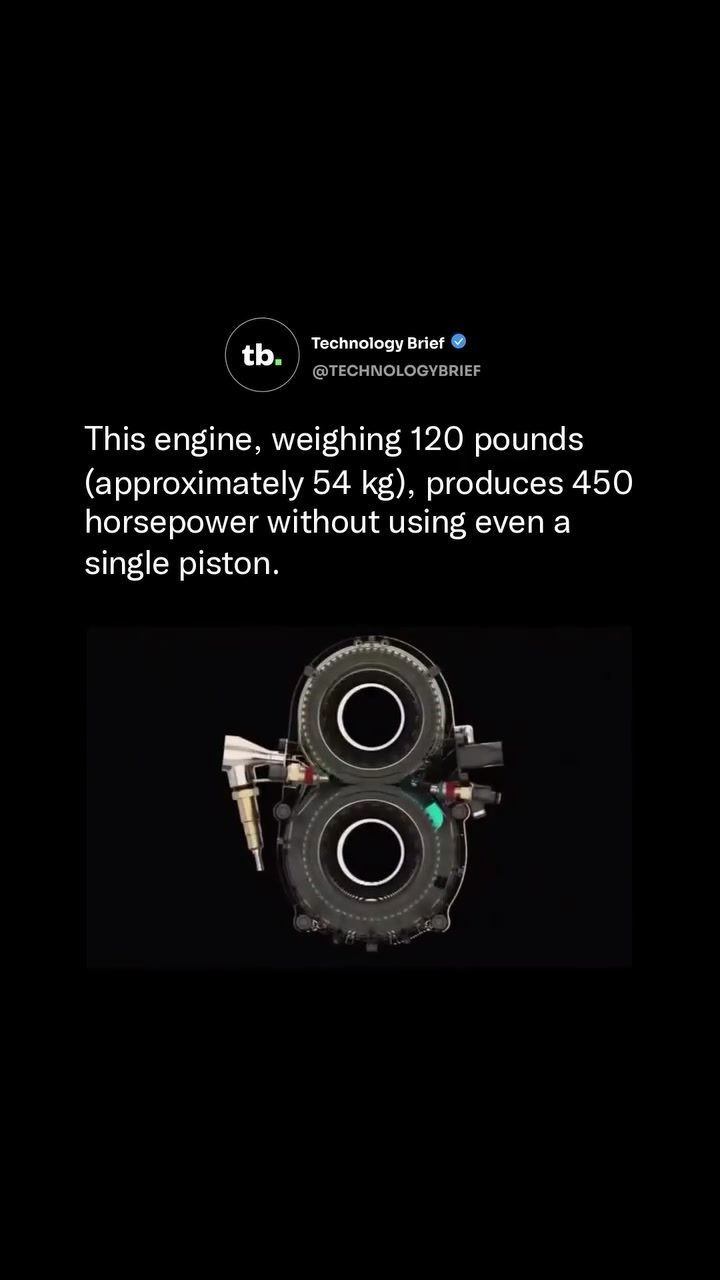
Hydrogen Engines: The Revolutionary H2 Starfire
Hydrogen engines are becoming increasingly prominent in the quest for clean and efficient energy solutions. Among the cutting-edge developments in this field is the H2 Starfire, a remarkable creation by Kansas-based Astron Aerospace. This hydrogen-powered rotary engine stands out for its unique design and impressive performance capabilities, offering a glimpse into the future of sustainable power generation.
The Evolution of Hydrogen Engines
Hydrogen engines have long been a subject of interest for researchers and engineers due to their potential to reduce carbon emissions and dependence on fossil fuels. The H2 Starfire represents a significant leap forward in this technology, building upon the lessons learned from earlier concepts like the Astron Omega-1.
The Omega-1, a previous rotary engine concept, was so innovative that it was later removed from public view. Now, Astron Aerospace has returned with the H2 Starfire, which promises even more groundbreaking features.
The H2 Starfire is designed to operate without traditional pistons, which are common in conventional engines. Instead, it employs two counter-rotating rotors that manage all four strokes of the engine cycle simultaneously.
One rotor, made of aluminum, handles intake and compression, while the other, made of titanium, manages combustion and exhaust. This dual-rotor design allows the engine to perform four strokes—intake, compression, combustion, and exhaust—with every single rotation. This innovative approach is a significant departure from traditional engine designs, which typically require multiple strokes to complete a single cycle.
Key Features of the H2 Starfire
Compact and Lightweight Design
The H2 Starfire measures roughly 11 by 15 inches, making it exceptionally compact for an engine of its power. Despite its small size, it weighs only 120 pounds (approximately 54 kg), which is remarkably light for an engine capable of producing 450 horsepower and 600 pound-feet of torque. This lightweight design is achieved through the use of high-strength, lightweight materials and a simplified construction that includes only 82 total parts, nuts and bolts included.
High-Speed Operation
One of the most impressive features of the H2 Starfire is its ability to run at extremely high speeds. The engine can operate at up to 25,000 revolutions per minute (RPM) with virtually no heat buildup. This high-speed capability is made possible by the engine's unique design, which minimizes friction and eliminates the need for a liquid cooling system. As a result, the engine can reach 60% thermal efficiency, which is triple the efficiency of a typical car engine that usually operates at around 20%.
Zero Emissions
The H2 Starfire burns hydrogen and produces only water vapor as a byproduct, resulting in zero harmful emissions under ideal conditions. This makes it an environmentally friendly option for various applications, from powering vehicles to generating electricity in remote locations.
The engine has demonstrated exceptional durability, having run for 100,000 hours, or 11 years, without a break. This impressive lifespan is a testament to the engine's robust design and the quality of its components.
The Technology Behind the H2 Starfire
The H2 Starfire's innovative design sets it apart from traditional engines. Instead of relying on pistons that move up and down, the H2 Starfire uses two counter-rotating rotors to handle all four strokes of the engine cycle. This design allows the engine to perform four strokes with every single rotation, resulting in a more efficient and powerful operation.
Dual-Rotor System
The dual-rotor system is the heart of the H2 Starfire's innovative design. One rotor, made of aluminum, manages intake and compression, while the other, made of titanium, handles combustion and exhaust. This separation of duties allows for a more streamlined and efficient operation, reducing the overall complexity of the engine.
Materials and Construction
The H2 Starfire is constructed using high-strength, lightweight materials, which contribute to its compact size and lightweight design. The engine's component count has been minimized to only 82 parts, which helps reduce weight and improve efficiency. This minimalist approach also makes the engine easier to maintain and repair.
Efficiency and Environmental Impact
The H2 Starfire's design eliminates most friction and removes the need for a liquid cooling system, resulting in a more efficient and environmentally friendly engine. The engine's high thermal efficiency of 60% means that it converts a larger portion of the energy from the hydrogen fuel into useful work, reducing waste and improving overall performance.
The H2 Starfire's zero-emission operation makes it an ideal solution for applications where environmental impact is a concern. The engine's ability to run on hydrogen, a clean and renewable fuel, further enhances its appeal as a sustainable energy solution.
Practical Tips for Implementing Hydrogen Engines
Understanding the Technology
Before implementing a hydrogen engine like the H2 Starfire, it's essential to understand the technology and its unique requirements. Hydrogen engines operate differently from traditional internal combustion engines, and they require specialized knowledge and equipment for installation and maintenance.
Infrastructure Considerations
Implementing a hydrogen engine may require significant infrastructure investments, including hydrogen fueling stations and storage solutions. It's crucial to consider these factors when planning for a hydrogen engine installation.
Maintenance and Safety
Hydrogen engines, like any other engine, require regular maintenance to ensure optimal performance and longevity. It's essential to follow the manufacturer's recommendations for maintenance and safety procedures to maximize the engine's lifespan and minimize the risk of accidents.
Important Takeaways
The H2 Starfire represents a significant advancement in hydrogen engine technology. Its innovative design, high efficiency, and zero-emission operation make it an attractive option for various applications, from powering vehicles to generating electricity in remote locations.
The dual-rotor system, high-speed operation, and compact design are just a few of the features that set the H2 Starfire apart from traditional engines. As the demand for clean and efficient energy solutions continues to grow, hydrogen engines like the H2 Starfire are poised to play an increasingly important role in the energy landscape.
Conclusion
The H2 Starfire is a testament to the potential of hydrogen engines in providing clean, efficient, and sustainable power. With its innovative design, high efficiency, and zero-emission operation, the H2 Starfire offers a compelling alternative to traditional engines. As research and development in hydrogen engine technology continue, we can expect to see even more groundbreaking innovations in the years to come. The H2 Starfire is just the beginning of a new era in engine technology, one that promises a cleaner, more sustainable future.
Watch the Reel
Questions readers ask
How does the H2 Starfire engine from Astron Aerospace differ from traditional combustion engines?
The H2 Starfire engine is a hydrogen combustion engine that uses a dual-rotor design, unlike traditional, piston-based engines. This design allows the engine to complete all four strokes in a single rotation, making it more efficient and eco-friendly. The engine produces 450 horsepower, showcasing a powerful yet sustainable approach to energy.
What makes the H2 Starfire engine a significant step forward in clean energy technology?
Astron Aerospace's H2 Starfire stands out for its efficiency and power output, generating 450 horsepower with a compact, dual-rotor design. The engine's innovative combustion process and clean fuel source, hydrogen, make it a significant advancement in the quest for sustainable power generation.
How does the H2 Starfire engine contribute to reducing carbon emissions?
The H2 Starfire uses hydrogen as its primary fuel source, which produces no direct carbon emissions. Unlike traditional engines that rely on fossil fuels, this hydrogen combustion engine burns clean energy, making it an eco-friendly alternative for reducing carbon footprints and mitigating environmental impact.
What are the benefits of the dual-rotor design in the H2 Starfire engine?
The dual-rotor design of the H2 Starfire engine allows it to complete all four engine strokes in a single rotation, unlike the pistons in traditional engines. This design makes the engine more efficient, compact, and powerful, offering a unique approach to clean energy technology.
Where is the H2 Starfire engine manufactured, and what company is behind its development?
The H2 Starfire engine is developed and manufactured by Astron Aerospace, a company based in Kansas. Astron Aerospace has been at the forefront of hydrogen engine innovation, contributing significantly to the field of clean and efficient power generation.
Related deep dives
Similar reads based on topic and creator.




Recent articles
Fresh deep dives from the latest Reels we unpacked.




Comments
Be the first to comment.