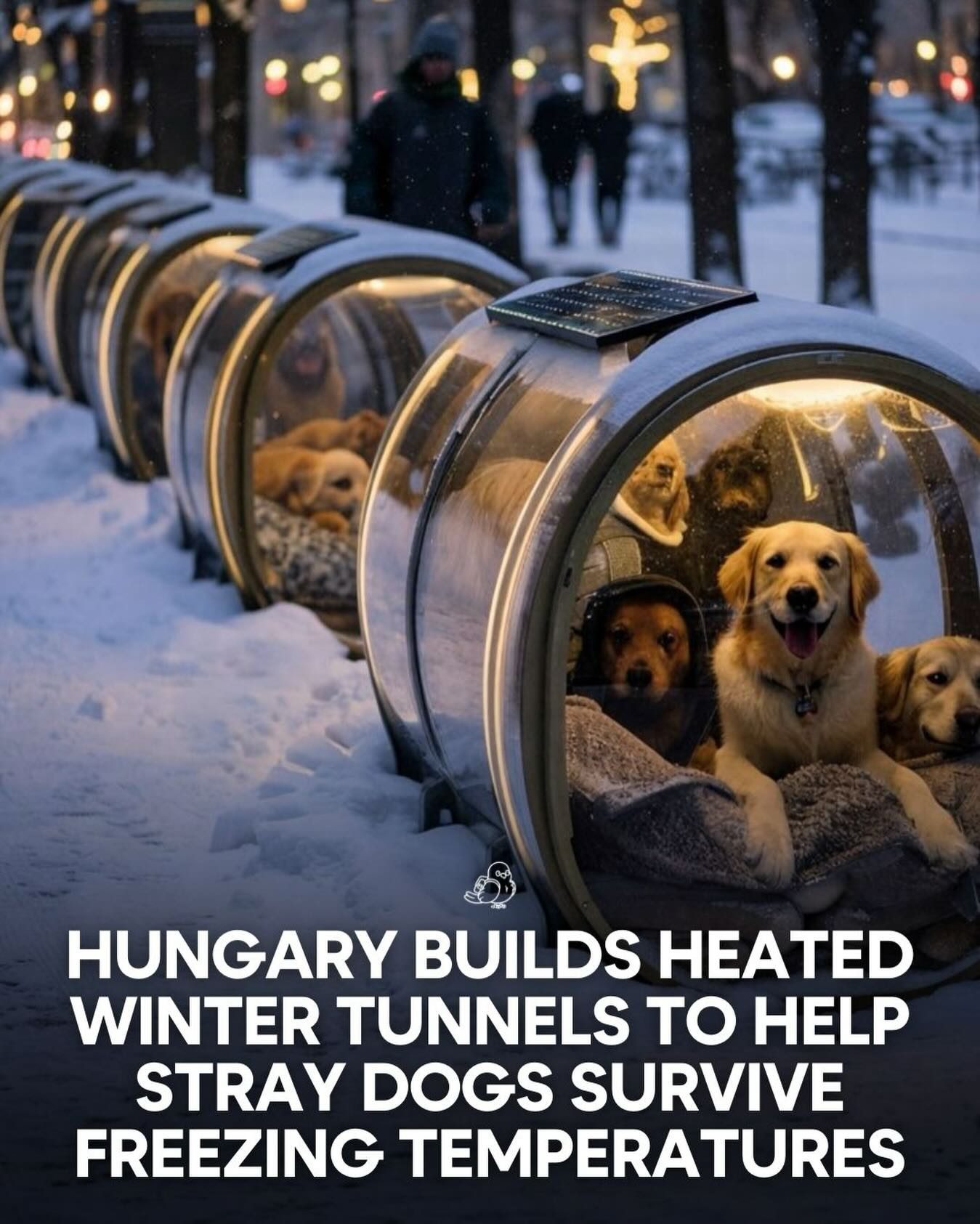
Heated Winter Tunnels: Hungary's Innovative Solution for Stray Dogs
As winter sets in and temperatures plummet below freezing, the welfare of stray dogs becomes a pressing concern. In response to this challenge, Hungary has implemented an innovative solution: heated tunnel-style shelters. These insulated pods provide a lifeline for stray dogs, offering warmth, bedding, and a safe haven during the harshest winter conditions. This initiative is part of a broader animal welfare effort, blending humane design with sustainability to ensure that vulnerable animals can survive the cold.
Why This Matters
Animal welfare is a critical issue, especially during extreme weather conditions. Stray dogs are particularly vulnerable to the elements, and without proper shelter, they face a significant risk of hypothermia and other cold-related health issues. Hungary's heated tunnel shelters address this problem head-on, providing a practical and effective solution that can be adapted and replicated in other regions facing similar challenges.
The Design and Functionality of Heated Tunnels
Insulated and Durable Construction
The heated tunnels are designed with durability and insulation in mind. Constructed from robust materials, these shelters are built to withstand the harshest winter conditions while providing a cozy, warm environment for stray dogs. The insulation helps retain heat, ensuring that the interior remains comfortable even in freezing temperatures. The tunnels are cylindrical, which not only provides ample space for the dogs but also minimizes the surface area exposed to the cold, further enhancing their insulating properties.
Heating Elements and Power Sources
The heating elements within the tunnels are strategically placed to ensure even distribution of warmth. This design prevents cold spots and ensures that every part of the shelter remains comfortable for the dogs. The power source for these heating elements is typically solar or electrical, depending on the location and availability of resources. This sustainable approach not only helps the dogs but also contributes to environmental conservation.
Bedding and Comfort
Inside the tunnels, beds provide additional comfort and insulation. The bedding is designed to be easy to clean and maintain, ensuring a hygienic environment for the dogs. This attention to detail goes a long way in promoting the overall health and well-being of the animals.
Practical Tips for Implementing Heated Tunnels
Assessing Local Needs
Before implementing heated tunnels, it's essential to assess the local needs and environmental conditions. Understanding the specific challenges faced by stray dogs in your area will help in designing a solution that is both effective and sustainable.
Community Involvement
Community involvement is crucial for the success of any animal welfare initiative. Engaging local volunteers and animal welfare organizations can provide the necessary manpower and resources. This collaborative effort ensures that the shelters are well-maintained and that the dogs receive the care they need.
Maintenance and Upkeep
Regular maintenance is key to keeping the heated tunnels functional and safe. This includes checking the heating elements, ensuring the insulation is intact, and cleaning the beds. A well-maintained shelter will provide long-term benefits to the dogs and the community.
Funding and Resources
Securing funding and resources is essential for the successful implementation of heated tunnels. Grants, donations, and sponsorships can provide the necessary financial support. Additionally, partnerships with local businesses and organizations can help in securing the required materials and expertise.
Important Takeaways
Hungary's initiative to build heated tunnel shelters for stray dogs is a testament to the power of innovative thinking and community effort. These shelters not only provide a warm and safe place for stray dogs but also contribute to broader sustainability goals. By adopting a similar approach, communities around the world can significantly improve the welfare of stray animals during harsh winter conditions.
Conclusion
As winter approaches, it's crucial to think about the animals that are most vulnerable to the cold. Hungary's heated tunnel shelters offer a practical, sustainable solution to protect stray dogs from freezing temperatures. By combining humane design with environmental consciousness, these shelters provide a lifeline for animals in need. Whether you're an animal welfare advocate, a community leader, or simply someone who cares about the well-being of stray dogs, these innovative shelters serve as a model for making a tangible difference in the lives of our furry friends.
Watch the Reel
Questions readers ask
What are the key features of Hungary's heated tunnel shelters for stray dogs?
Hungary's heated tunnel shelters are designed with insulation and durability to withstand harsh winter conditions. They are equipped with sustainable power sources to provide consistent warmth and have comfortable bedding for the dogs.
How do these shelters benefit stray dogs during winter?
These shelters offer stray dogs a refuge from extreme cold, providing warmth and safety. They help prevent hypothermia and frostbite, which are significant risks for dogs left outside in freezing temperatures.
Can these heated tunnel shelters be used in other regions with cold winters?
Yes, the innovative design of these shelters makes them suitable for replication in other regions experiencing similar severe winter conditions. Their sustainable and durable design allows them to be adapted to various climates.
What makes the design of these shelters both humane and sustainable?
The shelters are humane as they provide warmth, safety, and comfort to stray dogs. They are sustainable due to their use of insulated materials and renewable power sources, ensuring long-term viability and reducing environmental impact.
How do these shelters address the problem of stray dog survival in freezing temperatures?
By offering a heated and safe space, these shelters significantly improve the chances of stray dogs surviving harsh winter conditions. They provide a controlled environment that protects dogs from the direct impact of freezing temperatures.
What are the potential benefits of replicating this shelter design in other countries?
Replicating this design can lead to improved animal welfare in regions with severe winters. It can also inspire further innovation in sustainable and durable shelter solutions for stray animals facing extreme weather conditions.
Recent articles
Fresh deep dives from the latest Reels we unpacked.




Comments
Be the first to comment.