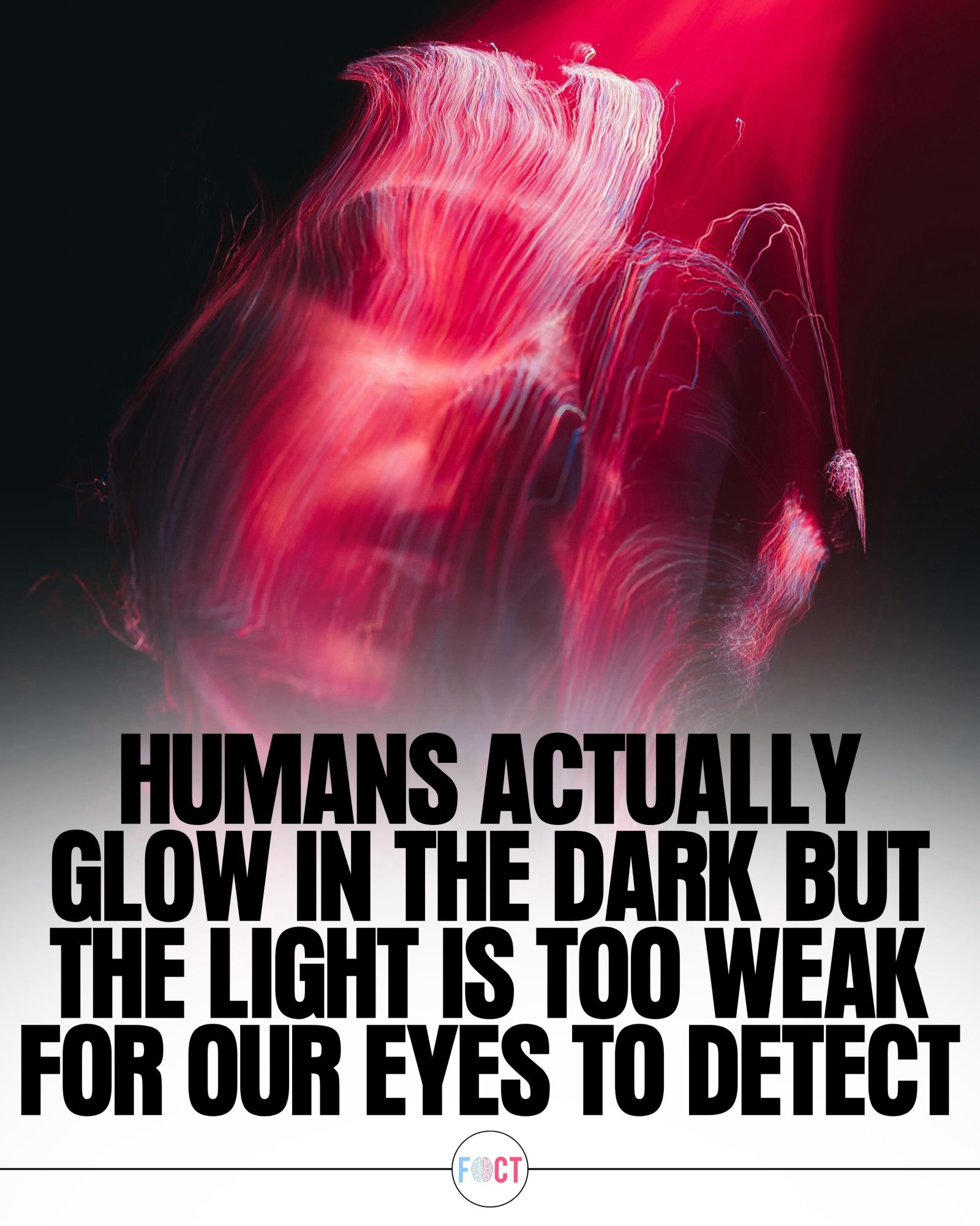
Bioluminescence in Humans
Humans naturally emit a faint glow, a phenomenon known as bioluminescence. This glow is the result of chemical reactions within the body that involve free radicals and reactive oxygen species. The light produced, called biophoton emission, is incredibly dim—about 1,000 times fainter than what the human eye can detect. Even though this light is imperceptible to us, it holds significant implications for understanding our metabolism and overall health. Let’s delve into the fascinating world of human bioluminescence, exploring its causes, detection methods, and potential applications.
Why This Matters
Understanding bioluminescence in humans offers a unique window into our physiological processes. This subtle glow, though invisible to the naked eye, can provide insights into metabolic changes and overall health. It also opens up new avenues for scientific research and potential diagnostic tools. By studying bioluminescence, scientists can gain a deeper understanding of how our bodies function at a molecular level, paving the way for innovative health monitoring techniques.
The Science of Bioluminescence in Humans
Humans emit biophotons, a form of bioluminescence, through a complex interplay of chemical reactions. This process involves the interaction of free radicals and reactive oxygen species, which are byproducts of normal cellular metabolism. These reactions produce light, but it is so faint that it escapes detection by the human eye.
Chemical Reactions and Free Radicals
The production of biophotons in the human body is a byproduct of metabolic processes. Free radicals and reactive oxygen species, which are generated during cellular activities, participate in these reactions. These species can react with various molecules in the body, leading to the emission of photons. The intensity of this light is incredibly low, making it undetectable to our eyes without the aid of highly sensitive cameras.
Detection and Measurement
The faint nature of biophoton emission means it can only be detected using specialized equipment. Scientists utilize highly sensitive cameras to capture this subtle light. These cameras are designed to detect the low levels of light emitted by the body, allowing researchers to study the phenomenon in detail. The captured images reveal that this glow follows a daily cycle, being brightest in the late afternoon and faintest during the night. This cyclic pattern offers valuable insights into the body’s metabolic fluctuations and overall health status.
Practical Tips for Understanding and Detecting Bioluminescence
For those interested in exploring bioluminescence further, here are some practical tips:
Equipment and Technology
-
High-Sensitivity Cameras: To observe bioluminescence, you need cameras equipped with highly sensitive sensors. These cameras can capture the faint light emitted by the body, revealing the patterns and intensity of biophoton emission.
-
Data Analysis Software: After capturing the images, specialized software is required to analyze the data. This software can enhance the visibility of the faint glow and provide quantitative measurements of its intensity.
Research and Experimentation
-
Controlled Environments: Conducting experiments in controlled environments can help minimize external light interference. This allows for more accurate detection and measurement of bioluminescent emissions.
-
Long Exposure Times: Since the light is so faint, using long exposure times in photography can help capture more photons, making the glow more visible.
Health Implications
-
Monitoring Health: By studying bioluminescence, researchers can develop new diagnostic tools for monitoring health. Changes in the pattern and intensity of biophoton emission can indicate alterations in metabolic processes, potentially serving as early warning signs for various health conditions.
-
Exploring Metabolism: The study of bioluminescence provides a unique perspective on metabolism. Understanding the factors that influence biophoton emission can offer insights into metabolic regulation and health maintenance.
Important Takeaways
Bioluminescence in humans is a fascinating and relatively unexplored area of scientific research. The faint glow emitted by our bodies, though imperceptible to the naked eye, holds significant potential for understanding our physiology and health. Key points to remember include:
- Chemical Reactions: Bioluminescence in humans is the result of chemical reactions involving free radicals and reactive oxygen species.
- Detection Methods: Specialized, highly sensitive cameras are required to detect and capture the faint biophotons.
- Health Insights: The bioluminescent glow follows a daily cycle, reflecting changes in metabolism and overall health.
Conclusion
The phenomenon of human bioluminescence offers a unique and fascinating glimpse into our body’s internal workings. By understanding and harnessing this subtle glow, scientists can develop new tools for monitoring health and gaining insights into metabolic processes. While the light is too weak for us to see, it serves as a powerful indicator of underlying biological activities, paving the way for innovative research and diagnostic techniques. As we continue to explore this area, the potential applications and benefits of studying bioluminescence in humans are vast and exciting.
Watch the Reel
Questions readers ask
Why can't humans see their own bioluminescence?
Human bioluminescence is approximately 1,000 times fainter than what the human eye can detect. This is due to the incredibly dim nature of the biophoton emissions produced by chemical reactions within the body, the reactions involving free radicals and reactive oxygen species.
How is human bioluminescence detected if it is too faint to see?
Specialized equipment, such as extremely sensitive cameras, is used to detect this faint glow. These tools can capture the biophoton emissions that are imperceptible to the human eye and provide insights into our physiological processes, which can help us understand our health better and detect metabolic changes in the body.
What causes the natural glow in humans?
The natural glow in humans, also known as bioluminescence, is caused by chemical reactions within the body. These reactions involve free radicals and reactive oxygen species, which produce a faint light called biophoton emission.
Can human bioluminescence be enhanced to be visible?
Currently, there is no known method to enhance human bioluminescence to the point where it is visible to the naked eye. The light produced is far too faint to be perceived without specialized equipment. Research in this area is ongoing, but it is still in its early stages.
What can human bioluminescence tell us about our health?
Human bioluminescence, specifically biophoton emissions, can provide insights into metabolic changes and overall health. By studying these emissions, researchers can gain a better understanding of our physiological processes and potentially identify health issues that may not be apparent through other means.
What is biophoton emission?
Biophoton emission is the technical term for the light naturally emitted by living organisms, including humans. It is a result of chemical reactions within the body and is incredibly faint. This light is not visible to the human eye but can be detected with specialized equipment, providing insights into our health and metabolism.
Recent articles
Fresh deep dives from the latest Reels we unpacked.




Comments
Be the first to comment.