Humanoid Robots in Everyday Homes
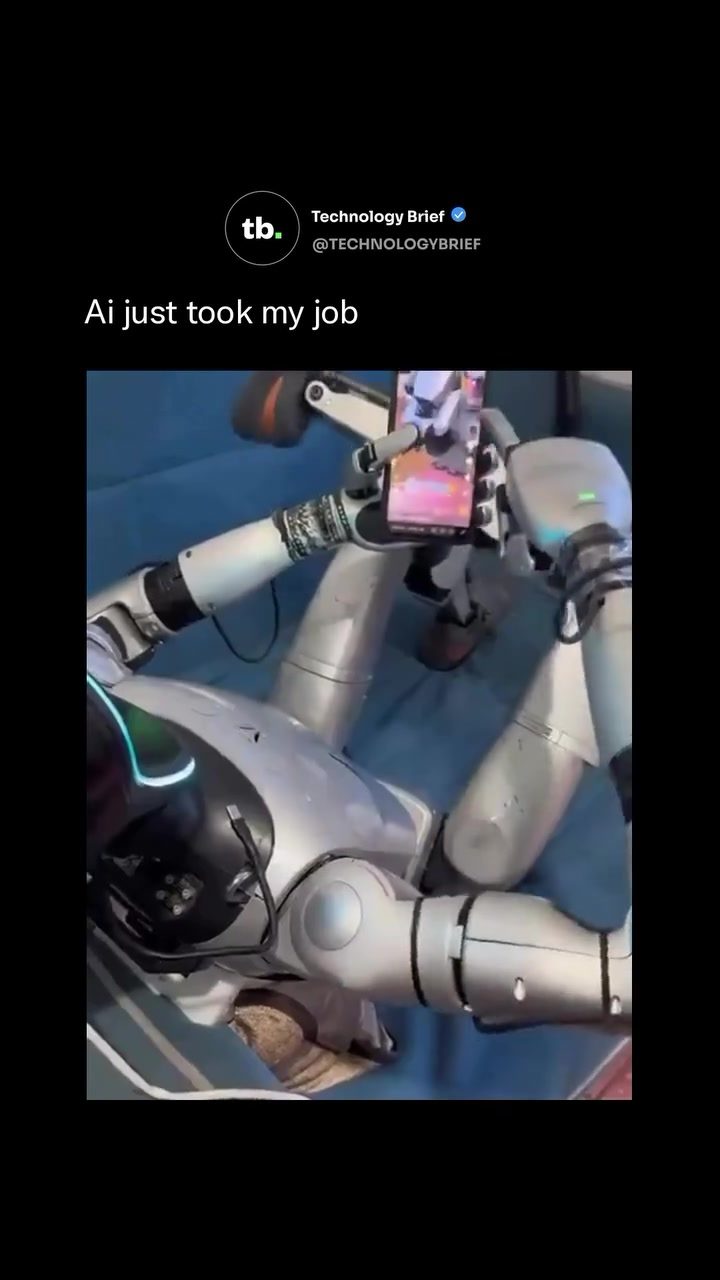
Humanoid robots have evolved beyond their initial roles in factories and are now being demonstrated in everyday home settings. These robots are shown performing tasks such as lying on a couch and scrolling through short-form videos on a smartphone, mimicking human-like actions with remarkable precision. This evolution in dexterity and motion control showcases how far the technology has come, with robots now able to handle small objects, operate touchscreens, and adopt natural resting positions.
Context / Why this matters
The advancements in humanoid robotics are not just about technological progress; they represent a significant shift in how we perceive and integrate robots into our daily lives. Leading companies like Tesla, Figure AI, Unitree, and UBTECH have been at the forefront of this revolution, pushing the boundaries of what humanoids can achieve. The year 2025 has been marked as a turning point for the industry, with robots now capable of tasks that were once deemed impossible.
Main discussion
The Evolution of Humanoid Robots
Humanoid robots have come a long way from their early days. Initially designed for industrial tasks, these robots are now being developed to handle a wide range of everyday activities. The ability to lie on a couch and scroll through a smartphone is a testament to the advancements in motion control and dexterity. This development is not just about replicating human actions but also about integrating robots into environments designed for human use.
Key Advancements in 2025
2025 has been a pivotal year for the humanoid robotics industry. Companies have made rapid strides in developing robots that can maneuver through everyday settings with ease. Robots that previously struggled to walk in a straight line can now handle small objects, operate touchscreens, and mimic natural resting positions. These advancements are a result of significant improvements in motion control, dexterity, and overall design.
The Goal Behind Humanoid Robots
The ultimate goal of these advancements is to show that humanoids can navigate a world designed for human hands and bodies. This goes beyond just warehouse floors and includes everyday objects and furniture. The ability to lie on a couch and use a smartphone is a clear demonstration of this capability. By doing so, these robots are not just performing tasks but are also integrating into human environments in a way that was not possible before.
Industry Projections
Analysts project that the humanoid robot industry could grow into a $5 trillion market. This growth is driven by the rapid advancements in technology and the increasing demand for robots that can perform a wide range of tasks. As manufacturers race toward mass production, the potential for humanoid robots to become a ubiquitous part of everyday life is becoming more and more real.
The Role of Leading Companies
Companies like Tesla, Figure AI, Unitree, and UBTECH have been instrumental in pushing the capabilities of humanoid robots forward. Each of these companies has contributed to the rapid advancements seen in 2025, from improving motion control to enhancing dexterity and overall design. Their efforts have not only advanced the technology but have also set new standards for what is possible in the field of robotics.
Practical tips
Integrating Robots into Everyday Life
For those looking to integrate robots into their daily lives, it is important to consider the specific tasks the robot will be performing. Robots that can handle small objects and operate touchscreens are more suited for home environments. It is also important to ensure that the robot can navigate the space comfortably, which includes considerations for furniture and layout.
Choosing the Right Robot
When choosing a humanoid robot, it is essential to look for models that offer advanced motion control and dexterity. Robots that can mimic natural movements and handle small objects are more likely to integrate seamlessly into a human environment. Additionally, consider the specific tasks you want the robot to perform and choose a model that is designed for those tasks.
Important takeaways
The advancements in humanoid robotics have far-reaching implications. These robots are no longer confined to factories but are now capable of performing everyday tasks in home settings. The ability to lie on a couch and scroll through a smartphone is just one example of the remarkable progress made in this field. As the industry continues to grow, the potential for humanoid robots to become an integral part of our daily lives is becoming more and more real.
Conclusion
Humanoid robots have made significant strides in 2025, with companies like Tesla, Figure AI, Unitree, and UBTECH leading the way. The ability of these robots to perform everyday tasks, such as lying on a couch and scrolling through a smartphone, showcases the remarkable advancements in motion control and dexterity. As the industry continues to grow, the potential for humanoid robots to become a ubiquitous part of our daily lives is becoming more and more real. With the right integration and selection, these robots can enhance our daily experiences and pave the way for a future where robots and humans coexist seamlessly.
Watch the Reel
Questions readers ask
How are humanoid robots transitioning from industrial to home use?
Humanoid robots are evolving from their traditional roles in factories to more interactive roles in home environments. They are now designed to perform everyday tasks, such as scrolling through a smartphone or relaxing on a couch, which demonstrates their increasing versatility and human-like capabilities.
What kinds of tasks can humanoid robots perform in a home setting?
In home settings, humanoid robots can handle a variety of tasks. They can manipulate small objects, operate touchscreens, and even adopt natural resting positions, such as lying on a couch. This makes them more integrated into daily life activities.
Which companies are leading the development of humanoid robots for home use?
Companies like Tesla, Figure AI, and Unitree are at the forefront of developing humanoid robots for everyday home use. These companies are pushing the boundaries of what these robots can do in domestic settings, focusing on advanced robotics and natural human-like movements.
How do humanoid robots interact with smart home technology?
Humanoid robots are increasingly being designed to interact seamlessly with smart home technology. They can operate touchscreens and other devices, making them capable of controlling various aspects of a smart home environment, such as adjusting the temperature or playing media.
What advancements have allowed humanoid robots to mimic human actions so precisely?
The advancements in dexterity and motion control have enabled humanoid robots to mimic human actions with remarkable precision. Improvements in touchscreen operation, small object manipulation, and natural resting positions have all contributed to this evolution, making the robots more human-like in their movements and capabilities.
What are the potential benefits of having humanoid robots in everyday homes?
The integration of humanoid robots in homes can offer numerous benefits, such as assistance with daily tasks, companionship, and enhanced home automation. These robots can make daily life more convenient and interactive, providing support in ways that traditional home appliances cannot.
How do humanoid robots adapt to different home environments?
Humanoid robots are designed to navigate and adapt to various home environments. They can handle different layouts, interact with a range of home devices, and perform tasks in diverse settings, whether it's a living room, kitchen, or bedroom, making them versatile additions to any household.
Related deep dives
Similar reads based on topic and creator.


Recent articles
Fresh deep dives from the latest Reels we unpacked.




Comments
Be the first to comment.