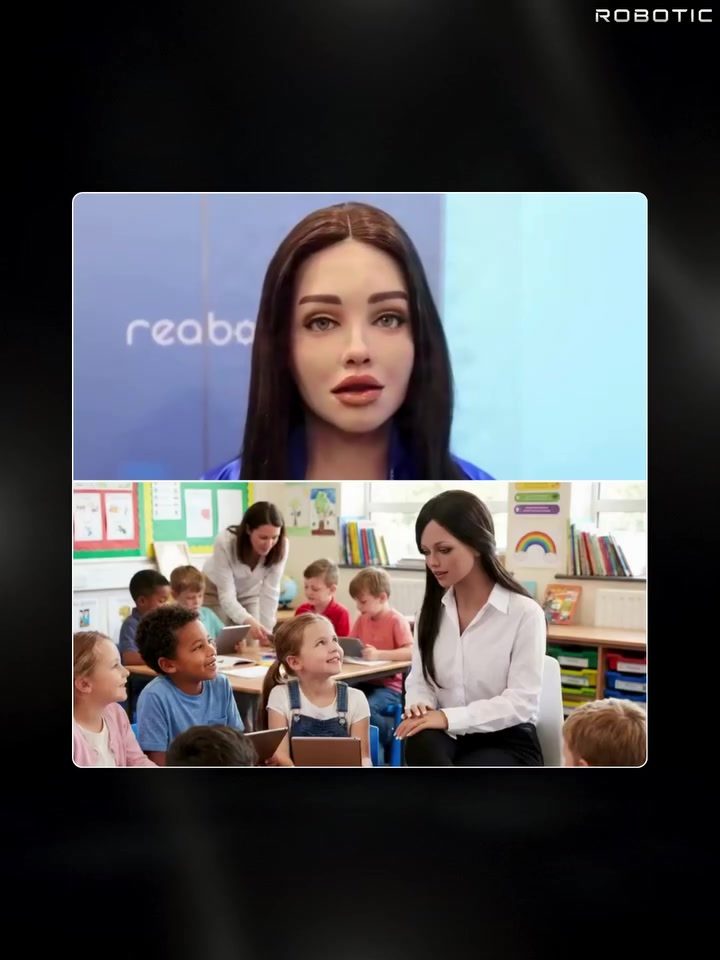
Reabody Humanoid Robot in Classrooms
Context / Why this Matters
Humanoid robots, once a staple of science fiction, are becoming a reality in today’s educational settings. Schools are increasingly adopting these advanced machines to provide students with hands-on experience in AI, robotics, and real-world technologies. The introduction of humanoid robots in classrooms is more than just a technological novelty; it represents a strategic move to prepare students for a future where AI and robotics are integral to everyday life.
Main Discussion
The Role of Humanoid Robots in Education
Humanoid robots like Reabody are designed to enhance learning experiences by offering interactive and engaging educational tools. In an 11th and 12th grade classroom setting, Reabody can assist with coding, robotics, and AI classes. It supports students in developing practical skills and critical thinking abilities, working alongside teachers to create an enriched learning environment.
Emotional Connections and Interaction
One of the standout features of humanoid robots is their ability to form emotional connections with users. Reabody, for example, learns user preferences and remembers past conversations, responding in ways that feel personal and consistent over time. While the robot does not actually feel emotions like humans do, it is designed to recognize, mirror, and behave as if it cares, making the interaction feel real and supportive.
Applications Beyond Education
Humanoid robots like Reabody are not limited to educational settings. They have applications across various fields, including customer service, healthcare, and even entertainment. For instance, Reabody has been showcased as a greeter robot, debuting its AI charm and modular style at the 2025 Bitcoin conference in the Venetian Expo. This demonstrates the versatility and potential of humanoid robots in different professional and social contexts.
Safety and Security
When introducing advanced technologies into classrooms, safety and security are paramount. Reabody operates under a secure AI system with education-focused safeguards. It does not record students’ personal data and functions under teacher supervision. This ensures that while students gain valuable experience with real-world technology, their privacy and security remain protected.
Reabody’s Potential in Robotics and AI
Reabody, built by Realbotix, embodies the cutting edge of robotics and AI technology. These robots are equipped with vision systems that enhance their capabilities, allowing them to navigate and interact with their environment more effectively. This technology not only supports students in understanding complex concepts but also provides a tangible example of how AI and robotics are being integrated into daily life.
Practical Tips
If you are considering integrating a humanoid robot into an educational setting, here are some practical tips to ensure a successful implementation:
Preparation and Training
Teachers and students should receive adequate training to effectively use and interact with the robot. Familiarize yourself with the robot’s capabilities and limitations, and ensure that both students and teachers are comfortable with the technology. Regular training sessions can help maintain a smooth integration process.
Classroom Setup
Ensure the classroom environment is conducive to the robot’s operation. This might include setting up specific areas for the robot’s interactions and ensuring that the space is free from obstructions that could hinder its movement. Consider the layout of the classroom to maximize the robot’s effectiveness in supporting learning activities.
Monitoring and Feedback
Continuously monitor the robot’s performance and gather feedback from both students and teachers. This will help identify any issues or areas for improvement, allowing you to make necessary adjustments to enhance the learning experience. Regular check-ins can also help ensure that the robot remains a valuable tool in the classroom.
Important Takeaways
Enhancing Educational Experiences
The introduction of humanoid robots like Reabody into the classroom can significantly enhance educational experiences. These robots provide hands-on learning opportunities, making complex topics more accessible and engaging for students.
Preparing for the Future
By integrating advanced technologies into the classroom, schools are preparing students for a future where AI and robotics are integral to many industries. This proactive approach ensures that students are well-equipped to navigate and innovate in a technologically advanced world.
Balancing Technology and Human Interaction
While humanoid robots offer numerous benefits, it is essential to balance their use with human interaction. The goal is to create an environment where technology enhances learning without replacing the crucial role of human teachers and mentors.
Conclusion
The introduction of Reabody, a humanoid robot, into the classroom represents a significant step forward in integrating AI and robotics into education. This technology not only provides students with hands-on experience but also prepares them for a future where these technologies are ubiquitous. By leveraging the capabilities of humanoid robots, schools can create dynamic and engaging learning environments that foster critical thinking and practical skills.
Watch the Reel
Questions readers ask
What are the main benefits of using humanoid robots like Reabody in classrooms?
Humanoid robots offer interactive and engaging learning experiences, particularly in AI, robotics, and coding. They help students develop critical thinking skills and form emotional connections, creating a supportive learning environment that goes beyond traditional methods. Additionally, they provide hands-on experience with real-world technologies.
How do humanoid robots enhance the learning experience in high school classrooms?
In high school settings, humanoid robots like Reabody can simulate real-world scenarios, making complex concepts more accessible. They provide personalized learning experiences, adapting to individual student needs and pacing. This interaction helps students grasp difficult subjects more effectively and encourages collaborative learning.
Can humanoid robots assist in subjects other than AI and robotics?
While humanoid robots excel in STEM subjects, their applications extend beyond these areas. They can assist in language learning by providing conversational practice and can be used in social studies to simulate historical events or cultural interactions. Their versatility makes them a valuable tool in various academic settings.
How do humanoid robots support emotional learning?
Humanoid robots are designed to form emotional connections with students, creating a supportive and engaging environment. They can provide feedback and encouragement, helping students build confidence and resilience. This emotional support can enhance the overall learning experience, making it more enjoyable and effective.
What are the future implications of using humanoid robots in classrooms?
As AI and robotics become more integrated into daily life, early exposure to these technologies in the classroom prepares students for future careers and challenges. Humanoid robots can inspire interest in STEM fields and equip students with the skills needed to thrive in a rapidly evolving technological landscape.
How do humanoid robots assist in robotics and coding education?
Humanoid robots provide a tangible, interactive way for students to learn about robotics and coding. By programming and interacting with these robots, students gain practical experience in coding, algorithm development, and problem-solving. This hands-on approach helps students understand the principles of robotics in a more engaging and memorable way.
Are humanoid robots like Reabody only for STEM subjects?
No, humanoid robots can be used in various subjects to enhance learning. While they are particularly beneficial for STEM subjects, they can also assist in language learning, history, and even art classes. Their ability to simulate different scenarios and provide interactive experiences makes them a versatile tool for a wide range of subjects.
Related deep dives
Similar reads based on topic and creator.




Recent articles
Fresh deep dives from the latest Reels we unpacked.




Comments
Be the first to comment.