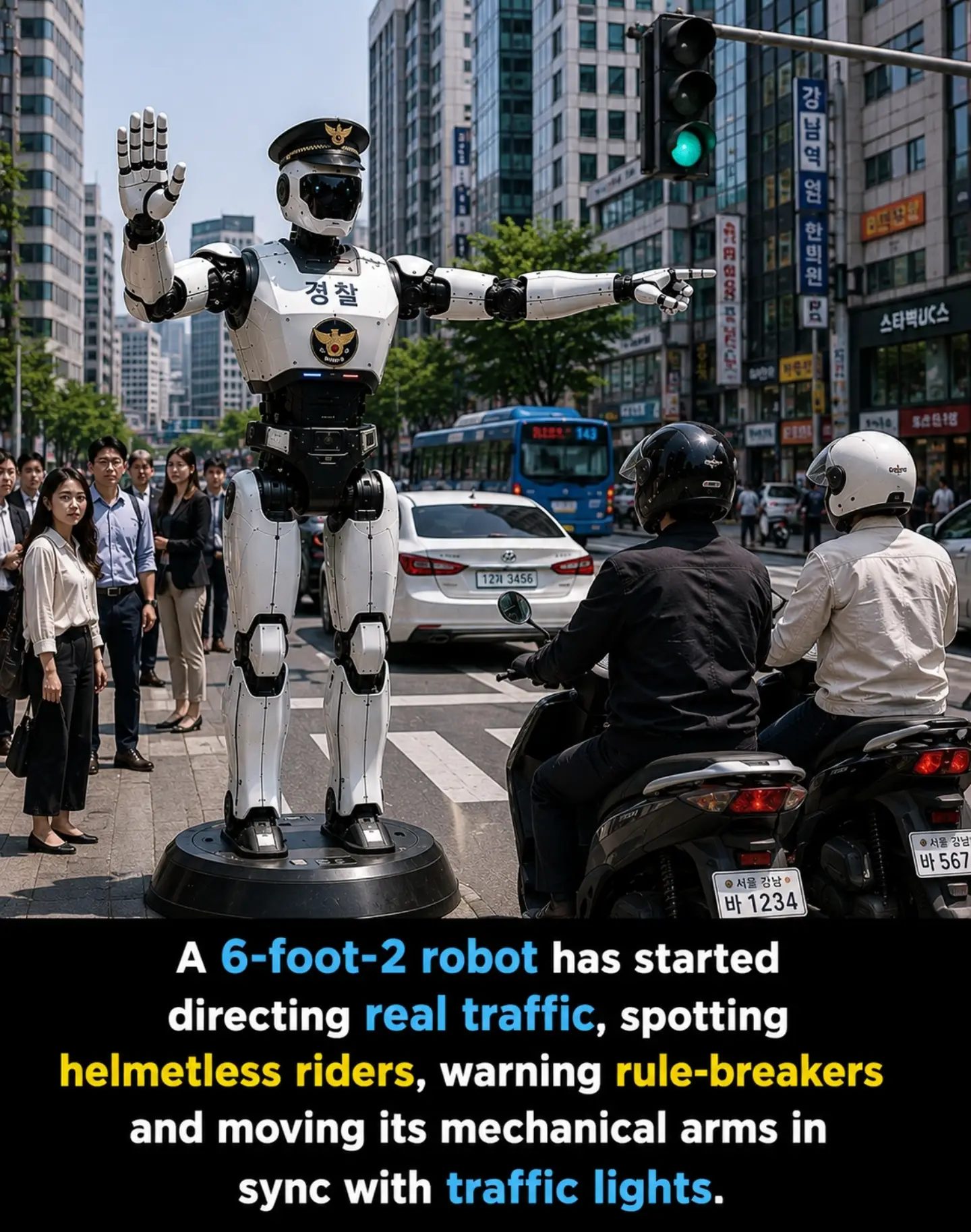
Robots Directing Traffic
Robot traffic directors are an emerging technology that combines robotics, artificial intelligence, and traffic management. While human traffic directors are a familiar sight in many cities, robots are now being deployed to handle this task, offering a unique blend of efficiency and novelty.
Why This Matters
Efficient traffic management is crucial for urban mobility and safety. Traffic directors play a vital role in maintaining the flow of vehicles, ensuring pedestrian safety, and managing congestion. Robot traffic directors enhance this process by leveraging advanced technologies.
Enhancing Traffic Management
Robot traffic directors can operate continuously without the need for breaks, reducing human error, and providing more consistent service. They can also be equipped with sensors and cameras to monitor traffic conditions in real-time, making adjustments as needed to optimize traffic flow.
Safety and Compliance
One of the key features highlighted in the demonstration is the ability of the robot to synchronize its movements with traffic lights. This synchronization not only improves the flow of traffic but also ensures that the robot's signals are consistent with the traffic lights, reducing confusion and potential accidents.
Main Discussion
The Technology Behind Robot Traffic Directors
Robot traffic directors are equipped with sophisticated sensors and cameras that allow them to monitor traffic conditions in real-time. These sensors can detect the presence of vehicles, pedestrians, and other objects, enabling the robot to make informed decisions about traffic flow.
Synchronization with Traffic Lights
A critical aspect of the robot's functionality is its ability to synchronize its movements with traffic lights. This synchronization ensures that the robot's signals are consistent with the traffic lights, reducing confusion and potential accidents. The robot's movements are designed to mimic those of a human traffic director, providing a familiar visual cue to drivers and pedestrians.
Warning and Enforcement
The robot is also designed to warn rule-breakers. This feature is particularly important in busy urban areas where traffic violations can lead to congestion, accidents, and delays. The robot can issue warnings to drivers who fail to comply with traffic rules, helping to maintain order and safety on the road.
Practical Tips
For Cities Considering Robot Traffic Directors
- Integration with Existing Systems: Ensure that the robot can be easily integrated with existing traffic management systems. This includes traffic lights, cameras, and other sensors.
- Training and Maintenance: Provide adequate training for staff who will be responsible for maintaining and operating the robot. Regular maintenance is essential to ensure the robot's reliability and effectiveness.
- Public Awareness: Launch public awareness campaigns to familiarize residents and visitors with the new technology. This can help reduce confusion and ensure that everyone understands how the robot works.
For Commuters
- Pay Attention to Signals: Remember that the robot's movements are synchronized with traffic lights. Pay close attention to both the robot's signals and the traffic lights to avoid any confusion.
- Obey Traffic Rules: The robot is designed to warn rule-breakers. Follow all traffic rules to avoid receiving warnings and to maintain a smooth flow of traffic.
Important Takeaways
Robot traffic directors represent a significant advancement in traffic management technology. They offer a range of benefits, including increased efficiency, improved consistency, and enhanced safety. However, successful implementation requires careful planning and integration with existing systems. Public awareness and training are also essential to ensure that everyone understands how the robot works and can adapt to this new technology.
Conclusion
Robot traffic directors are a fascinating and innovative solution to the challenges of urban traffic management. By leveraging advanced technologies, these robots can help to improve traffic flow, enhance safety, and reduce congestion. As cities continue to grow and evolve, the role of robot traffic directors is likely to become increasingly important, offering a glimpse into the future of urban mobility.
Watch the Reel
Questions readers ask
How do humanoid robot traffic directors improve traffic management efficiency?
Humanoid robot traffic directors enhance efficiency by operating continuously, 24/7, without the need for breaks. This constant operation helps to reduce traffic congestion. Additionally, they can make real-time adjustments and synchronize traffic lights, ensuring smoother traffic flow and fewer errors.
What are the benefits of using automated traffic control systems?
Automated traffic control systems, like robotic traffic directors, offer several benefits. They reduce human error, provide consistent service, and can handle complex traffic situations more effectively. Moreover, they free up human resources for other critical tasks and ensure the safety of pedestrians.
Can robot traffic directors synchronize with existing traffic lights?
Yes, robot traffic directors are designed to integrate seamlessly with existing traffic lights, ensuring synchronized traffic flow. This synchronization helps maintain efficient traffic management by coordinating the timing of traffic lights with the flow of vehicles and pedestrians.
What roles do humanoid robots play in enhancing the safety of traffic management?
Humanoid robots in traffic management roles improve safety by providing clear, consistent directions, reducing confusion, and minimizing human errors. Their 24/7 operation also ensures that there are always traffic directors present, even during off-peak hours, enhancing overall safety and responsiveness.
How do robots in traffic management help in managing congestion?
Robots in traffic management can help manage congestion by making real-time adjustments to traffic flow. They can quickly adapt to changing conditions, such as accidents or roadworks, and can optimize traffic light timing to keep traffic moving smoothly, thus reducing congestion and delays.
What types of traffic management tasks are suitable for robot traffic directors?
Robot traffic directors are well-suited for a variety of traffic management tasks, including directing vehicles at intersections, managing pedestrian crossings, and coordinating traffic during peak hours. They can also handle emergency situations, such as accidents or roadblocks, by providing clear and timely directions.
Related deep dives
Similar reads based on topic and creator.




Recent articles
Fresh deep dives from the latest Reels we unpacked.




Comments
Be the first to comment.