Reversing Aging: The Promise of Epigenetic Reprogramming
Age reversal is no longer a far-fetched concept confined to science fiction. Recent advancements in longevity technology have brought us closer to making it a reality. Researchers, including David Sinclair and his team, are on the brink of revolutionizing medicine by developing technologies that can reset the biological age of human tissues. Their groundbreaking work, known as 'Refuivenation', has already shown promising results in animals, primates, and human tissues grown in the lab. If successful in human trials, this technology could open new avenues for treating age-related diseases, starting with blindness.
Why This Matters
Aging is a complex process that affects all living organisms. It is characterized by a gradual decline in physiological function, leading to increased susceptibility to diseases and eventually death. Traditional medicine has focused on managing age-related diseases, but the idea of reversing the aging process itself offers a paradigm shift. By resetting the biological age of tissues, we could potentially restore lost functions, improve health, and extend lifespan.
The Science Behind Epigenetic Reprogramming
Epigenetic reprogramming is the key to this revolutionary approach. Epigenetics refers to the study of heritable changes in gene expression that do not involve changes to the underlying DNA sequence. Aging, in part, is thought to occur because cells lose access to youthful biological information over time. Epigenetic reprogramming aims to restore this youthful information, allowing cells to function as they did when they were younger.
In animal studies, researchers have reported remarkable outcomes:
- Restored vision in aged mice
- Rejuvenated tissues with improved function
- Enhanced cellular function and longevity
The goal now is to translate these findings into safe and effective treatments for humans.
The Path to Human Trials
The First Target: Blindness
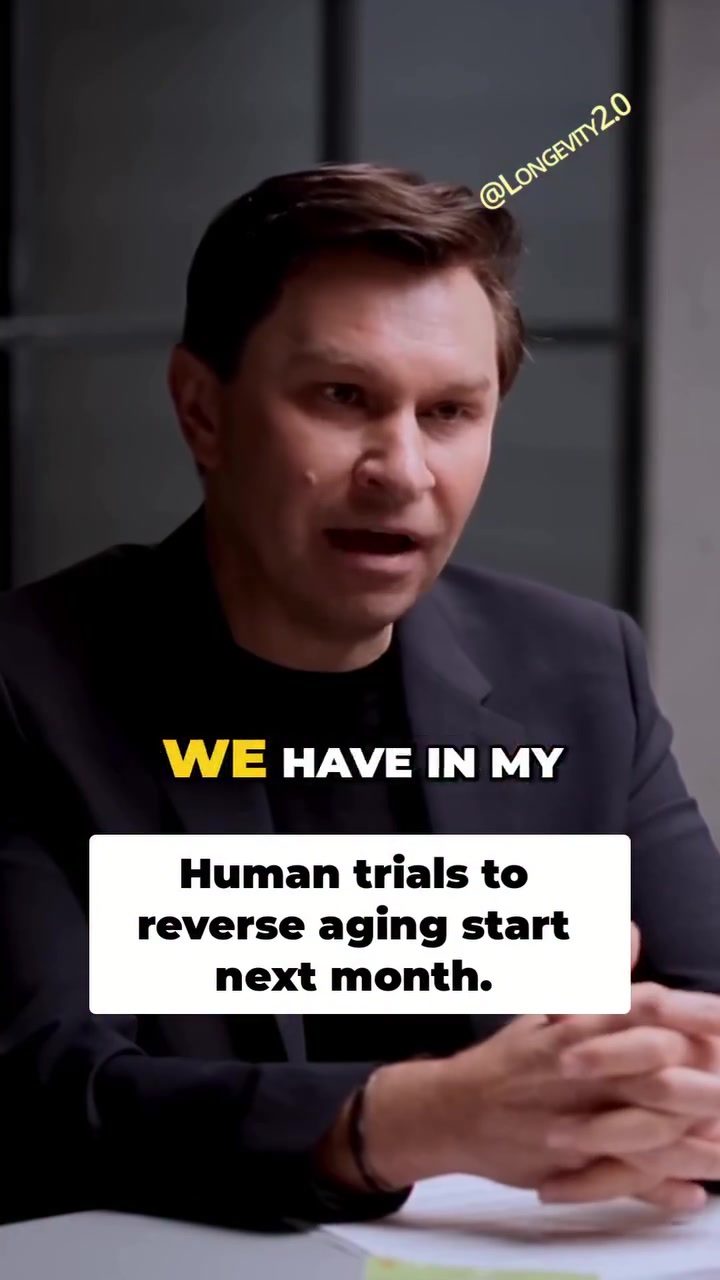
The first human trials for age-reversal technology are set to begin in about a month, focusing on treating blindness. Researchers have submitted a form to the FDA in the US to gain approval for treating specific types of blindness. If all goes well, these trials could start as early as next month. The decision to target blindness first is strategic. The eye is an accessible and relatively isolated organ, making it an ideal candidate for initial trials.
The Technology and Process
The technology developed by Sinclair and his team is used daily in the lab to reverse the age of tissues in animals and human tissues grown in culture. The process involves applying specific epigenetic factors to cells, effectively resetting their biological age. This technology has been refined over years of research and has shown consistent results in various models.
The Human Trials
The upcoming human trials will be the first of their kind, aiming to demonstrate the safety and efficacy of this age-reversal technology in people. If successful, these trials could pave the way for broader applications, potentially transforming medicine as we know it.
Practical Tips
While the technology is still in the experimental phase, there are practical steps you can take to support your health and potentially slow aging:
Stay Informed
Keep up-to-date with the latest research in longevity and aging. Subscribing to newsletters and following reputable sources can provide valuable insights and strategies to stay healthy.
Maintain a Healthy Lifestyle
A balanced diet, regular exercise, and adequate sleep are essential for overall health. These lifestyle factors can help slow the aging process and reduce the risk of age-related diseases.
Consider Epigenetic Factors
While more research is needed, some lifestyle factors are known to influence epigenetics. For example, certain foods, supplements, and stress-reducing practices may have epigenetic benefits. Consult with a healthcare professional to explore these options.
Important Takeaways
The development of age-reversal technology represents a significant breakthrough in the field of longevity. By resetting the biological age of tissues, we could potentially restore lost functions and improve health. The upcoming human trials for treating blindness are a crucial step in this journey. If successful, this technology could transform medicine and change the way we approach aging.
Conclusion
The quest to reverse aging has taken a significant step forward with the advent of epigenetic reprogramming. Researchers are on the cusp of translating laboratory successes into tangible benefits for humans. By staying informed, maintaining a healthy lifestyle, and considering epigenetic factors, you can support your health and potentially live a longer, healthier life. The future of aging is promising, and the next few months could bring groundbreaking changes that will shape the future of medicine.
Watch the Reel
Questions readers ask
What is epigenetic reprogramming and how does it relate to age reversal?
Epigenetic reprogramming is a process that involves altering gene expression without changing the underlying DNA sequence. In the context of age reversal, it aims to reset the biological age of human tissues, potentially reversing age-related damage and dysfunction. This technology has shown promise in animal studies and lab-grown human tissues, paving the way for upcoming human trials.
Why are the upcoming human trials focusing on blindness?
The upcoming human trials for age reversal technology will tackle blindness as the primary focus. This decision is based on the potential of this technology to repair damaged tissues in the eye, which could lead to improvements in vision and quality of life for those affected by age-related blindness. Successful results could also provide valuable insights for treating other age-related diseases.
What are the potential benefits of successful age reversal human trials?
If the human trials are successful, age reversal technology could significantly improve health and functionality by reversing biological age in human tissues. This could lead to new treatments for various age-related diseases, enhance overall health, and potentially extend lifespan. The specific benefits would depend on the outcomes of the trials, but the potential impact on human health and longevity is substantial.
Who is leading the research on age reversal technology, and what are their notable achievements?
David Sinclair and his research team are at the forefront of developing age reversal technology. Their work, known as 'Refuivenation', has demonstrated promising results in animals, primates and lab-grown human tissues. Their advancements have brought age reversal closer to reality, with upcoming human trials set to begin next month.
How does age reversal technology address human aging?
Age reversal technology targets the biological processes underlying human aging. By resetting the biological age of tissues, this technology aims to repair age-related damage and restore functionality. This approach holds the potential to treat a wide range of age-related diseases, starting with blindness, and could ultimately lead to improved health and a longer, more functional lifespan.
Recent articles
Fresh deep dives from the latest Reels we unpacked.




Comments
Be the first to comment.