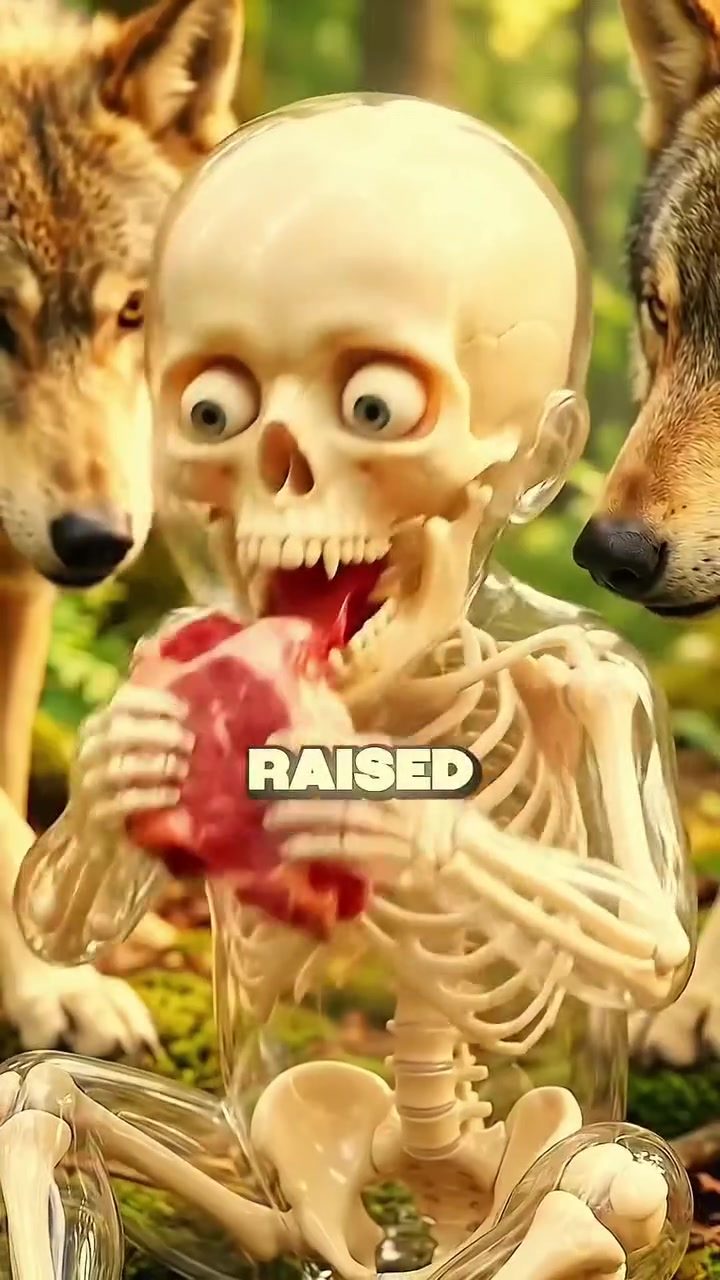
The Transformation of a Human Raised by Wolves
The concept of a human raised by wolves is a fascinating exploration of how environment and upbringing can shape an individual. This transformation goes beyond mere physical changes; it delves into the evolution of instincts, senses, and behavior.
Why This Matters
Understanding the transformation of a human raised by wolves provides insights into human adaptability and the impact of environmental factors on development. This thought experiment highlights the capabilities of the human body and mind when pushed to their limits.
Physical Adaptations
Survival Mode
From the very beginning, the body shifts into survival mode. The first day involves sleeping on the ground and eating raw meat, which activates instinctive behaviors. This immediate adaptation is crucial for survival in a wild environment.
Muscle and Bone Development
Over time, the body undergoes significant physical changes. By year three, the feet harden, and joints grow stronger due to constant running. This physical adaptation prepares the body for the rigors of the forest, where movement and agility are critical.
Sensory Enhancements
The senses also undergo significant enhancements. The ability to listen to the forest and hear movements before seeing them becomes a crucial survival skill. This heightened sense of hearing, combined with the ability to be silent, provides a significant advantage in the wilderness.
Behavioral and Social Adaptations
Pack Dynamics
By year seven, the individual becomes part of the pack. Hierarchy within the pack is law, and those who are not fast or careful risk not eating at all. Reflexes sharpen, and the sense of smell intensifies, making the individual lean, tough, and highly adaptable.
Hunting and Survival
As a hunter by year ten, the individual can run for kilometers without stopping, with powerful lungs and calves as hard as stone. This physical endurance is complemented by a keen understanding of when to attack and when to wait. Fear disappears, replaced by pure instinct.
Communication and Vigilance
By year fifteen, human language is forgotten, and communication occurs through looks and growls. The eyes constantly scan the horizon, and the individual is never relaxed. Sleep becomes light and alert, ensuring constant readiness for any threat.
Cognitive Adaptations
By year twenty, the bones are formed for running, and the muscles are adapted for the hunt. The brain is now finely tuned for danger, making the individual a highly efficient and dangerous predator.
Practical Tips for Understanding the Transformation
While the concept of a human raised by wolves is largely speculative, it offers valuable insights into human adaptability and resilience. For those interested in exploring this transformation further, consider the following tips:
Study Animal Behavior
Learning about wolf behavior and pack dynamics can provide a deeper understanding of how a human might adapt to such an environment. Observe how wolves communicate, hunt, and interact within their pack.
Physical Training
Engage in physical activities that mimic the conditions described. Activities like long-distance running, strength training, and sensory exercises can help understand the physical transformations that might occur.
Mindset and Instinct
Practice mindfulness and instinctual awareness. Techniques like meditation and sensory deprivation can help develop a heightened sense of awareness, similar to what is described in the transformation.
Important Takeaways
Adaptability
The human body and mind are incredibly adaptable. Given the right conditions, individuals can undergo significant physical and behavioral changes to survive and thrive in harsh environments.
Instinct Over Fear
The transformation highlights the power of instinct over fear. When fear is replaced by instinct, individuals become more efficient and effective in their actions.
Survival Skills
Basic survival skills such as running, heightened senses, and pack dynamics are crucial for long-term survival in a wild environment.
Cognitive Adaptation
The brain adapts to the environment, becoming highly attuned to danger and ready for action at all times. This cognitive adaptation is as crucial as the physical changes.
Conclusion
The transformation of a human raised by wolves is a remarkable journey of physical, behavioral, and cognitive adaptation. From the immediate shift into survival mode to the eventual becoming of a hunter, this thought experiment reveals the incredible resilience and adaptability of the human body and mind. While it remains a speculative scenario, it provides valuable insights into human potential and the importance of instinct and adaptability in survival.
Watch the Reel
Questions readers ask
What are the initial physical changes a human experiences when raised by wolves?
The human body undergoes significant changes from the start. This includes learning to sleep on the ground and consuming raw meat, which activates survival instincts. These initial adaptations are crucial for integrating into the wolf pack and thriving in the wild environment.
How does the human body adapt to the forest environment over time?
Over time, the human body adapts to the forest environment through heightened senses and improved physical endurance. Living in close proximity to wolves, the human develops a keen sense of smell, hearing, and night vision, which are essential for survival in the forest.
What role do wolf instincts play in the human's behavioral changes?
The human begins to imitate wolf behaviors, such as hunting, pack dynamics, and territorial marking. This integration into the wolf pack influences the human's social structure, communication methods, and overall behavior, making them more in tune with the natural environment.
How does the human's diet change when raised by wolves?
The human's diet shifts dramatically to include a primarily carnivorous intake, similar to that of the wolves. This change in diet is essential for survival and helps the human develop stronger teeth and a more robust digestive system, tailored to process raw meat efficiently.
What are the long-term physical impacts on a human raised by wolves?
Long-term physical impacts include increased muscle mass, improved agility, and enhanced endurance. These adaptations are a direct result of living in the wild and the constant need to hunt, forage, and avoid predators, making the human more physically resilient.
What are the behavioral changes in a human raised by wolves?
The human develops a strong pack mentality, which includes heightened territorial instincts, cooperative hunting behaviors, and a deep sense of loyalty to the pack. Communication methods also evolve to include vocalizations, body language, and scent marking, mimicking those of the wolves.
What happens to a human's senses when raised by wolves?
The human's senses become significantly more acute. This includes improved night vision, heightened sense of smell, and more sensitive hearing, all of which are crucial for navigating the forest environment and identifying potential threats or prey. These sensory adaptations make the human more attuned to their surroundings, enhancing their survival capabilities.
Related deep dives
Similar reads based on topic and creator.




Recent articles
Fresh deep dives from the latest Reels we unpacked.


Comments
Be the first to comment.