The Impact of Social Connections on Your Nervous System and Emotional State
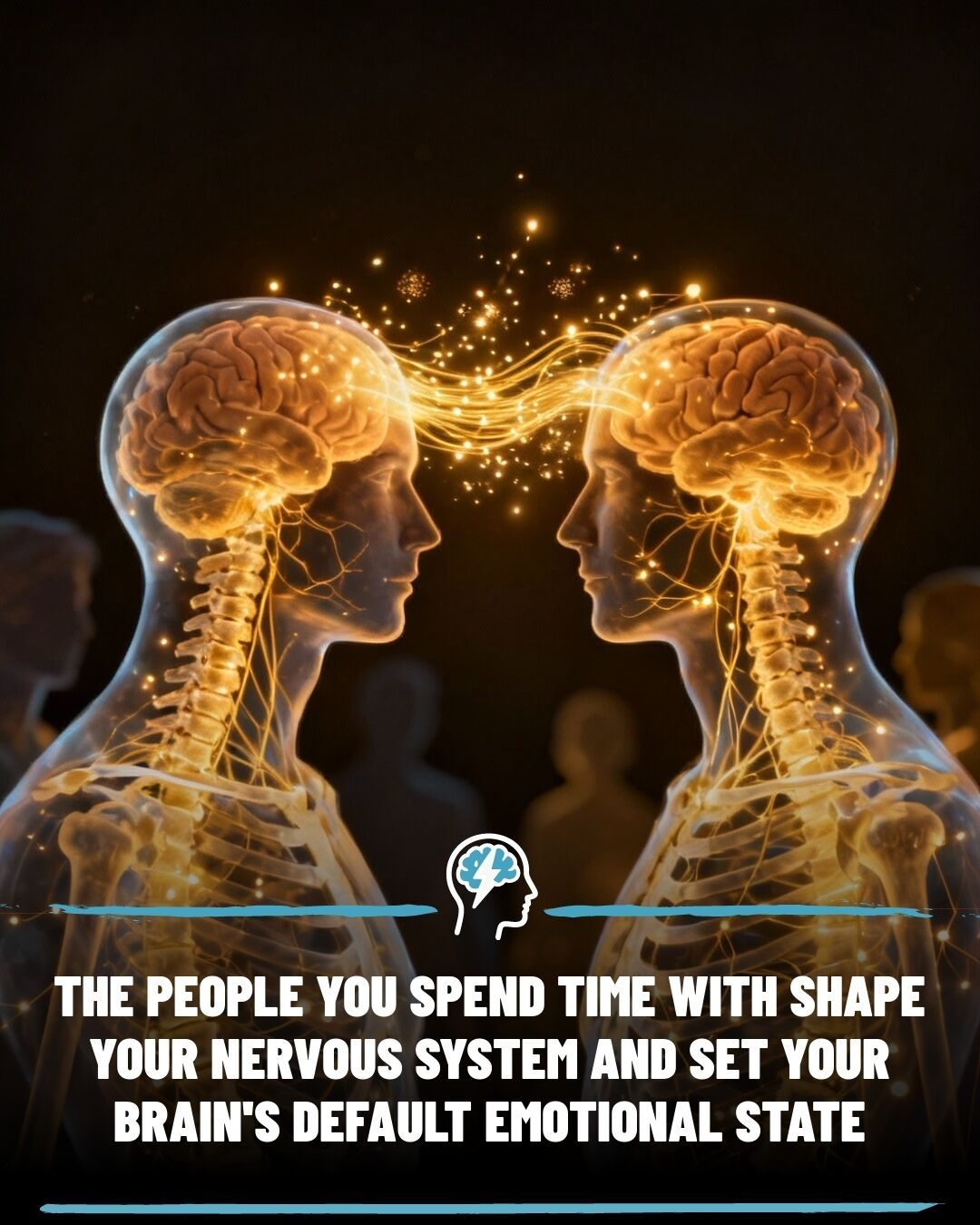
The people you spend time with have a profound impact on your nervous system and emotional well-being. This isn't just about social enjoyment; it's a biological and psychological phenomenon. When you engage with others, your biological responses—like heart rate, breathing patterns, and stress levels—can synchronize with theirs. This process, known as co-regulation, happens largely outside of your conscious awareness.
Why This Matters
Understanding the influence of social connections on your nervous system is crucial for maintaining mental and emotional health. The people around you can either amplify stress or promote relaxation, depending on their emotional states. This dynamic highlights the importance of choosing your social environment thoughtfully.
The Science Behind Co-Regulation
Physiological Synchronization
Research has shown that spending time with calm, regulated individuals can have significant effects on your biological responses. Your brain may release less cortisol, a stress hormone, while increasing levels of oxytocin, a hormone that helps manage stress and promotes bonding. This shift in hormone levels can help you feel more relaxed and connected.
The Role of the Vagus Nerve
The vagus nerve, which connects your brain to your body, plays a crucial role in this synchronization. It picks up on external cues, such as warm facial expressions and soothing voices, and signals your system to relax. This neurobiological response is a key component of how social interactions influence your emotional state.
Mirror Neurons and Emotional Contagion
Mirror neurons are specialized brain cells that activate when you observe emotions in others. They allow you to unconsciously mirror what you see, leading to the spread of emotions through social groups. This phenomenon, known as emotional contagion, explains why emotions can ripple through a crowd or a community.
The Impact of Social Support
Reduced Stress and Enhanced Well-being
Consistent social support is linked to reduced activation in brain areas associated with stress. Your nervous system adapts to your relational environment over time through a process called neural plasticity. This means that the people you spend the most time with can genuinely influence your biology and overall well-being.
The Role of Mirror Neurons
Mirror neurons are specialized brain cells that activate when you observe emotions in others. They allow you to unconsciously mirror what you see, leading to the spread of emotions through social groups. This phenomenon, known as emotional contagion, explains why emotions can ripple through a crowd, influencing the overall mood and emotional state of the group.
Practical Tips for Leveraging Social Connections
Choose Your Social Circle Wisely
Given the profound impact of social connections on your nervous system, it's essential to choose your social circle with care. Surround yourself with people who promote a positive and supportive environment. This can help reduce stress and enhance your overall well-being.
Foster Positive Interactions
Focusing on positive interactions can amplify the benefits of social connections. Engage in activities that promote relaxation and bonding, such as shared hobbies or group exercises. These interactions can help enhance the release of oxytocin and reduce cortisol levels, contributing to a more balanced emotional state.
Engage with the Community
Community involvement can provide a broader network of social support. Joining clubs, volunteer groups, or other community organizations can offer diverse opportunities for positive social interactions. These connections can provide emotional support and help regulate your nervous system.
Seek Professional Help When Needed
While social support is beneficial, it's important to recognize when professional help is needed. If you're experiencing persistent stress or emotional challenges, consulting with a mental health professional can provide additional strategies and support.
Important Takeaways
The people you spend time with genuinely influence your biology and emotional state. Co-regulation, the synchronization of biological responses, and emotional contagion are key mechanisms that explain this impact. Choosing a supportive social environment can help regulate your nervous system and enhance your overall well-being. While social support is beneficial, it's essential to seek professional help when needed.
Conclusion
The people you surround yourself with have a profound impact on your nervous system and emotional state. Understanding the science behind co-regulation, mirror neurons, and emotional contagion can help you make informed decisions about your social connections. By choosing a supportive social environment and fostering positive interactions, you can enhance your overall well-being and promote a balanced emotional state.
Watch the Reel
Questions readers ask
How does co-regulation influence my emotional state?
Co-regulation is the process by which your emotional state and biological responses, such as heart rate and stress levels, synchronize with those of the people around you. This phenomenon can lead to either increased stress or greater relaxation, depending on the emotional states of your social circle. It happens largely outside of your conscious awareness, making it a powerful yet subtle influence on your emotional well-being.
Can my social environment directly affect my heart rate?
Yes, your social environment can directly influence your heart rate through the process of co-regulation. When you engage with others, your biological responses, including heart rate, can synchronize with theirs. This means that the emotional states of the people you spend time with can have a measurable impact on your physical responses.
What role does mindful social choice play in managing stress levels?
Mindful social choice is crucial for managing stress levels because the emotional states of the people around you can either amplify or reduce your stress. By consciously choosing to spend time with individuals who promote relaxation and positive emotions, you can help regulate your own stress levels and improve your overall emotional state.
How do social circles impact neural responses and emotional regulation?
Social circles impact neural responses and emotional regulation through the process of co-regulation. When you interact with others, your brain's emotional regulation mechanisms can mirror the emotional responses of those in your social circle. This means that the collective emotional state of your social environment can directly influence how you process and regulate your own emotions.
Why is it important to be aware of how others affect my emotions?
Being aware of how others affect your emotions is important because it allows you to make informed decisions about your social environment. Understanding that your emotional state can be influenced by those around you enables you to choose interactions that promote positivity and well-being, while minimizing exposure to those that cause stress or negativity.
Can emotional states be mirrored in others through social interactions?
Yes, emotional states can be mirrored in others through social interactions. This phenomenon, known as emotional contagion, is a part of the broader co-regulation process. When you spend time with others, their emotional states can influence your own, leading to a synchronization of feelings and responses. This is why spending time with positive, uplifting individuals can improve your mood and emotional well-being.
What steps can I take to manage the impact of my social environment on my emotional state?
To manage the impact of your social environment on your emotional state, consider setting boundaries, choosing your social circle wisely, and limiting exposure to those who consistently cause stress or negativity. Engaging in activities that promote relaxation and positive interactions can also help mitigate the influence of stressful social environments.
Recent articles
Fresh deep dives from the latest Reels we unpacked.




Comments
Be the first to comment.