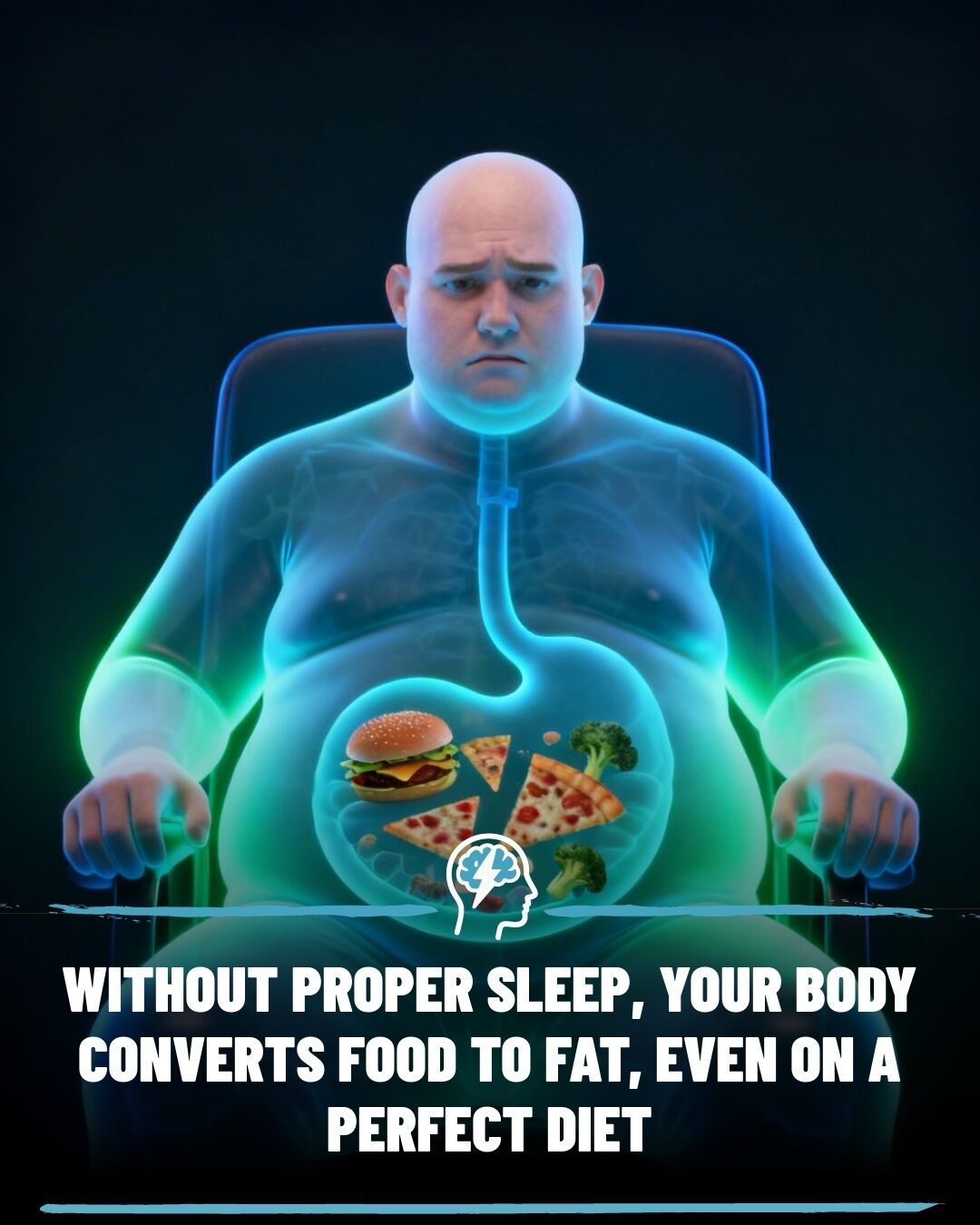
Sleep and Metabolism: The Surprising Impact of Sleep on Your Diet
Sleep is a critical component of overall health, but its role in metabolism and diet is often overlooked. If you're meticulously watching your calorie intake and still struggling to lose fat, the issue might not be your diet at all. Research indicates that sleep plays a significant role in how your body processes food and stores fat.
Context: Why Sleep Matters for Metabolism
Sleep affects more than just your energy levels; it deeply influences your body's ability to manage fat. Without adequate sleep, your body may convert food to fat, even if you're eating a balanced, calorie-controlled diet. This phenomenon can be disheartening for those diligently following a diet plan and expecting to see results.
Understanding the Link: How Sleep Affects Metabolism
Several hormones regulate hunger and metabolism, and sleep restriction can disrupt these hormones. Leptin, often called the "satiety hormone," signals to your brain that you're full. When you don't get enough sleep, leptin levels drop. Conversely, ghrelin, the "hunger hormone," tends to rise, making you feel hungrier even when you're consuming enough calories. This hormonal imbalance can lead to overeating and, consequently, weight gain.
The Role of Cortisol and Insulin
Sleep deprivation can also elevate cortisol, a stress hormone that promotes fat storage. High cortisol levels can make it harder for your body to process insulin, leading to insulin resistance. This means your body may not efficiently convert glucose into energy, prompting it to store excess glucose as fat. Additionally, insulin resistance can cause your body to break down muscle tissue for energy, further hindering your efforts to maintain a healthy body composition.
Research Insights: The Impact of Sleep on Weight Loss
A controlled study, involving participants on a calorie-restricted diet, provides compelling evidence on the impact of sleep on metabolism. When participants slept 5.5 hours per night instead of 8.5 hours, while eating the same calorie-restricted diet, they lost approximately 55% less fat and 60% more muscle tissue. This stark difference in body composition underscores the critical role of sleep in weight management.
Hormonal Shifts and Body Composition
Sleep restriction can lead to a cascade of hormonal shifts that affect your body's ability to lose fat and maintain muscle. This means that even if you're eating a perfect diet, your body may still store fat and lose muscle if you're not getting enough sleep. The body's hormonal responses to sleep deprivation can create an environment where fat storage is prioritized over fat burning.
Importance of Quality Sleep
Aiming for 7 to 8 hours of quality sleep per night can help support your body's ability to use fat for fuel and preserve lean tissue. However, it's essential to recognize that sleep is just one piece of a larger puzzle that includes nutrition, physical activity, stress management, and individual factors. Results can vary significantly from person to person based on genetics, lifestyle, and overall health.
The Importance of Recovery
Prioritizing sleep is about understanding that recovery matters just as much as the effort you put into your diet and exercise. It's not about achieving perfection but about recognizing the interconnectedness of your overall health. By ensuring you get enough rest, you can support your body's natural processes and enhance your overall well-being.
Practical Tips for Improving Sleep
To improve your sleep quality, consider the following tips:
- Maintain a Consistent Sleep Schedule: Go to bed and wake up at the same time every day, even on weekends.
- Create a Relaxing Bedtime Routine: Engage in calming activities before bed, such as reading, taking a warm bath, or practicing relaxation techniques.
- Optimize Your Sleep Environment: Make your bedroom dark, quiet, and cool. Invest in a comfortable mattress and pillows.
- Limit Exposure to Screens: Avoid using electronic devices at least an hour before bed, as the blue light can interfere with your body's production of melatonin, a hormone that regulates sleep.
- Avoid Caffeine and Alcohol: Both substances can disrupt your sleep patterns. Try to avoid them, especially in the evening.
- Regular Exercise: Engaging in regular physical activity can help you fall asleep faster and enjoy deeper sleep. However, avoid intense workouts close to bedtime, as they can have the opposite effect.
Important Takeaways
If you're working hard on your diet but not prioritizing sleep, you may be working against yourself. Understanding the critical role of sleep in metabolism can help you make informed decisions about your health. By balancing your diet with quality sleep, you can support your body's ability to maintain a healthy body composition and overall well-being.
Conclusion
Sleep is a vital component of a healthy lifestyle, and its impact on metabolism and body composition cannot be overstated. By understanding the role of hormones like leptin, ghrelin, cortisol, and insulin, you can appreciate how sleep affects your body's ability to process food and store fat. Whether you're trying to lose weight, maintain muscle, or simply feel your best, prioritizing sleep is a crucial step toward achieving your goals.
Watch the Reel
Questions readers ask
How does sleep deprivation affect metabolism and fat storage?
Sleep deprivation can significantly impact your metabolism, causing your body to convert food into fat instead of utilizing it effectively. This means that even with a balanced diet, you might struggle with fat loss due to insufficient sleep.
What is the ideal amount of sleep for optimal fat loss?
Most adults need between 7 to 9 hours of quality sleep per night for overall health, and this is also key for fat loss and metabolism. Sleeping less than this range can hinder your body's ability to process food efficiently, which might affect your weight loss efforts.
How does sleep influence eating habits and diet success?
Adequate sleep helps regulate hormones that control hunger and fullness, such as ghrelin and leptin. When you're well-rested, you're less likely to experience intense cravings or overeat, making it easier to stick to your diet and achieve your weight loss goals.
Can sleep help with muscle recovery and fat loss?
Yes, quality sleep is essential for muscle recovery, which in turn supports fat loss. During deep sleep, your body produces growth hormones that aid in muscle repair and growth. More muscle mass can increase your resting metabolic rate, helping you burn more calories even at rest.
How does sleep impact hormone balance for weight loss?
Sleep plays a crucial role in balancing hormones that regulate appetite and metabolism. For instance, sleep deprivation can lead to increased levels of the stress hormone cortisol, which is linked to increased appetite and fat storage, particularly around the midsection.
What are some signs that lack of sleep is affecting my diet and weight loss results?
If you're experiencing increased hunger, frequent cravings, and a slower metabolism despite maintaining a balanced diet, it could be a sign that inadequate sleep is impacting your weight loss journey. Additionally, feeling constantly tired and struggling with focus and energy levels are indicators of sleep deprivation.
What happens if I sleep less than the recommended hours for fat loss?
Sleeping too little can lead to various issues, including poor metabolism, increased fat storage, and weakened diet success. When you consistently sleep fewer than 7 hours per night, your body may struggle to regulate hormones like insulin and cortisol, which can further affect your ability to lose fat and maintain a healthy weight.
Related deep dives
Similar reads based on topic and creator.



Recent articles
Fresh deep dives from the latest Reels we unpacked.




Comments
Be the first to comment.