Testosterone Levels and Mastebation
Testosterone is a critical hormone for men, playing a significant role in various bodily functions, including muscle development, bone density, and overall energy levels. One often-debated topic is how certain behaviors, such as masturbation, might affect testosterone levels. This discussion revolves around a specific claim that abstaining from masturbation can lead to an increase in testosterone levels.
Context: Why this Matters
Testosterone levels can fluctuate due to various factors, including lifestyle choices, diet, and overall health. Understanding the impact of masturbation on testosterone levels is important for individuals seeking to optimize their hormone balance and overall well-being. Mastebation is a common practice, and knowing how it might influence hormonal health can provide valuable insights for men.
The Relationship Between Masturbation and Testosterone
The Claim: Abstinence and Testosterone Increase
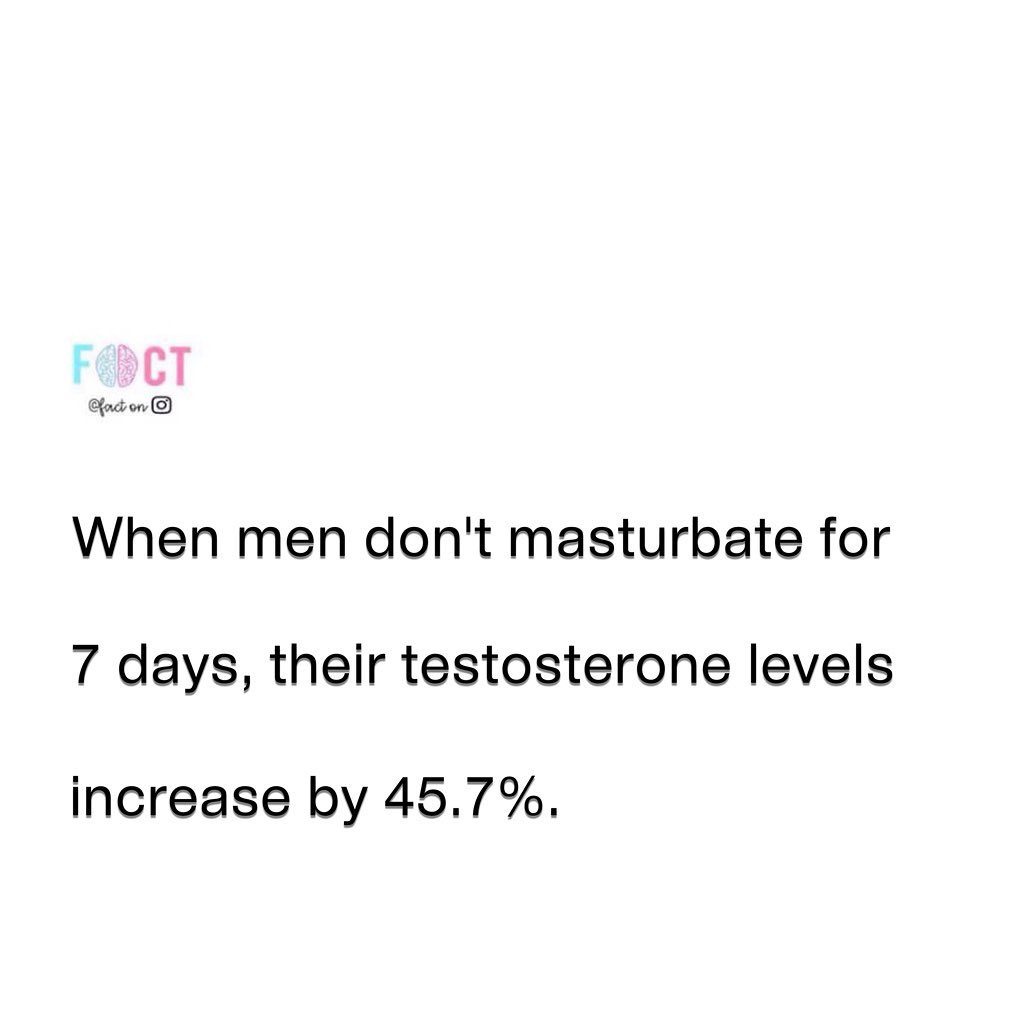
The core claim in the discussion is that testosterone levels can increase by 45.7% after abstaining from masturbation for 7 days. This information is presented in a straightforward manner, emphasizing the potential benefits of abstinence on hormonal balance. It is important to note that the claim does not specify the scientific basis or the context in which the study might have been conducted. This suggests that while the information is compelling, it should be considered with a critical eye and further research is warranted.
Scientific Perspective
The scientific community has long been interested in the relationship between sexual activity and hormone levels. Some studies suggest that frequent ejaculation can temporarily lower testosterone levels, while others indicate that the impact is minimal. The claim of a 45.7% increase in testosterone levels after 7 days of abstinence aligns with some research, but it is not universally accepted.
One study published in the journal Urology found that men who abstained from sexual activity for a week experienced a significant increase in testosterone levels. However, other studies have shown conflicting results, highlighting the need for more comprehensive research. It is essential to approach the claim with caution and recognize that individual responses to abstinence can vary.
Factors Influencing Testosterone Levels
Several factors can influence testosterone levels beyond sexual activity. These include:
- Age: Testosterone levels naturally decline with age, with a more pronounced drop often occurring after the age of 30.
- Diet and Exercise: A balanced diet rich in nutrients and regular physical activity can support healthy testosterone levels. Conversely, poor diet and sedentary lifestyle can negatively impact hormone balance.
- Sleep: Adequate sleep is crucial for maintaining optimal testosterone levels. Chronic sleep deprivation can lead to a decrease in hormone production.
- Stress: High levels of stress can disrupt the body's hormonal balance, including testosterone production. Managing stress through techniques like meditation, yoga, and other relaxation methods can help maintain healthy hormone levels.
- Medications and Health Conditions: Certain medications and health conditions, such as obesity, diabetes, and thyroid disorders, can affect testosterone levels. Consulting a healthcare provider can help identify and address any underlying issues.
Practical Tips for Maintaining Healthy Testosterone Levels
Maintaining healthy testosterone levels involves a holistic approach that considers multiple aspects of lifestyle and health. Here are some practical tips to support optimal hormone balance:
Regular Exercise
Physical activity is crucial for maintaining overall health and supporting testosterone production. Engage in a variety of exercises, including strength training, cardiovascular exercises, and high-intensity interval training (HIIT). Aim for at least 150 minutes of moderate-intensity or 75 minutes of vigorous-intensity aerobic activity per week, along with strength training exercises at least two days a week.
Balanced Diet
A diet rich in nutrients is essential for supporting healthy testosterone levels. Focus on consuming whole foods, including:
- Protein: Lean meats, poultry, fish, eggs, and plant-based proteins like beans and legumes.
- Healthy Fats: Avocados, nuts, seeds, and olive oil.
- Vegetables and Fruits: A variety of colorful produce to ensure a wide range of vitamins and minerals.
- Whole Grains: Brown rice, quinoa, and whole-grain bread.
Adequate Sleep
Sleep is vital for hormone regulation. Aim for 7-9 hours of quality sleep per night. Establish a consistent sleep schedule, create a relaxing bedtime routine, and optimize your sleep environment by keeping it cool, dark, and quiet.
Stress Management
Chronic stress can negatively impact hormone levels. Incorporate stress-reduction techniques into your daily routine, such as:
- Meditation: Practicing mindfulness and deep breathing exercises can help reduce stress levels.
- Yoga: Combining physical postures, breathing techniques, and meditation can promote relaxation and overall well-being.
- Adequate Hydration: Staying well-hydrated is vital for maintaining optimal hormone levels.
Regular Check-ups
Regular medical check-ups can help monitor testosterone levels and identify any underlying health issues. Consult a healthcare provider if you experience symptoms of low testosterone, such as fatigue, reduced muscle mass, and decreased libido. Early detection and management can help prevent more serious health problems.
Important Takeaways
The relationship between masturbation and testosterone levels remains a topic of ongoing debate. While some studies suggest that abstinence can temporarily increase testosterone, the overall impact on hormonal balance is not fully understood. It is essential to approach this information with a critical eye and consider the broader context of lifestyle and health.
Maintaining healthy testosterone levels involves a multifaceted approach that includes regular exercise, a balanced diet, adequate sleep, stress management, and regular medical check-ups. By addressing these factors, individuals can support optimal hormone balance and overall well-being.
Conclusion
Testosterone plays a crucial role in men's health, and understanding the factors that influence its levels is essential for optimizing well-being. While the claim that abstaining from masturbation can increase testosterone levels by 45.7% is intriguing, it should be considered with caution. A holistic approach to health, encompassing various lifestyle factors, is key to maintaining balanced hormone levels. By incorporating regular exercise, a balanced diet, adequate sleep, and stress management techniques, individuals can support their overall health and well-being.
Watch the Reel
Questions readers ask
How does masturbation affect testosterone levels in men?
Masturbation can cause a temporary decrease in testosterone levels immediately after orgasm. However, these levels typically return to normal within an hour. Long-term effects on testosterone due to masturbation are not definitively proven.
Can abstaining from masturbation boost testosterone levels?
Some studies suggest that short-term abstinence from masturbation may lead to a temporary increase in testosterone levels. However, the long-term benefits and the significance of these changes are still up for debate among researchers.
What are some natural ways to boost testosterone levels?
In addition to considering masturbation habits, other natural methods to boost testosterone include regular exercise, maintaining a healthy diet, getting adequate sleep, and managing stress levels. Regular exposure to sunlight can also support testosterone production.
Does abstinence from masturbation impact overall hormonal balance?
Abstinence from masturbation may affect hormonal balance temporarily, but the effects are not well-defined. While some individuals might experience changes in mood or energy levels, these are typically minor and short-lived.
How do testosterone levels fluctuate throughout the day?
Testosterone levels in men naturally fluctuate throughout the day, with levels typically peaking in the morning and decreasing throughout the day. This is important to consider when evaluating the impact of behaviors like masturbation on overall testosterone levels.
What should I consider if I want to optimize my testosterone levels?
If you're looking to optimize your testosterone levels, consider factors like diet, exercise, and sleep hygiene. Monitor your overall health and consult with a healthcare provider to discuss your specific needs and any concerns related to masturbation and testosterone.
Are the effects of abstaining from masturbation permanent?
The effects of abstaining from masturbation on testosterone levels are not permanent. Any increases in testosterone are typically temporary and return to baseline levels once regular sexual activity resumes.
Recent articles
Fresh deep dives from the latest Reels we unpacked.




Comments
Be the first to comment.