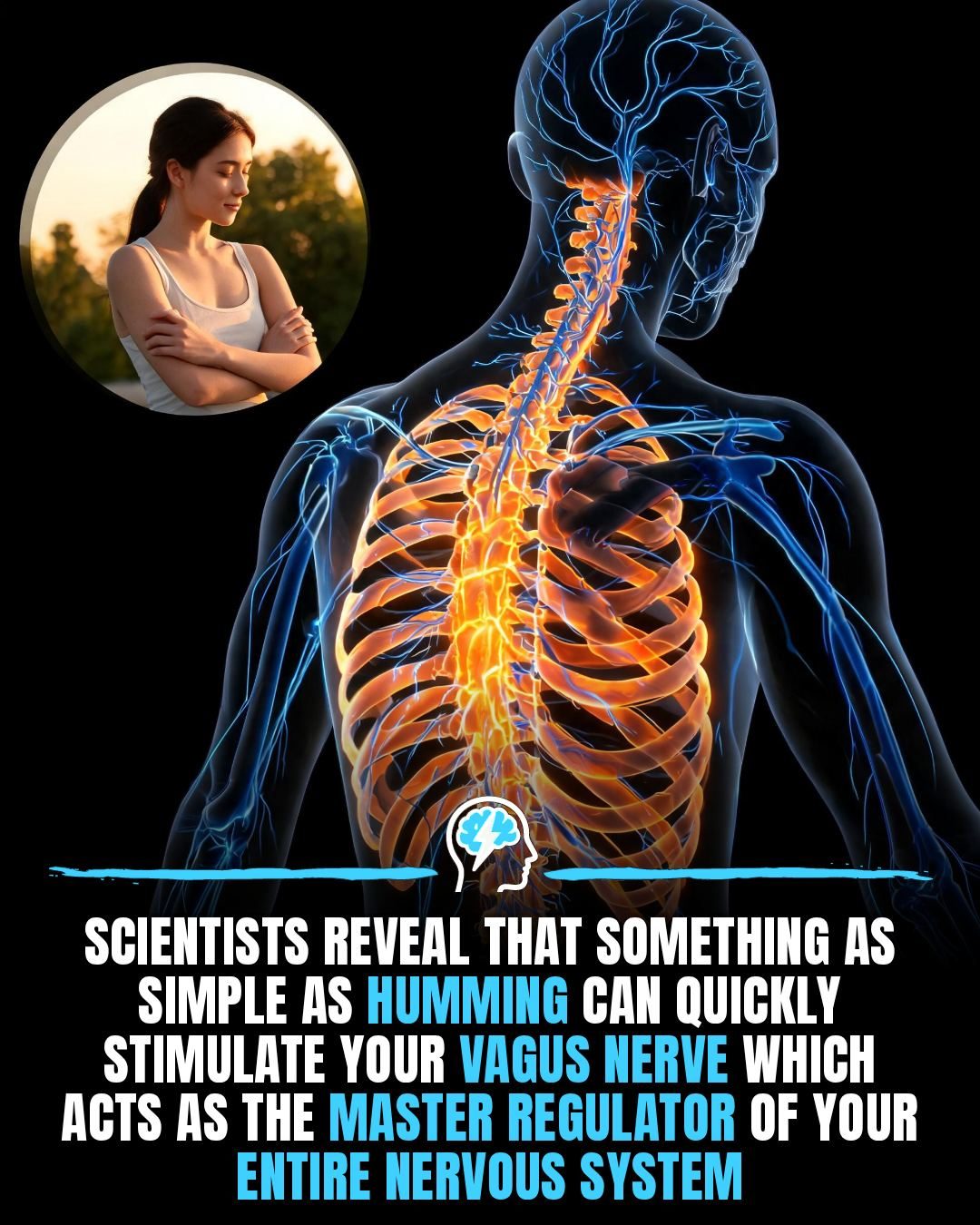
Vagus Nerve Stimulation
Humming, an action often associated with casual melody-making, serves a much deeper purpose. Beyond its musical roots, humming is a powerful tool for biological regulation. The vagus nerve, the body’s longest cranial nerve, plays a central role in this process. This nerve acts as the main communication path for the parasympathetic nervous system, responsible for relaxation and calm.
Context / Why this matters
Understanding the vagus nerve and its regulation through humming can significantly improve emotional and physical well-being. In today’s fast-paced world, stress and anxiety are common, and finding natural, accessible ways to manage these conditions is invaluable. By stimulating the vagus nerve through humming, it’s possible to achieve instant calm and long-term balance.
Main discussion
The Science Behind Humming and the Vagus Nerve
The vagus nerve connects the brain to various bodily organs, including the heart, lungs, and digestive system. This extensive network influences many bodily functions, such as heart rate, blood pressure, and digestion. When the vagus nerve is stimulated, it activates the parasympathetic nervous system, promoting a state of relaxation and reducing stress.
Humming creates vibrations that travel through the larynx and pharynx, directly stimulating the vagus nerve. This physical stimulation acts as a manual override for the body’s stress response, shifting physiology from a state of high alert to one of calm. Scientists have confirmed this connection, revealing that humming can quickly stimulate the vagus nerve, making it a powerful tool for biological regulation.
Benefits of Vagus Nerve Stimulation
Activating the vagus nerve through humming offers numerous benefits:
- Lower Heart Rate and Blood Pressure: Humming can help reduce heart rate and blood pressure, promoting cardiovascular health.
- Increased Heart Rate Variability: A higher heart rate variability is a sign of a resilient nervous system, indicating better adaptability to stress.
- Boosted Nitric Oxide Production: Nitric oxide helps improve blood flow and overall cardiovascular function.
- Reduced Cortisol Levels: Lowering cortisol levels can ease anxiety and promote a sense of calm.
How to Stimulate the Vagus Nerve Through Humming
Stimulating the vagus nerve through humming is simple and requires no musical talent. Here’s how to do it:
- Focus on the Sensation: Pay attention to the physical sensation of the sound as you hum.
- Close Your Mouth: Make a low, steady hum with your mouth closed. The resonance from this action is what stimulates the vagus nerve.
- Practice Regularly: Regular practice can help achieve better emotional regulation, better sleep, and a steadier nervous system over time.
Practical tips
- Find a Quiet Space: Choose a quiet, comfortable place to focus on your humming practice.
- Consistency is Key: Make humming a regular part of your routine, especially during stressful moments.
- Combine with Breathing Exercises: Pair humming with deep breathing exercises for enhanced relaxation and stress relief.
Important takeaways
- Humming is a simple yet effective tool for stress management. It can quickly stimulate the vagus nerve, promoting a state of calm and relaxation.
- The vagus nerve is crucial for overall health. It regulates many bodily functions and influences emotional and physical well-being.
- Regular practice can lead to long-term benefits. Incorporating humming into your daily routine can improve emotional regulation, sleep quality, and overall nervous system function.
Conclusion
Humming is more than just a musical habit; it’s a powerful tool for biological regulation. By stimulating the vagus nerve, humming can help manage stress, improve cardiovascular health, and promote overall well-being. Incorporating this simple practice into your daily routine can lead to significant long-term benefits, making it an accessible and effective method for achieving instant calm and emotional balance.
Watch the Reel
Questions readers ask
How does humming stimulate the vagus nerve?
Humming produces a gentle vibration that directly stimulates the vagus nerve. This nerve, known as the body's longest cranial nerve, responds to the sound and vibration, initiating a relaxation response. This stimulation helps to regulate the body's stress response and promote a sense of calm.
What is the vagus nerve and why is it important for relaxation?
The vagus nerve is the main communication path for the parasympathetic nervous system, which is responsible for the body's relaxation and rest responses. It helps to counteract the body's stress response by slowing the heart rate, reducing blood pressure, and promoting a sense of calm. By stimulating the vagus nerve, one can help to improve overall well-being and reduce stress and anxiety.
Can humming help with stress relief?
Yes, humming can be a effective tool for stress relief. By stimulating the vagus nerve, humming promotes immediate calm and long-term balance. This can help to reduce stress levels and promote relaxation, making it a valuable tool for managing stress in daily life.
How can humming help improve vagal tone?
Vagal tone refers to the body’s ability to regulate stress and relaxation. Regular humming can improve vagal tone by stimulating the vagus nerve and promoting a shift from high alert to relaxation. This regular practice can enhance the body’s overall resilience to stress and improve emotional and physical well-being.
What are the physical benefits of humming for the nervous system?
Humming can help to lower heart rate, reduce blood pressure, and decrease the production of stress hormones like cortisol. These physical benefits contribute to an overall sense of calm and relaxation, making humming a useful practice for regulating the nervous system and promoting better health.
How long does it take to feel the calming effects of humming?
The calming effects of humming can often be felt almost immediately. By stimulating the vagus nerve, humming induces a relaxation response that can help to reduce stress and anxiety within a short period. Regular practice can enhance these benefits and promote long-term balance and well-being.
Can humming help regulate heart rate?
Yes, humming can help to regulate heart rate. By stimulating the vagus nerve, humming activates the parasympathetic nervous system, which helps to slow the heart rate and promote a sense of calm. This makes humming a useful tool for managing stress and promoting overall cardiovascular health.
Related deep dives
Similar reads based on topic and creator.




Recent articles
Fresh deep dives from the latest Reels we unpacked.




Comments
Be the first to comment.