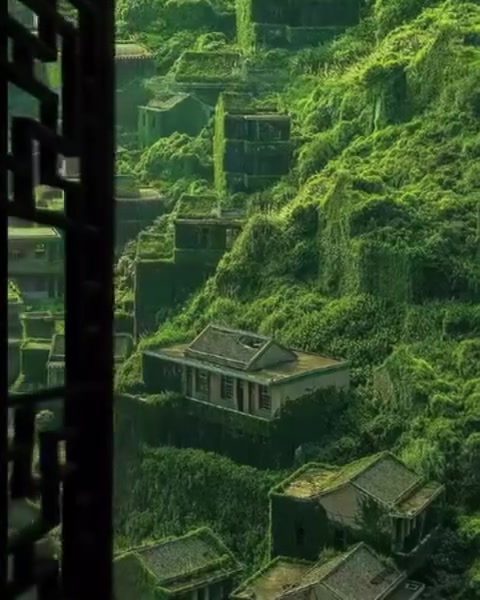
Houtouwan: A Fishing Village Reclaimed by Nature
Houtouwan, an abandoned fishing village on Shengshan Island, China, is a stunning example of nature reclaiming its space. Situated on a lush, green hillside, the village is now a ghostly landscape where the only inhabitants are the plants and vines that cover nearly every building. The dense vegetation has transformed the old brick houses into living, breathing art, offering a unique and captivating sight.
Context / Why This Matters
The story of Houtouwan is one of abandonment and transformation. Once home to around 2,000–3,000 people, the village began to empty out in the 1990s. Factors such as its remote location, lack of schools and jobs, and the difficult access to the mainland led to a mass exodus. By 2002, nearly all residents had left in search of better opportunities.
The village's transition from a bustling community to a near-deserted landscape is a poignant reminder of how quickly nature can reassert its dominance. The absence of human activity has allowed flora to flourish, creating a surreal and captivating scene that has turned into a tourist attraction.
Main Discussion
The Allure of Abandoned Places
Abandoned villages and buildings often have a haunting allure. They evoke a sense of mystery and solitude, inviting curiosity about the past lives of their former inhabitants. Houtouwan is a prime example of this fascination, where the remnants of human habitation are intertwined with the beauty of natural growth.
The Ecological Impact
The overgrown village showcases the resilience of nature. Vegetation has reclaimed buildings, creating a unique ecosystem where plants grow out of walls and roofs. This natural takeover has an ecological significance, as it provides a habitat for various species, contributing to biodiversity.
However, there are also risks involved. The uncontrolled growth of plants can lead to structural damage, making the buildings unstable. The balance between the ecological benefits and the potential hazards is something to consider when exploring these sites.
The Cultural and Historical Significance
Houtouwan provides a glimpse into the past, preserving a way of life that has disappeared. The old brick houses, although now covered in greenery, offer insights into the traditional architecture and lifestyle of the fishing community. This makes the village a valuable cultural and historical site, attracting visitors interested in its story.
Practical Tips
For those planning to visit Houtouwan, it's essential to be mindful of the environment. The site is fragile, and it's crucial to respect the delicate balance of nature and the remnants. Here are some guidelines to follow:
Travel Preparation
Check the weather and tide conditions, as the island can be difficult to access. Ensure you are well-prepared with essentials such as water, food, and appropriate footwear. The terrain can be rough, and the buildings are unstable, so caution is necessary.
Photography Tips
Houtouwan is a photographer's dream, with its unique blend of nature and decay. A wide-angle lens can capture the vastness of the landscape, while a macro lens can focus on the intricate details of the vegetation. Always be respectful of the surroundings and avoid disturbing the site for the sake of a perfect shot.
Ethical Considerations
It's important to remember that while exploring abandoned places, you are entering someone's former home. Be respectful of the past and leave no trace. Avoid vandalism, littering, or any activities that could harm the site.
Important Takeaways
Houtouwan offers a profound look into the intersection of nature and human history. It serves as a reminder that while human activity can shape the environment, nature has the power to reclaim it. The village's transformation is a testament to the resilience and adaptability of both natural ecosystems and human culture.
Conclusion
Houtouwan's transition from a bustling fishing village to a serene, overgrown landscape is a unique and captivating journey. It offers a blend of natural beauty and historical significance, making it a must-visit for adventurers, photographers, and those intrigued by the power of nature. The village stands as a symbol of the balance between human life and the natural world, showcasing the ever-changing landscape of our environment.
Watch the Reel
Questions readers ask
Why was Houtouwan village abandoned?
The village began to empty out in the 1990s due to its remote location, lack of schools and jobs, and challenging access to the mainland. By 2002, nearly all 2,000 to 3,000 residents had left, turning it into a ghostly landscape.
What is the current state of Houtouwan village?
Today, Houtouwan is a popular tourist attraction where nature has reclaimed the space, covering old brick houses with dense vegetation, creating a unique and captivating greenery.
What is the significance of the vegetation in Houtouwan?
The vegetation in Houtouwan has transformed the old houses into living, breathing art. Plants and vines have taken over the village, offering a unique backdrop and turning the village into a popular tourist attraction.
How do tourists access Houtouwan village?
Houtouwan is located on Shengshan Island, and tourists typically need to take a boat to reach the island. Once on the island, visitors can hike or take local transportation to reach the village.
What makes Houtouwan a unique travel destination?
Houtouwan's unique appeal lies in its striking landscape of abandoned buildings reclaimed by nature. The dense vegetation covering the old brick houses makes for a captivating sight that is unlike any other.
Are there any guided tours available for Houtouwan?
Yes, there are guided tours available for visitors who want to explore Houtouwan. These tours provide insights into the history of the village and the natural processes that have transformed it over time.
Is Houtouwan village safe for tourists to visit?
Yes, Houtouwan is safe for tourists to visit. However, visitors should be mindful of the terrain and wear appropriate footwear, as the village is overgrown with vegetation and the paths can be uneven and rocky.
Related deep dives
Similar reads based on topic and creator.




Recent articles
Fresh deep dives from the latest Reels we unpacked.



Comments
Be the first to comment.