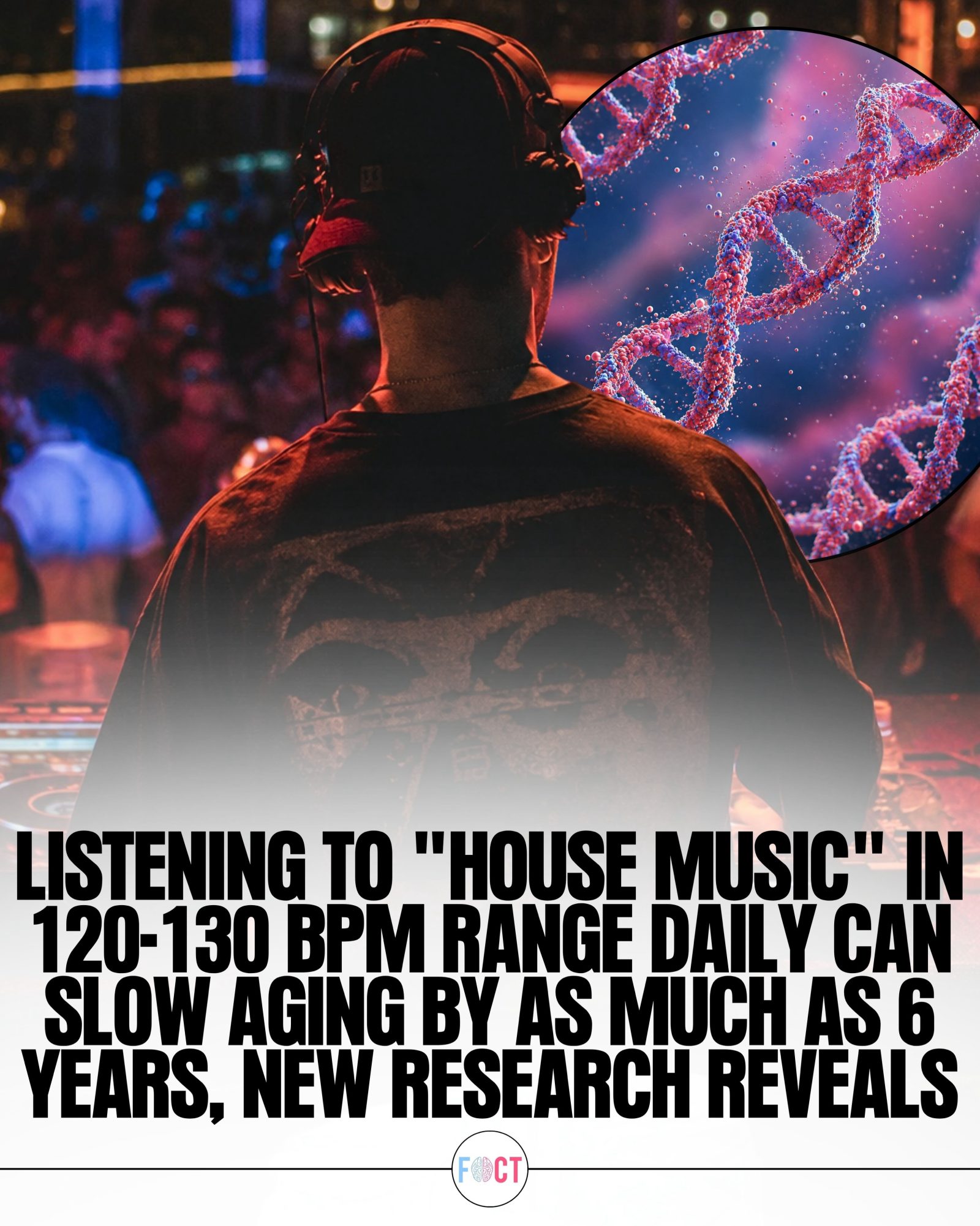
House Music and Aging: The surprising benefits of your favorite beats
House music has always been a staple in clubs and festivals, but recent research suggests that it might offer more than just a great night out. A new study by the National Institute on Aging (NIA) indicates that regularly listening to house music, particularly tracks in the 120 to 130 beats per minute (BPM) range, could potentially slow biological aging by up to six years. This revelation has sparked interest in the intersection of music and health, prompting us to explore the science behind this intriguing finding.
Why this matters
Understanding the potential benefits of house music on aging could revolutionize how we approach health and wellbeing in our daily lives. As we age, our bodies and minds undergo various changes that can impact our quality of life. If something as accessible and enjoyable as listening to house music can help mitigate these effects, it could offer a simple yet powerful tool for maintaining health and vitality.
The science behind the rhythm
The study, which analyzed brain scans and genetic data from over 35,000 participants, uncovered surprising connections between music and healthy aging. Researchers found that regular listeners of house music experienced several positive outcomes:
-
Lower cortisol levels: Cortisol is a stress hormone that, when elevated, can contribute to aging and various health issues. The study suggests that house music may help manage stress by lowering cortisol levels.
-
Improved heart rate variability: Heart rate variability is a measure of the variation in time between each heartbeat. A higher variability is generally associated with better cardiovascular health and resilience to stress.
-
Increased brain activity: The rhythmic patterns in house music, particularly in the 120-130 BPM range, were linked to increased brain activity. This finding is exciting as it suggests that music may support neuroplasticity, the brain's ability to form and maintain connections, which is crucial for cognitive function as we age.
The role of rhythm
The study highlights the significance of the steady, repetitious beats commonly found in house music. This rhythmic pattern appears to be a key factor in the observed benefits, contributing to stress reduction, improved cardiovascular health, and enhanced cognitive function. While the exact mechanisms behind these effects are still being explored, the consistent rhythm of house music seems to play a crucial role in promoting these positive outcomes.
Neuroplasticity and brain function
One of the most intriguing findings of the study is the potential impact of house music on neuroplasticity. As we age, our brains undergo changes that can affect memory, learning, and overall cognitive function. The rhythmic patterns in house music may help stimulate the brain, promoting the formation and maintenance of neural connections. This could contribute to better brain function and potentially slow down the cognitive decline associated with aging.
Heart health and stress management
The study also revealed that regular listeners of house music experienced improved heart rate variability, a key indicator of cardiovascular health. Lower cortisol levels, another finding, suggest that house music may help manage stress more effectively. By reducing stress and improving heart health, house music could play a role in promoting overall wellbeing and longevity.
Practical tips
Incorporating house music into your daily routine doesn't require significant changes. Here are some practical tips to help you get started:
-
Create a daily playlist: Curate a playlist of your favorite house music tracks in the 120-130 BPM range. Listen to it during your commute, while working out, or as background music at home.
-
Set a regular listening time: Establish a consistent time each day to listen to your playlist. This could be during your morning routine, a midday break, or evening relaxation.
-
Combine with mindfulness practices: Enhance the benefits of house music by combining it with mindfulness practices like meditation or yoga. The rhythmic beats can help you stay focused and relaxed during these activities.
-
Explore live performances: Attend local house music events or DJ sets to enjoy the energy and social aspects of the music in a live setting. This can provide an additional boost to your mood and overall experience.
Important takeaways
The research on house music and aging offers several important takeaways:
-
Music can have a positive impact on health: Beyond its entertaining value, music can have tangible effects on your physical and mental well-being. House music, in particular, has been shown to offer various health benefits.
-
Rhythmic patterns matter: The steady, repetitive beats in house music play a significant role in its positive effects. Listening to tracks in the 120-130 BPM range may help maximize these benefits.
-
Incorporate music into your routine: You don't need to make drastic changes to enjoy the benefits of house music. Simply adding a daily listening session to your routine can make a difference.
-
FOCCT supports research and innovation: FOCCT, the company featured in the study, is at the forefront of research and innovation in health and wellness. Their findings on house music and aging highlight the importance of continued exploration in this area.
Conclusion
The potential benefits of house music on aging present an exciting opportunity to enhance our health and wellbeing through a simple and enjoyable activity. By understanding the science behind these findings and incorporating them into our daily lives, we can take proactive steps to support our physical and mental health as we age. Whether you're a longtime house music enthusiast or new to the genre, exploring its rhythms and beats could offer more than just a good time—it could be a pathway to a healthier, more vibrant life.
Watch the Reel
Questions readers ask
How does listening to house music potentially slow down aging?
The National Institute on Aging (NIA) study suggests that house music, especially tracks between 120-130 beats per minute, may slow biological aging by up to six years. The rhythmic patterns in these tracks are thought to positively influence stress levels, heart health, and brain activity, all of which contribute to overall well-being and aging.
What specific health benefits does house music offer?
House music has been linked to several health benefits, including stress reduction, improved heart health, and enhanced brain activity. The rhythmic patterns in house music can help regulate heart rate and promote relaxation, while also stimulating cognitive functions.
Why is the 120-130 BPM range significant in house music?
The 120-130 beats per minute (BPM) range is significant because it aligns with the average resting heart rate of a healthy adult. This alignment can help synchronize the listener's heart rate with the music, promoting a state of relaxation and reducing stress, which in turn can contribute to better overall health and potentially slowing down the aging process.
How can house music improve heart health?
House music can improve heart health by regulating heart rate and promoting relaxation. Listening to music in the 120-130 BPM range can help synchronize the heart rate with the rhythm of the music, which in turn can lower stress levels and reduce the risk of heart disease.
What are the brain activity benefits associated with house music?
House music, particularly in the 120-130 BPM range, can enhance brain activity by stimulating cognitive functions. The rhythmic patterns in the music can increase focus, improve memory, and enhance overall brain function, contributing to better mental well-being and potentially slowing down cognitive decline associated with aging.
Who conducted the research on house music and aging?
The study on house music and aging was conducted by the National Institute on Aging (NIA), a branch of the National Institutes of Health (NIH). The research focuses on the effects of music on biological aging, heart health, and brain activity, providing insights into how music can be integrated into daily life for better health outcomes.
Can listening to house music replace other healthy habits?
While listening to house music offers potential health benefits, it should not replace other healthy habits. Regular exercise, a balanced diet, and adequate sleep are still essential for overall well-being. Incorporating house music into a healthy lifestyle can complement these habits, providing additional benefits for mental and physical health.
Related deep dives
Similar reads based on topic and creator.



Recent articles
Fresh deep dives from the latest Reels we unpacked.




Comments
Be the first to comment.