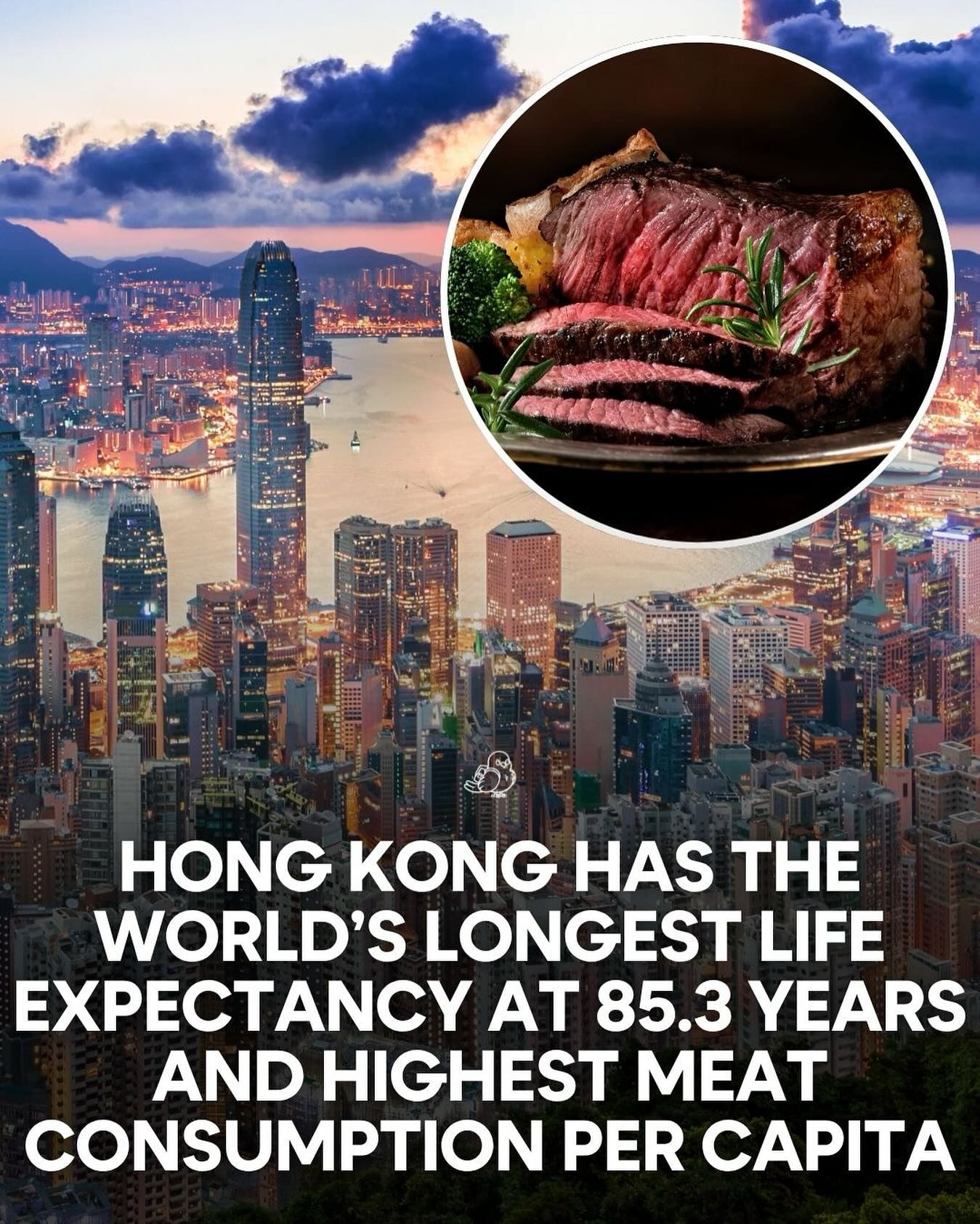
Hong Kong: A City of Longevity and High Meat Consumption
Hong Kong is renowned for its vibrant urban lifestyle, rich cultural heritage, and advanced healthcare system. But did you know that it also boasts one of the world's highest average life expectancies and surprisingly high meat consumption per person?
Context / Why this matters
Understanding Hong Kong's unique blend of longevity and dietary habits offers insights into how urban environments, healthcare, and cultural factors interconnect. This curiosity is not just about numbers; it's about grasping the complex lifestyle factors that contribute to both health and indulgence in a major metropolitan area.
Main discussion
Life Expectancy in Hong Kong
Hong Kong's life expectancy stands at an impressive 85.3 years. This statistic places it among the top in the world, reflecting the city's robust healthcare infrastructure and high standard of living. Several factors contribute to this remarkable figure:
- Advanced Healthcare: Hong Kong's healthcare system is highly developed, with state-of-the-art medical facilities and a skilled workforce of healthcare professionals.
- Healthy Lifestyle: Residents often maintain active lifestyles, with many incorporating physical activity into their daily routines. Public transportation, walkable neighborhoods, and outdoor recreational spaces encourage an active way of life.
- Dense Urban Culture: The city's high population density fosters a sense of community and social support, which can have positive effects on mental and physical well-being.
- Family Ties: Strong family bonds and multi-generational households provide emotional and practical support, contributing to overall longevity.
Meat Consumption
Despite its high life expectancy, Hong Kong also has one of the highest meat consumption rates globally, with residents consuming around 664 grams of meat per day. This statistic might seem surprising given the city's health achievements, but it highlights a few cultural and culinary aspects:
- Culinary Traditions: Hong Kong's cuisine is deeply rooted in Chinese culinary traditions, which often feature meat dishes. Pork and beef are staple ingredients in many local dishes, from dim sum to roasted meats. This cultural preference contributes to the high meat consumption.
- Accessibility and Affordability: Meat is readily available and relatively affordable in Hong Kong, making it a common choice for meals.
- Social and Business Culture: Meat dishes are often served at social gatherings and business meetings, reinforcing the cultural significance of meat consumption.
Practical tips
For visitors and residents alike, understanding Hong Kong's unique blend of longevity and high meat consumption can offer practical tips for navigating the city. Here are a few insights:
- Embrace the Balance: While enjoying the rich culinary scene, consider balancing meat-heavy meals with healthier options like plant-based dishes and seafood. Hong Kong offers a wide variety of vegetarian and vegan options, making it easy to integrate a balanced diet.
- Stay Active: Take advantage of Hong Kong's outdoor spaces and active lifestyle. Go for a hike in the many nature trails, like the Dragon's Back, or take a walk around the city's extensive waterfronts.
- Explore Healthcare Options: If you’re a resident or long-term visitor, familiarize yourself with Hong Kong’s healthcare system. Knowing where to go for routine check-ups and preventive care can significantly contribute to maintaining good health.
Important takeaways
Hong Kong's high life expectancy and meat consumption highlight a fascinating interplay between health and lifestyle. The city's advanced healthcare, active lifestyle, and strong community bonds contribute to its longevity, while culinary traditions and social norms drive high meat consumption. This juxtaposition reflects the broader theme that health and indulgence can coexist in a complex urban environment. Visitors and residents can learn to balance the city's offerings by embracing its healthy aspects while being mindful of dietary choices.
Watch the Reel
Questions readers ask
How does Hong Kong achieve one of the world's highest life expectancies?
Hong Kong's high life expectancy can be attributed to several factors, including a robust healthcare system, excellent access to medical services, and a strong emphasis on public health initiatives. The city's advanced infrastructure, clean environment, and effective governance also contribute to the longevity of its residents. Additionally, cultural factors such as strong family support systems and community engagement play a significant role.
What types of meat are commonly consumed in Hong Kong?
Hong Kong residents consume a variety of meats, with pork, beef, and poultry being the most common. Seafood is also a staple in the local diet due to the city's coastal location. Cantonese cuisine, which is popular in Hong Kong, features a wide range of meat dishes that are often prepared with healthy cooking methods, such as steaming or stir-frying, which may contribute to the city's impressive health metrics.
How does Hong Kong's meat consumption compare to other high life expectancy countries?
Hong Kong's meat consumption is notably higher than in other countries with high life expectancies, such as Japan or Singapore. This discrepancy suggests that while diet is a factor in longevity, it is not the sole determinant. Other aspects, such as healthcare quality, lifestyle, and cultural practices, also play crucial roles in extending lifespan.
What role does Hong Kong's urban lifestyle play in its high life expectancy?
Hong Kong's urban lifestyle contributes to its high life expectancy through efficient public transportation, abundant green spaces, and a variety of recreational facilities. These elements encourage an active lifestyle, which is beneficial for overall health. The city's fast-paced environment also drives innovation in healthcare and wellness services, making them more accessible to residents.
How does Hong Kong balance a high-meat diet with its impressive health metrics?
Hong Kong's balance between a high-meat diet and good health metrics can be attributed to several factors, including the use of lean meats and healthy cooking methods, such as stir-frying and steaming. Additionally, the diet is complemented by a variety of fruits, vegetables, and other nutritious foods. Regular physical activity and access to quality healthcare also help mitigate the potential negative impacts of high meat consumption.
What healthcare advancements contribute to Hong Kong's longevity?
Hong Kong's healthcare system is known for its efficiency and high standards. Key advancements include universal healthcare coverage, state-of-the-art medical facilities, and a strong focus on preventive care. The city's healthcare professionals are highly trained, and there is significant investment in medical research, all of which contribute to the overall health and longevity of its residents.
Does Hong Kong's cultural heritage influence its life expectancy and dietary habits?
Yes, Hong Kong's cultural heritage plays a significant role. Traditional Chinese medicine is widely practiced and integrated into the healthcare system, promoting holistic wellness. Additionally, cultural practices such as family meals and communal dining encourage social connections, which have been linked to better health outcomes. These cultural elements complement modern healthcare advancements, contributing to the city's impressive life expectancy.
Related deep dives
Similar reads based on topic and creator.




Recent articles
Fresh deep dives from the latest Reels we unpacked.




Comments
Be the first to comment.