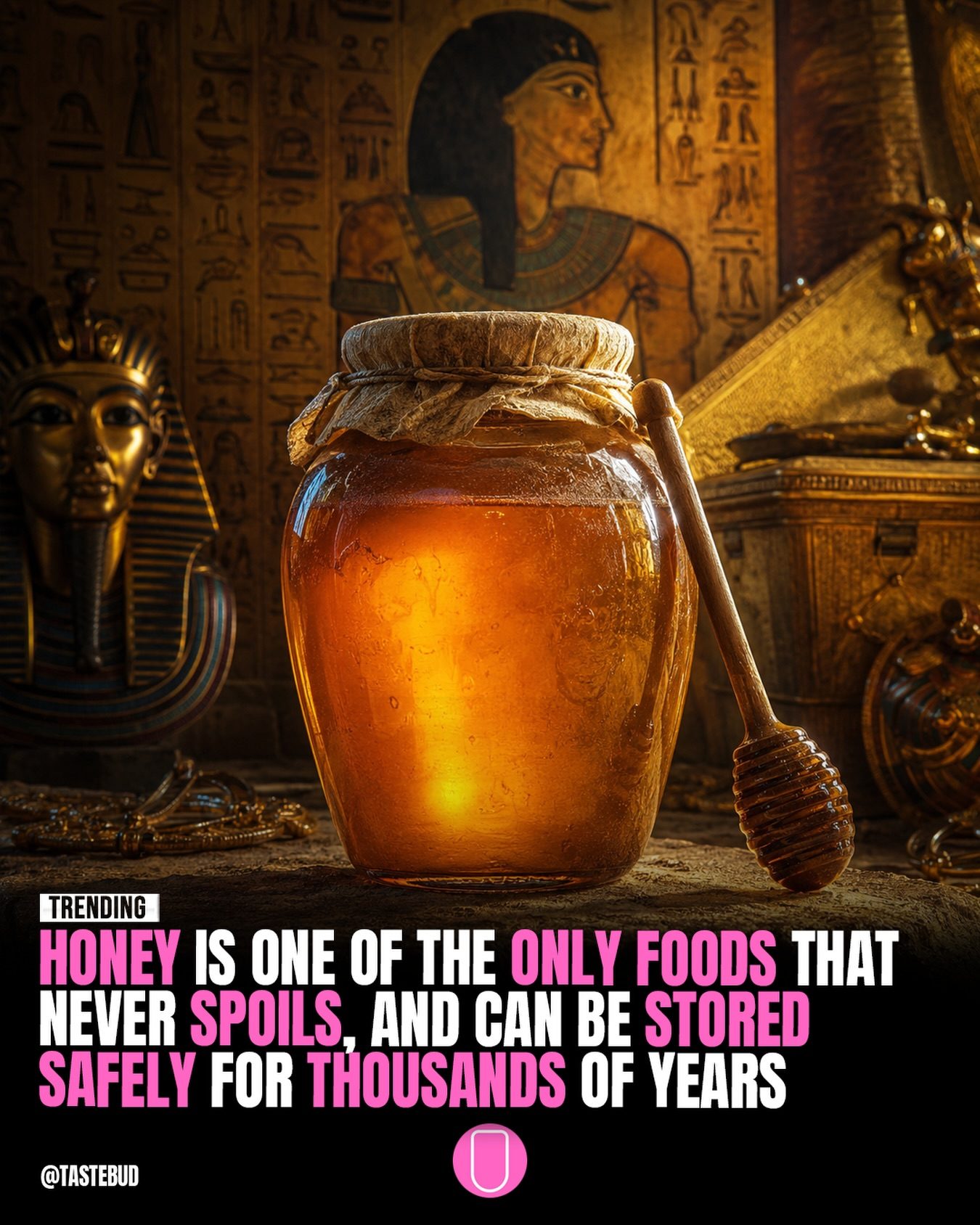
Honey: Nature's Perfect Preservative
Honey is one of the most remarkable foods of the natural world, known for its unique properties that allow it to remain edible for thousands of years. Its low water content, natural acidity, and antibacterial properties make it nearly impossible for bacteria to survive, ensuring longevity that is unmatched by most other foods.
Why This Matters
The preservation qualities of honey are not just a curiosity; they highlight nature's efficiency in creating a food that lasts. This characteristic makes honey an excellent choice for long-term storage, emergency food supplies, and even historical studies. Understanding why honey can be stored safely for thousands of years can provide insights into food preservation techniques and the remarkable properties of natural substances.
The Science Behind Honey's Preservation
Low Water Content
One of the key factors contributing to honey's longevity is its low water content. Fresh honey typically contains less than 18% water. This low moisture level creates an environment that is inhospitable to bacteria and other microorganisms, which need moisture to grow and thrive.
Natural Acidity
Honey is naturally acidic, with a pH level typically ranging from 3.2 to 4.5. This acidity creates an inhospitable environment for bacteria, which generally prefer neutral or slightly alkaline conditions. The low pH level also helps to inhibit the growth of mold and other fungi.
Antibacterial Properties
Honey contains various compounds, such as hydrogen peroxide and methylglyoxal, which have strong antibacterial properties. These compounds work together to create an environment that is hostile to bacteria, further ensuring the preservation of honey over long periods.
Historical Evidence
Archaeologists have discovered jars of honey in ancient Egyptian tombs that remained preserved for thousands of years. This historical evidence underscores the remarkable preservation properties of honey, showcasing that nature figured out food preservation long before humans did. The jars found in these tombs are a testament to honey's durability and resilience.
Practical Tips for Preserving Honey
While honey is naturally well-equipped to preserve itself, there are a few tips to ensure it stays fresh and safe to eat.
Seal It Properly
Always ensure your honey is sealed in an airtight container. This prevents any moisture from entering and maintains the low water content that is crucial for preservation. A well-sealed jar will keep honey fresh for an extended period.
Store in a Cool, Dark Place
Light and heat can degrade the quality of honey over time. Store your honey in a cool, dark place, away from direct sunlight and heat sources. This will help maintain its flavor and texture.
Avoid Contamination
Avoid introducing any contaminants into the honey. Use clean utensils when scooping out honey, and do not double-dip. Contamination can introduce bacteria and moisture, compromising the honey's natural preservation properties.
Important Takeaways
Honey's unique properties make it one of the most durable and long-lasting foods. Its low water content, natural acidity, and antibacterial properties create an environment that is hostile to bacteria and other microorganisms. This natural preservation ability has been scientifically proven and historically validated, making honey a remarkable natural food.
Conclusion
The remarkable preservation capabilities of honey are a testament to nature's ingenuity. By understanding the science behind honey's longevity, we can appreciate the natural processes that make it a unique and enduring food. From its low water content to its antibacterial properties, honey offers insights into food preservation that can be applied in various practical ways.
Watch the Reel
Questions readers ask
How does the natural acidity of honey contribute to its longevity?
The natural acidity of honey, typically around a pH of 3.2 to 4.5, creates an environment that is inhospitable to most bacteria. This acidity, combined with its low water content, prevents the growth of microorganisms, ensuring that honey remains safe and edible for extended periods.
What is the significance of honey's low water content in its preservation?
Honey's low water content, usually around 17-18%, is crucial for its longevity. This minimal water content inhibits the growth of microbes, which typically require moisture to thrive. As a result, honey can last for thousands of years without spoiling, making it one of the longest-lasting natural foods.
Can honey from ancient times, like Egyptian honey, still be consumed today?
Yes, ancient honey, such as samples found in Egyptian tombs, can still be consumed today. Due to its remarkable preservative qualities, honey from thousands of years ago has been found to be safe for consumption. Archaeologists have even reported that ancient honey can still taste sweet.
What role do antibacterial compounds play in honey's preservation?
Honey contains natural antibacterial compounds, including an enzyme that produces hydrogen peroxide, which acts as a mild antiseptic. These compounds help to inhibit the growth of bacteria and other microorganisms, contributing to honey's exceptional shelf life and making it an effective natural preservative.
Why is honey considered an excellent choice for long-term food storage?
Honey's unique properties, such as its low water content, natural acidity, and antibacterial compounds, make it ideal for long-term storage. These characteristics ensure that honey can be stored safely for extended periods without refrigeration, making it a reliable option for emergency food supplies and historical preservation.
How does understanding honey's preservation qualities benefit modern food storage techniques?
By studying honey's natural preservation qualities, we can gain insights into effective food storage techniques. The combination of low water content, acidity, and antibacterial properties in honey provides a model for developing new methods to extend the shelf life of various foods, benefiting both consumers and the food industry.
What makes honey an ideal choice for historical preservation studies?
Honey's longevity and resistance to degradation make it invaluable for historical preservation studies. Samples of honey found in ancient artifacts, such as those from Egyptian tombs, can provide insights into the dietary and cultural practices of past civilizations. The fact that this honey remains edible thousands of years later underscores its exceptional preservative qualities.
Related deep dives
Similar reads based on topic and creator.




Recent articles
Fresh deep dives from the latest Reels we unpacked.




Comments
Be the first to comment.