Honeybee Venom and Breats Cancer
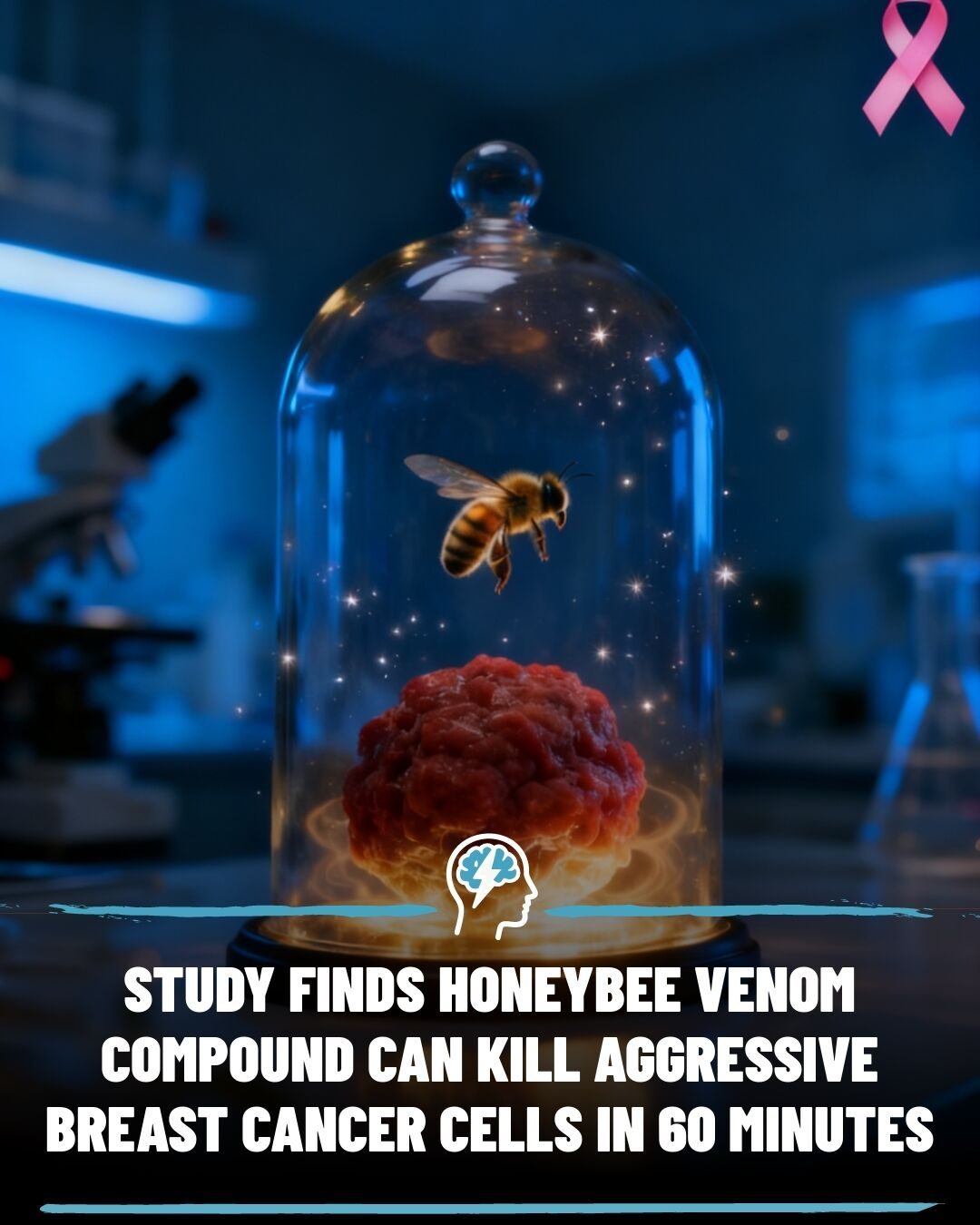
Honeybee venom has emerged as a fascinating subject in cancer research, particularly in the context of aggressive breast cancer. The venom contains a compound known as melittin, which has shown remarkable potential in laboratory studies and animal models. This compound rapidly destroys certain types of breast cancer cells while causing minimal damage to healthy cells. The study published in 2020 in the journal npj Precision Oncology highlights the effectiveness of melittin. This groundbreaking research opens up new avenues for targeted therapies that could potentially revolutionize cancer treatment.
Context / Why this matters
The study on honeybee venom and breast cancer is significant for several reasons. Triple-negative and HER2-enriched breast cancer cells, which are notoriously aggressive and difficult to treat, are the focus of this research. These subtypes lack the receptors that many targeted therapies rely on, making them particularly challenging to combat. Finding compounds that can selectively target and destroy these cells represents a meaningful step forward in cancer treatment. Nature, once again, provides a rich source of inspiration for medical science, hinting at new pathways for developing effective therapies.
Main discussion
The Power of Melittin
Melittin is the main active component of honeybee venom, and it works by punching tiny holes in cancer cell membranes, causing them to break down. This process is incredibly efficient, with significant effects observed within just 20 minutes. Additionally, melittin disrupts the chemical signals that cancer cells need to grow and divide, further impeding their ability to proliferate. In laboratory settings, melittin has shown the ability to destroy triple-negative and HER2-enriched breast cancer cells within 60 minutes, making it a promising candidate for further investigation.
Combining with Chemotherapy
The potential of melittin is not limited to its standalone effects. When combined with chemotherapy drugs like docetaxel, melittin significantly enhances tumor reduction in mouse models. This synergistic effect suggests that melittin could be used in conjunction with existing treatments to improve their effectiveness. The ability of melittin to selectively target cancer cells while sparing healthy tissue makes it an attractive option for combination therapies, where minimizing side effects is a critical concern.
Nature's Toolbox
Nature has long been a source of inspiration for medical science. Many treatments we use today, such as aspirin derived from willow bark and antibiotics inspired by soil bacteria, began with observations from the natural world. Honeybee venom adds another intriguing chapter to this story. The compound melittin offers a unique mechanism of action that could lead to the development of new, targeted therapies inspired by nature's defenses.
Melittin's Mechanism of Action
Melittin's effectiveness lies in its ability to quickly and selectively target cancer cells. Within 20 minutes, it disrupts the membranes of cancer cells, causing them to break down. This rapid action is complemented by its ability to interfere with the chemical signals that cancer cells need to grow and divide. By combining these two mechanisms, melittin not only destroys existing cancer cells but also prevents new ones from forming, making it a powerful tool in the fight against aggressive breast cancer.
Practical tips
When exploring the potential of honeybee venom in cancer treatment, it's important to consider the following tips:
- Research Continuation: While the initial findings are promising, continued research is essential. Further studies are needed to understand the long-term effects and potential side effects of melittin-based treatments. Clinical trials involving human participants will provide crucial insights into the safety and efficacy of these treatments.
- Combination Therapies: Considering the synergistic effects observed in mouse models, exploring combination therapies that include melittin and existing chemotherapy drugs could yield significant benefits. These combinations might enhance treatment effectiveness while minimizing side effects.
- Targeted Therapies: Developing targeted therapies inspired by melittin’s mechanism of action holds great promise. Scientists should focus on identifying other natural compounds with similar properties and exploring their potential in cancer treatment.
- Public Awareness: Raising public awareness about the potential benefits of natural compounds in cancer treatment can foster support for further research and development. This awareness can also encourage funding and investment in innovative treatments.
Important takeaways
The study on honeybee venom and breast cancer highlights several critical points:
- Rapid Action: Melittin's ability to destroy cancer cells within a short timeframe is a significant advantage in cancer treatment. Rapidly affecting cancer cell membranes and growth signals is crucial for effective cancer therapy.
- Selectivity: Melittin's minimal impact on healthy cells and its targeted attack on cancer cells make it a promising candidate for developing therapies with fewer side effects. This selectivity is essential for improving the quality of life for cancer patients.
- Synergistic Effects: The combination of melittin with chemotherapy drugs like docetaxel shows enhanced tumor reduction, suggesting that natural compounds can complement existing treatments.
- Future Potential: The research opens up exciting possibilities for developing new, targeted therapies inspired by melittin. Further investigation into natural compounds with similar properties could lead to innovative cancer treatments.
Conclusion
Honeybee venom and its main active component, melittin, offer a compelling path forward in the fight against aggressive breast cancer. The rapid and selective destruction of cancer cells, combined with minimal damage to healthy tissue, makes melittin a promising candidate for future therapies. While the study provides a promising direction, it is essential to continue research to fully understand the potential of melittin and its applications in cancer treatment. The journey from natural compounds to effective medical treatments is complex, but the findings from this research are a significant step forward in harnessing nature's defenses against cancer.
Watch the Reel
Questions readers ask
What is melittin and how does it relate to breast cancer research?
Melittin is a compound found in honeybee venom. It has gained attention in breast cancer research due to its ability to selectively target and destroy aggressive breast cancer cells, particularly those that are difficult to treat, such as triple-negative and HER2-enriched subtypes. Studies have shown that melittin can kill these cells while leaving healthy cells largely unharmed, making it a promising area of study for targeted cancer therapies.
How does melittin compare to traditional breast cancer treatments?
Traditional breast cancer treatments often involve chemotherapy, radiation, or targeted therapies that can have significant side effects due to damage to healthy cells. Melittin, on the other hand, shows potential in selectively destroying cancer cells with minimal impact on healthy tissue. This precision could lead to more effective and less harmful treatments, particularly for aggressive subtypes of breast cancer.
What types of breast cancer might benefit most from melittin treatment?
The most promising results from melittin research have been seen in aggressive and difficult-to-treat subtypes of breast cancer, such as triple-negative and HER2-enriched breast cancers. These types of cancer often do not respond well to conventional therapies, making the targeted approach of melittin particularly significant.
What stage of research is melittin currently in for breast cancer treatment?
As of the latest findings published in 2020, melittin has shown promise in laboratory studies and animal models. While these results are encouraging, it is important to note that human clinical trials are necessary to determine the efficacy and safety of melittin as a cancer treatment. Researchers are hopeful that this compound could lead to new and effective treatment options in the future.
How does melittin work to target cancer cells?
Melittin works by rapidly destroying certain types of breast cancer cells. It interacts with the cell membranes of cancer cells, causing them to break down and die. This targeted approach allows melittin to selectively eliminate cancer cells while minimizing damage to healthy cells, which is a key advantage in cancer treatment.
What are the potential benefits of using a natural compound like melittin in cancer treatment?
Using a natural compound like melittin in cancer treatment offers several potential benefits. These include reduced side effects compared to traditional therapies, targeted action against cancer cells, and the possibility of developing new and more effective treatments. Additionally, natural compounds often have unique mechanisms of action that can complement or enhance existing treatments.
Are there any ongoing studies or clinical trials using melittin for breast cancer treatment?
While the 2020 study highlighted the potential of melittin, specific ongoing clinical trials or studies may not be widely publicized. To stay informed, it is recommended to follow updates from research institutions, medical journals, and cancer research organizations. These sources can provide the most current information on the progress and availability of clinical trials involving melittin.
Related deep dives
Similar reads based on topic and creator.


Recent articles
Fresh deep dives from the latest Reels we unpacked.




Comments
Be the first to comment.