The Hoba Meteorite: A 60-Ton Relic from the Sky
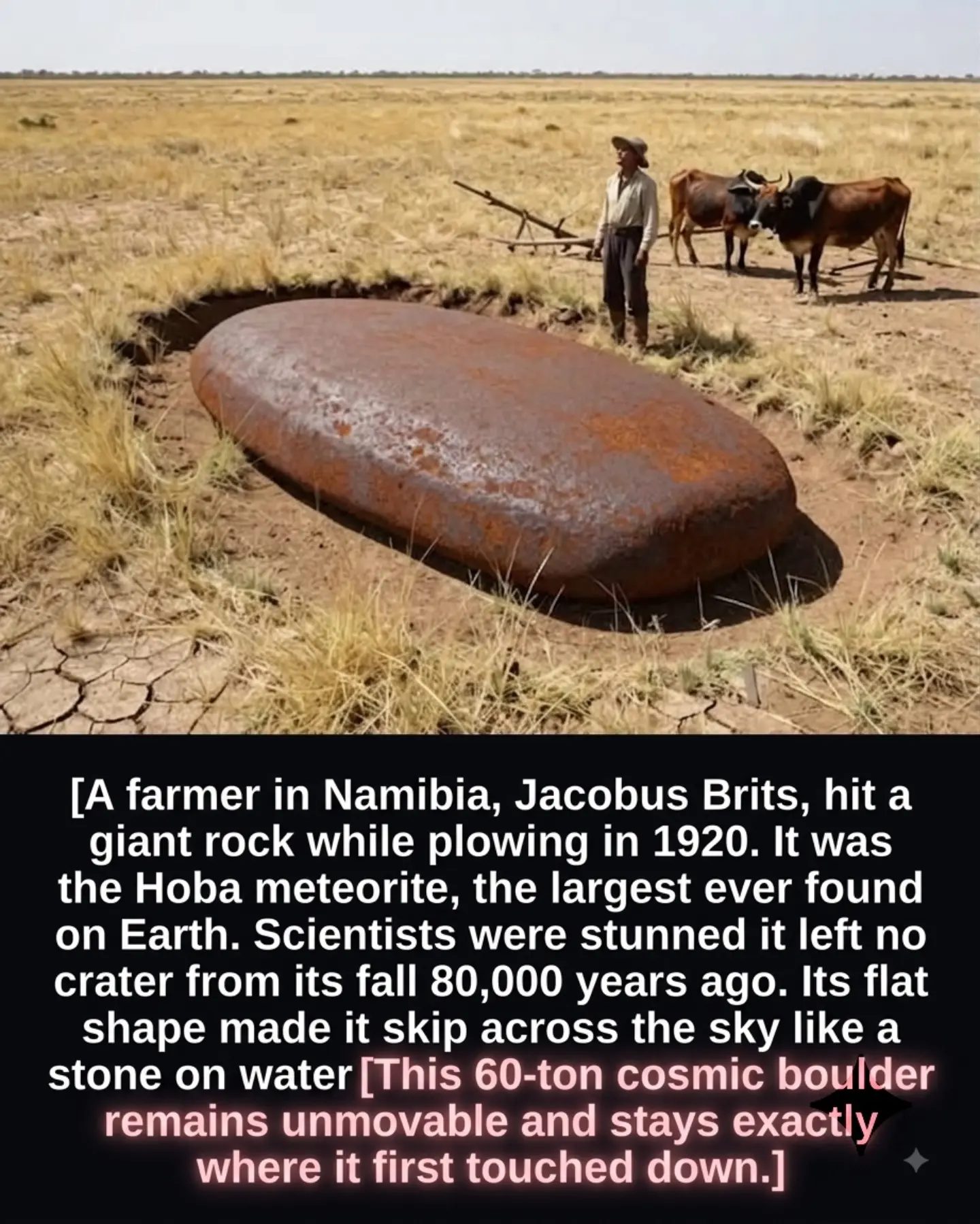
The Hoba Meteorite, a 60-ton iron mass. This meteorite is the largest intact piece of extraterrestrial material ever discovered on Earth. The story of the Hoba Meteorite begins in Namibia around 80,000 years ago.
Why This Matters
The Hoba Meteorite is more than just a large rock; it's a testament to the mysterious and powerful forces of the universe. Understanding its unique properties and the circumstances surrounding its discovery offers valuable insights into the nature of meteorites and their interactions with Earth.
The Discovery and Unique Characteristics
A Farmer's Unexpected Find
The meteorite's journey to scientific recognition began in 1920. Farmer Jacobus Brits was plowing his field in Grootfontein, Namibia, when his equipment struck something unusually hard. Little did he know, he had stumbled upon one of the most remarkable celestial objects ever found on Earth. The Hoba Meteorite, named after the farm on which it was discovered, would soon captivate scientists and space enthusiasts alike.
No Crater, Just a Sky Skipper
One of the most astonishing aspects of the Hoba Meteorite is that it didn't create a crater upon impact. This phenomenon can be attributed to its unique shape and composition. The meteorite is flat and disc-shaped, which allowed it to "skip" across the Earth's atmosphere like a stone on water. This aerodynamic behavior slowed it down significantly, preventing the catastrophic impact and crater formation typically associated with large meteorites.
Composition and Unmovable Mass
The Hoba Meteorite is primarily composed of iron and nickel, with approximately 84% iron and 16% nickel. This metallic composition makes it exceptionally dense and heavy. Weighing around 60 tons, it is too massive to be moved safely with any known technology. Consequently, the site around the meteorite has been built and preserved exactly where it first touched down, offering visitors a chance to see this cosmic giant in its original resting place.
The Science Behind the Hoba Meteorite
Atmospheric Entry and Slowdown
The flat shape of the Hoba Meteorite played a crucial role in its gentle landing. As it entered the Earth's atmosphere, its aerodynamic shape caused it to decelerate rapidly. This unique entry path allowed it to avoid the destructive forces that typically accompany high-speed impacts, resulting in a relatively gentle touchdown.
Geological and Mineralogical Significance
The Hoba Meteorite's composition provides valuable insights into the mineralogical makeup of extraterrestrial objects. The high iron content and the stability of its structure over tens of thousands of years make it a subject of ongoing scientific study. Researchers continue to analyze the meteorite to better understand the formation and composition of celestial bodies in our solar system.
Practical Tips
Planning a Visit
For those eager to witness this cosmic marvel, the Hoba Meteorite is accessible to the public. The site is located in Grootfontein, Namibia, and has been converted into a visitor center. This allows tourists to approach the meteorite safely and learn more about its history and scientific significance. The center offers guided tours and educational materials, making it an enriching experience for visitors of all ages.
Understanding Meteorite Safety
While the Hoba Meteorite is a fascinating attraction, it's essential to approach it with caution. It is situated in the open air, but fences and barriers ensure safe viewing distances. Always follow the guidelines provided by the visitor center to ensure a safe and enjoyable experience.
Important Takeaways
The Hoba Meteorite stands as a monumental reminder of the universe's vast and wondrous nature. Its unique properties and the circumstances surrounding its discovery offer valuable insights into meteorite behavior and Earth's interaction with celestial bodies. Whether you're a space enthusiast or a casual visitor, the Hoba Meteorite is a must-see for anyone interested in the mysteries of the cosmos.
Conclusion
The Hoba Meteorite's story is one of scientific curiosity and awe-inspiring discovery. From its remarkable entry into Earth's atmosphere to its current status as a protected and treasured site, this 60-ton cosmic giant continues to captivate and inspire. Its unique characteristics and historical significance make it a cornerstone of our understanding of meteorites and their impact on our planet.
Watch the Reel
Questions readers ask
How was the Hoba Meteorite discovered?
The Hoba Meteorite was discovered in 1920 by a farmer named Jacobus Brits. While plowing his field in Grootfontein, Namibia, Brits encountered the massive iron object that had been lying in the ground for thousands of years. Due to its immense size and unusual properties, it was soon recognized as a meteorite.
Why doesn't the Hoba Meteorite have a crater?
Unlike typical meteorite impacts, the Hoba Meteorite did not create a crater upon landing. Its flat shape and unique trajectory allowed it to skip across the Earth's atmosphere, eventually coming to rest on the ground with minimal disruption. This is a rare occurrence among meteorite landings.
What makes the Hoba Meteorite unique?
The Hoba Meteorite is unique for several reasons. It is the largest intact meteorite ever found, weighing 60 tons. Its flat shape and lack of a crater set it apart from other meteorites. Additionally, it is one of the most well-preserved meteorites, offering scientists a rare opportunity to study extraterrestrial material.
Where is the Hoba Meteorite located?
The Hoba Meteorite is located in Namibia, a country in southern Africa. It rests in a field in Grootfontein, close to where it was originally discovered by Jacobus Brits. Today, it is a popular tourist attraction and a significant landmark in the region.
How old is the Hoba Meteorite?
The Hoba Meteorite was estimated to have landed on Earth around 80,000 years ago, according to scientific analyses. This age estimate makes it one of the oldest known meteorites found on Earth, providing valuable insights into the early solar system.
Can visitors see the Hoba Meteorite?
Yes, the Hoba Meteorite is open to the public. It is located on private land, and visitors can access it through a designated viewing area. The meteorite is a protected site, and visitors are encouraged to respect the land and the historic artifact.
What can we learn from the Hoba Meteorite?
The Hoba Meteorite offers a unique opportunity to study the composition and structure of extraterrestrial materials. Its unique landing characteristics and well-preserved state provide insights into the dynamics of meteorite entry into the Earth's atmosphere and the potential impact of such events on the planet's surface.
Related deep dives
Similar reads based on topic and creator.




Recent articles
Fresh deep dives from the latest Reels we unpacked.

Comments
Be the first to comment.